failed medical exams block israeli footballer’s move to inter milan

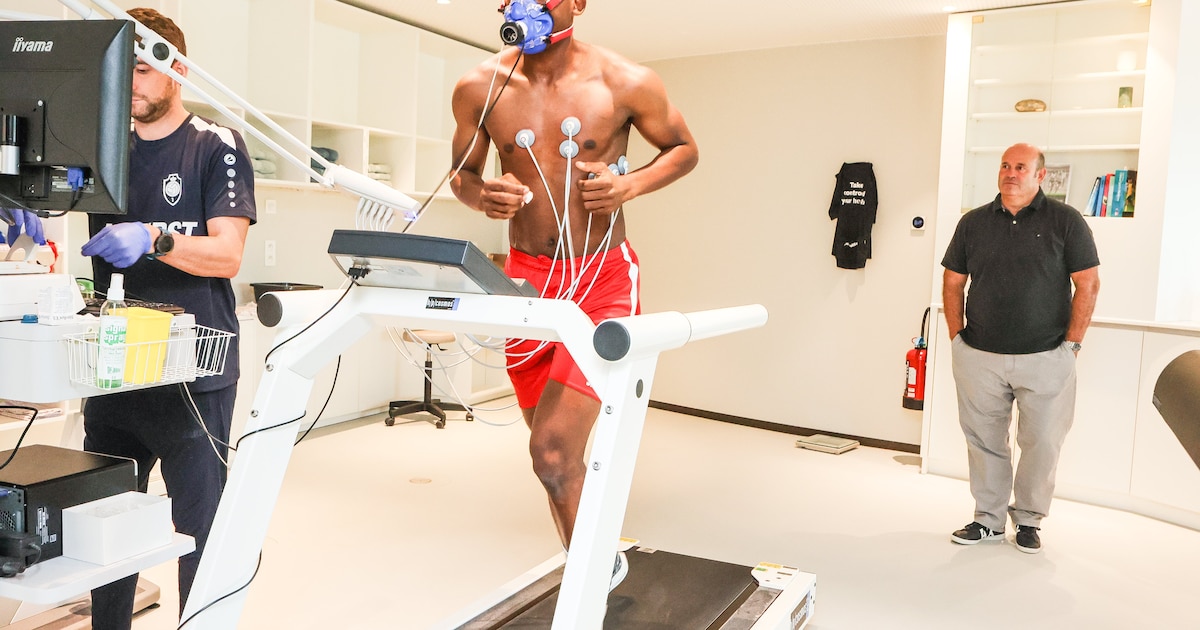
Israeli midfielder Anan Khalaili’s anticipated transfer to Inter Milan collapsed after he failed additional cardiac examinations in Milan. Following initial medical checks over the weekend, Khalaili underwent further tests at Humanitas Hospital in Rozzano on Monday—but came up short. While specific results remain confidential, the stricter Italian protocols around cardiac evaluations likely played a decisive role. These stringent rules may even open doors for the player to pursue opportunities elsewhere in Europe.
Professional athletes in Italy undergo rigorous medical evaluations at accredited sports medicine centers. When initial screenings raise concerns, specialists—particularly cardiologists—conduct deeper analyses. The final clearance doesn’t rest with clubs or players but with an independent body, leaving no room for compromise.
no exceptions in player safety
Medical protocols in Italian football leave no gray areas: a player is either cleared or not, with no alternative pathways. This absolute stance stems from a 1982 law requiring the Health Ministry to designate centers for high-performance athletes. A 1995 decree later introduced stricter cardiac assessments, including stress tests and echocardiograms.
Paolo Zeppilli, former sports medicine professor and cardiologist for the Italian Football Federation, emphasizes the ethical foundation of these rules. “The strictness can be debated, but for us, it’s a moral obligation. We cannot risk an athlete’s life on the field. Other leagues should adopt similar safeguards.”
cardiac rules reshape careers
Two high-profile cases illustrate the impact of Italy’s cardiac policies. Edoardo Bove, an Italian midfielder, and Danish star Christian Eriksen both suffered cardiac arrests during matches. Neither was cleared to resume play in Serie A, though Eriksen later rebuilt his career in England under different regulations. Tragically, Eriksen experienced another cardiac episode in June while playing for Denmark.