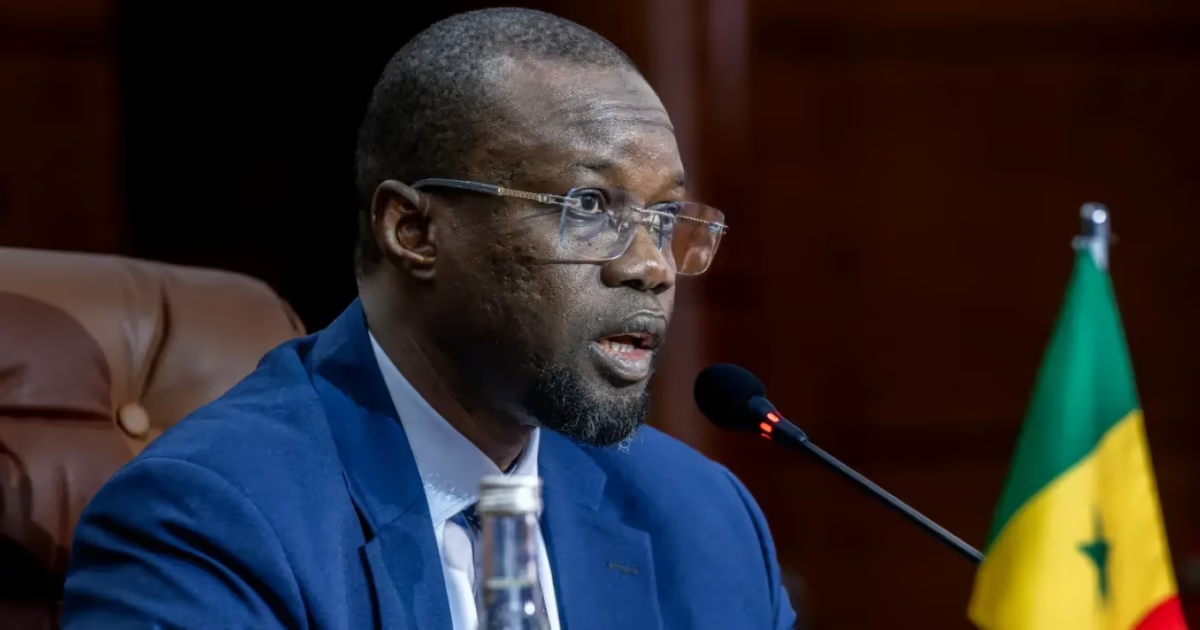
The African football landscape has been called out for its structural weaknesses after the early eliminations of several national teams from the 2026 World Cup. In a recent interview with Al Jazeera English, Ousmane Sonko, President of the National Assembly and leader of Pastef/Les Patriotes, shed light on the continent’s struggles in governance, administration, and discipline.
Key Takeaways
The main lesson from this World Cup edition is that the African football landscape still grapples with fundamental issues. According to Ousmane Sonko, these shortcomings are rooted in poor management, inadequate team organization, and a lack of discipline, which have contributed to several teams’ disappointing performances.
Despite increased participation by African nations, Sonko argued that this growth does not represent a ‘gift’ for the continent but rather a logical consequence of the expanded tournament format decided upon by FIFA. He also touched on the controversy surrounding this year’s World Cup, suggesting that the governing body had displayed some complacency in certain areas.
Africa’s Path Forward
For Sonko, the primary lesson from this World Cup is that Africa needs to undergo a fundamental overhaul. The President of Pastef/Les Patriotes called for an urgent re-examination of governance structures and team management practices, emphasizing that these issues are at the heart of the continent’s struggles.