
Dakar and the International Monetary Fund (IMF) have finalized a landmark financial agreement worth $2.2 billion, unlocking critical funds for Senegal’s economic recovery. The deal, approved after intensive negotiations, requires the West African nation to restructure its debt obligations to ensure long-term fiscal sustainability.
Key terms of the IMF agreement
The arrangement comes with strict fiscal conditions aimed at stabilizing Senegal’s public finances. Among the core requirements:
- Debt restructuring: The government must renegotiate terms with creditors to reduce interest burdens and extend repayment timelines.
- Fiscal discipline: New policies will limit public spending growth, particularly in non-essential sectors.
- Revenue enhancement: Measures will be implemented to broaden the tax base and improve collection efficiency.
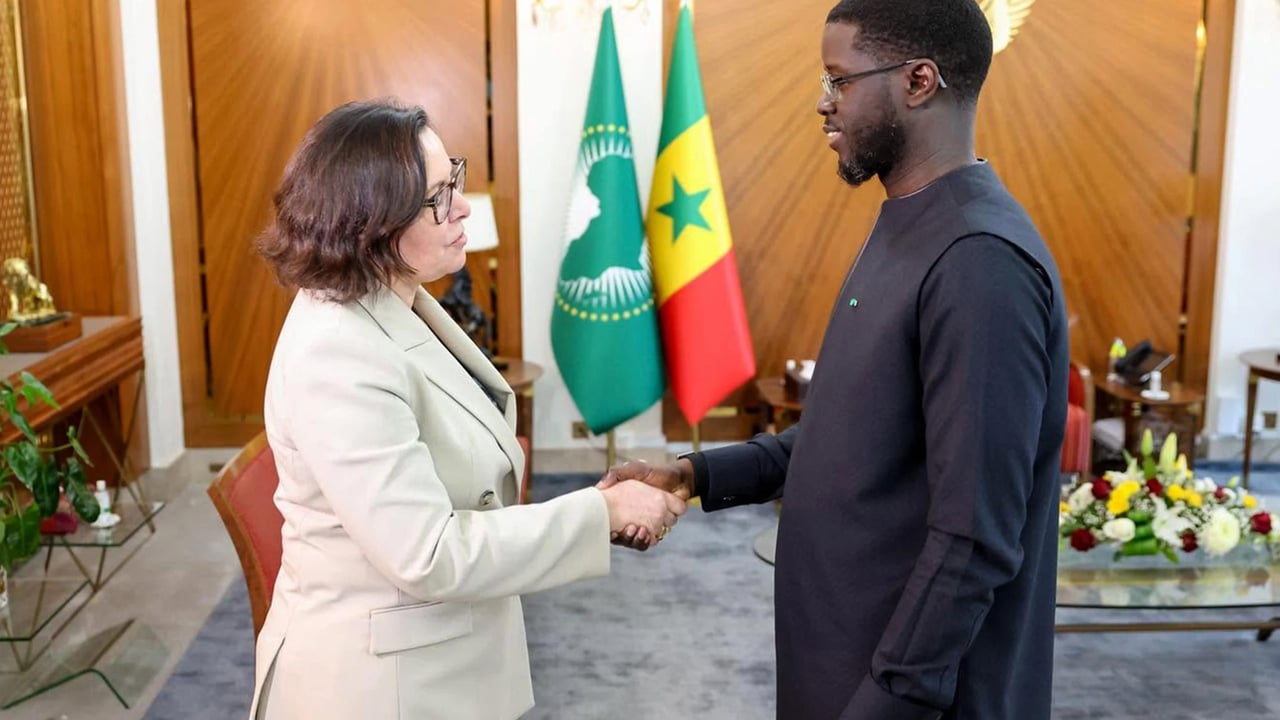
These conditions are designed to restore investor confidence and pave the way for sustainable economic growth. The IMF’s endorsement signals confidence in Senegal’s reform agenda under President Bassirou Diomaye Faye’s administration.
Senegal’s path to financial stability
The $2.2 billion infusion will support key sectors, including infrastructure, healthcare, and education. Funds will also help cover budget shortfalls caused by declining revenue streams and rising public debt. This agreement marks a pivotal moment for Senegal as it navigates post-pandemic challenges and global economic uncertainties.
The restructuring of hidden debt—previously undisclosed obligations—has been a major focus. By addressing these liabilities transparently, the government aims to restore fiscal transparency and rebuild trust with international partners. The IMF’s approval hinges on Dakar’s commitment to full disclosure and adherence to reform commitments.
Implications for Senegal’s economy
Economic analysts view the IMF deal as a turning point. The injection of fresh capital combined with structural reforms is expected to:
- Stabilize the national currency and control inflation.
- Attract foreign investment by demonstrating fiscal responsibility.
- Accelerate progress toward the United Nations Sustainable Development Goals.
While the road ahead remains challenging, the IMF’s backing provides a much-needed lifeline. The success of this program will depend on consistent policy execution and transparent governance.
Next steps for Dakar
The government has outlined a clear timeline for implementing reforms. Within the first 12 months, key milestones include:
- Finalizing debt restructuring agreements with all major creditors.
- Launching a national tax reform initiative to increase compliance.
- Publishing quarterly reports on fiscal performance and reform progress.
Public engagement and stakeholder collaboration will be crucial in ensuring the reforms gain broad support.