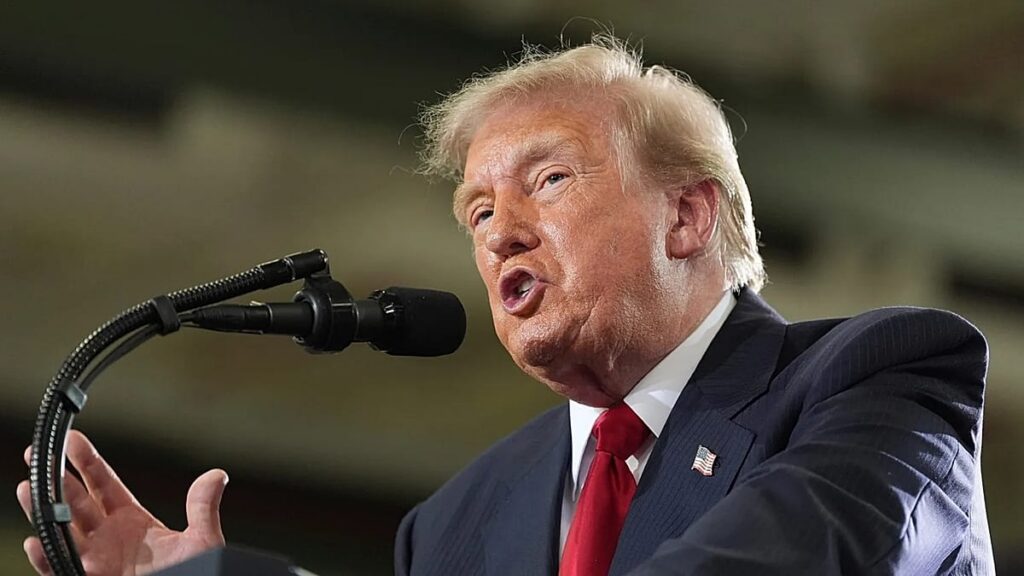
Trump reaffirms U.S. backing for Morocco’s Sahara sovereignty
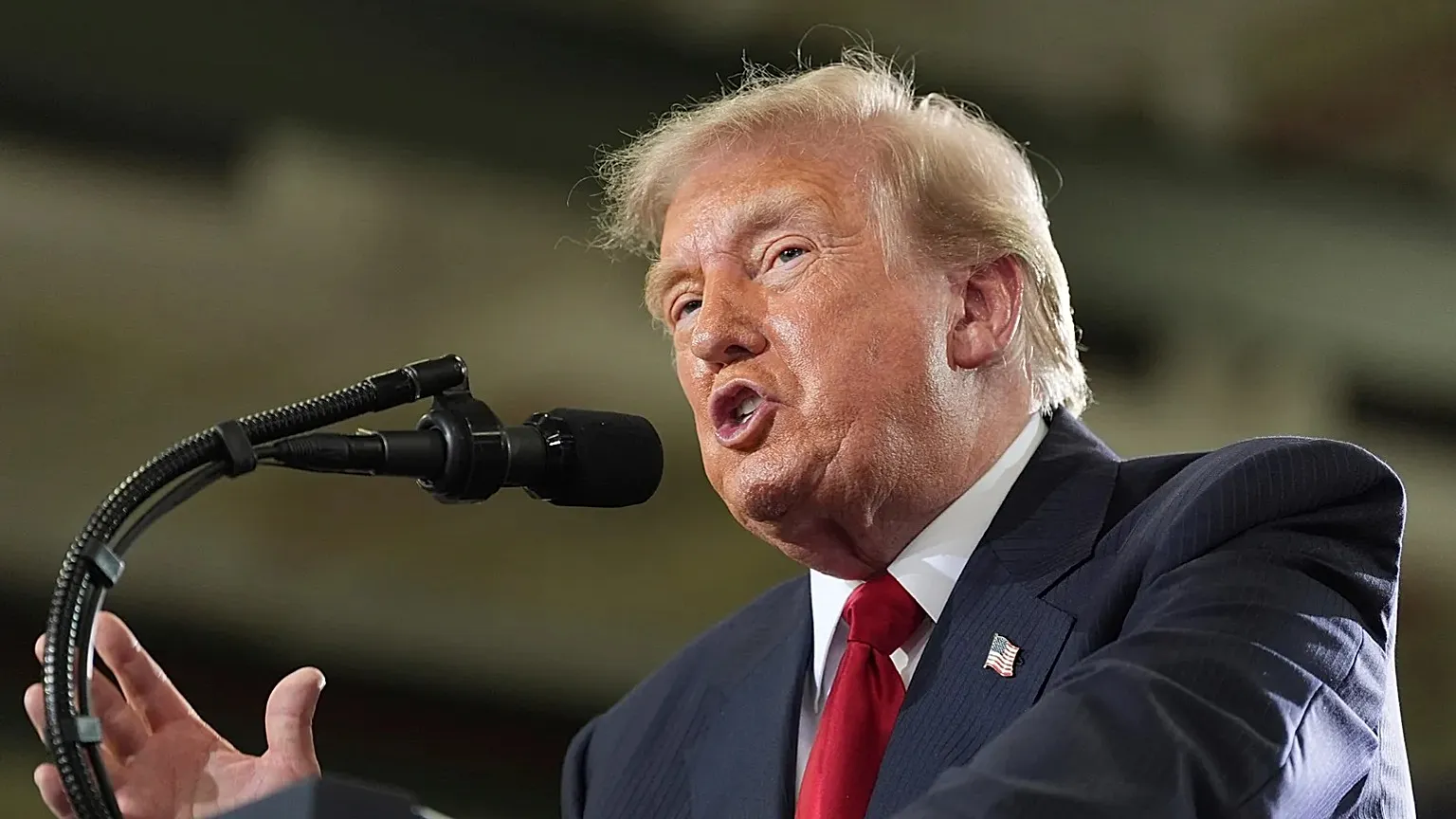
In a letter to King Mohammed VI, Donald Trump reaffirmed U.S. recognition of Morocco’s sovereignty over Western Sahara and full support for Rabat’s autonomy plan.
In a direct communication to King Mohammed VI, President Donald Trump has reasserted Washington’s unwavering stance: the United States continues to recognize Morocco’s sovereignty over Western Sahara and backs the autonomy initiative proposed by Rabat. Trump described the plan as “the only credible, realistic, and viable solution capable of bringing lasting peace to the region”.
The U.S. leader emphasized that maintaining the status quo would be “unacceptable”, arguing that a resolution would “unlock economic growth and deepen regional integration across Africa”. He vowed to accelerate diplomatic efforts to achieve a swift resolution to the decades-long conflict.
Diplomatic ties between Morocco and the U.S. were solidified in December 2020, when Trump—toward the end of his first term—formally recognized Moroccan sovereignty over Western Sahara. This decision was part of a broader agreement facilitating Morocco’s normalization of relations with Israel, enabling Rabat to join the Abraham Accords.
Beyond the diplomatic milestone, the White House praised Morocco’s pivotal role in regional security, framing the North African kingdom as a key ally in the fight against terrorism and global security threats. Trump also commended what he called King Mohammed VI’s “visionary leadership” in advancing regional stability, noting Rabat’s commitment to combating extremism and ensuring the safety of both Americans and Moroccans as evidence of the strategic partnership’s strength.
As part of this renewed engagement, the U.S. president announced plans to expand joint security cooperation between Washington and Rabat across North-West Africa, with a focus on bolstering stability in the Sahel region.
Roots of the conflict
Western Sahara, a resource-rich territory abundant in phosphate deposits and marine wealth, remains one of North Africa’s most persistent diplomatic flashpoints. At its core lies a longstanding dispute between Morocco and Algeria, with Algiers openly supporting the Polisario Front, which seeks independence for the former Spanish colony.
Morocco’s proposal centers on a high-degree autonomy plan, granting the territory significant self-governance while preserving its sovereignty under Rabat’s authority. In contrast, the Polisario Front advocates for a referendum on self-determination, enabling the local population to determine their political future.
The conflict traces its origins to 1975, when Spain ended its 90-year administration of the territory, then known as “Spanish Sahara”. Following Madrid’s withdrawal, hostilities erupted between Morocco and the Polisario Front, culminating in a 1991 ceasefire brokered by the United Nations.
Rabat maintains that Western Sahara is an integral part of its national territory, citing centuries-old tribal allegiances to the Alaouite monarchy. Algeria, however, backs the Polisario Front, which declared the “Sahrawi Arab Democratic Republic” in 1976 and insists that resolving the conflict requires full decolonization and a self-determination referendum.
Last year, coinciding with the 50th anniversary of the Green March—where 350,000 Moroccan civilians marched into Spanish-administered Western Sahara— the UN Security Council adopted a resolution declaring Morocco’s autonomy plan “the most serious and realistic approach” to ending the conflict.
Adopted unanimously on October 31 with 11 votes in favor, the resolution urges all parties to resume negotiations based on Morocco’s 2007 autonomy proposal at the UN. It underscores the plan’s potential to serve as the “most viable framework” for future talks aimed at resolving a conflict nearing half a century.
On that occasion, King Mohammed VI declared Morocco was entering “a decisive chapter in its modern history”, adding: “The era of a unified Morocco has arrived.”
You may also like
Benin’s rating leap to AA-: the moment regional capital started taking Cotonou seriously
Brigitte Tchede’s Cairo surge: Benin’s discus medal breakthrough that changes everything
Burkina Faso’s armored vehicles: the moment of truth arrives on the battlefield
Togo presses pause on press freedom as a reporter’s sidelining marks a decisive shift
Benin-Rwanda breakthrough: Wadagni’s Kigali mission redefines strategic partnership