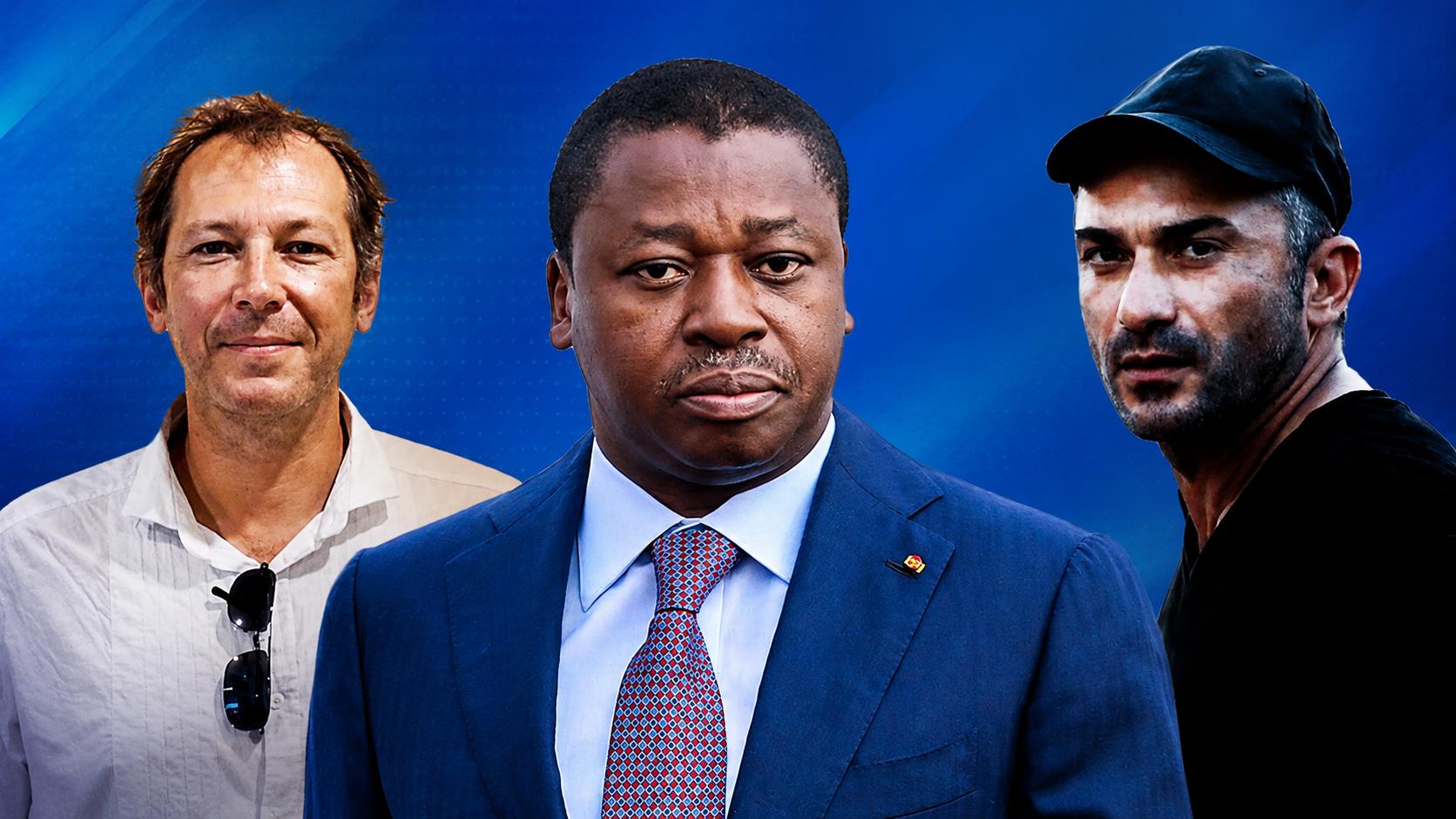
The arrest and subsequent formal incarceration of two French filmmakers and journalists in Togo in mid-August 2026 marks a significant escalation in the security and diplomatic tensions surrounding the Lomé regime. This incident highlights growing concerns about media freedom in the region.
Sébastien Perez Pezzani and Gaël Mocaër, who were detained in the northern part of the country while producing a documentary, have been formally charged and placed under a detention warrant. The circumstances surrounding their arrest suggest this situation extends far beyond a mere administrative infraction, taking on a distinctly political dimension.
The administrative pretext for a security lockdown
Togolese authorities have justified the detention of these two media professionals by citing non-compliance with accreditation procedures and a breach of visa conditions:
- A highly monitored zone: Northern Togo, a region frequently affected by incursions from armed groups originating in the Sahel, operates under a state of security emergency. Here, authorities enforce stringent control over information and prohibit any unsupervised reporting.
- The Thomas Dietrich precedent: This approach echoes the arrest and swift expulsion of French journalist Thomas Dietrich in April 2024. It underscores Lomé’s almost paranoid distrust of the foreign press, which is often perceived as a destabilizing influence.
Is Ferdinand Ayité a diplomatic bargaining chip?
Beyond the strict application of legal procedures, many observers and independent media outlets interpret these arrests as a strategic pressure tactic employed by Lomé against Paris:
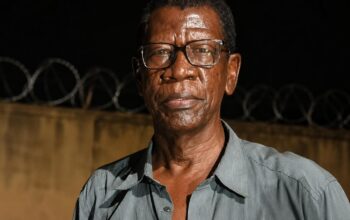
- Pursuing exiled opponents: The regime of Faure Gnassingbé appears to be leveraging the detention of the two French nationals to extract concessions from French diplomacy. This notably concerns Togolese investigative journalist Ferdinand Ayité, who is currently seeking refuge in France and remains a consistent target of the government.
- A diplomacy of media hostages: By keeping these filmmakers behind bars, Lomé seems intent on reversing the power dynamic with France, even at the risk of further damaging its international reputation.
Foreign press freedom stifled in Togo
By targeting international journalists after systematically suppressing independent local media, the Vᵉ Republic’s regime reaffirms its determination to control the national narrative. While various chancelleries are actively working behind the scenes to secure the release and repatriation of the two filmmakers, this incident casts a harsh light on the methods of a government seemingly prepared to use deprivation of liberty as a form of political leverage. This ongoing situation contributes to the broader narrative of West Africa Sahel politics today, where media freedom faces significant challenges.