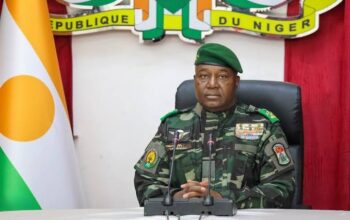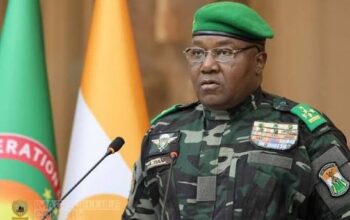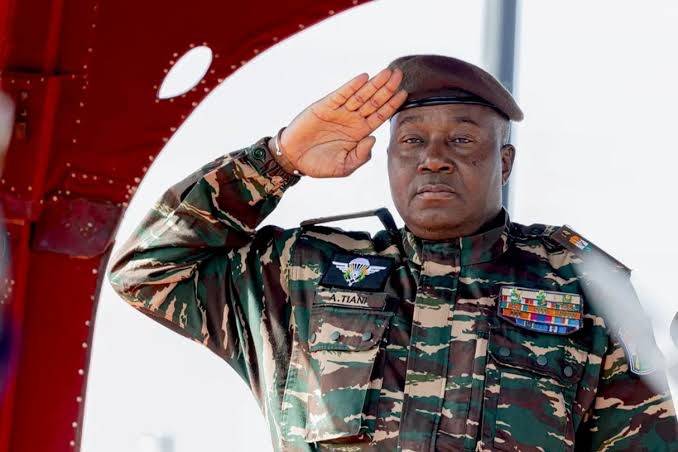
The decision to freeze fuel prices in Niger wasn’t just a populist move—it exposed the deepening cracks within the National Council for the Safeguarding of the Homeland (CNSP). Behind the rhetoric of protecting citizens’ purchasing power, General Abdourahamane Tiani’s about-face on fuel tariffs represents the junta’s first major political retreat since the July 2023 coup, signaling a regime struggling to maintain its footing.
From tough talk to tactical surrender: the junta’s shifting posture
What began as a firm commitment to fiscal discipline quickly unraveled when the government backtracked on fuel price hikes. Instead of implementing the “reasonable adjustment” recommended by technocrats at the Re-foundation Advisory Council and the Ministry of Petroleum to ease strained state coffers, the military leadership chose to bow to mounting public pressure—even from within its own ranks.
This abrupt reversal underscores the growing schisms at the highest levels of power. With each concession, the junta’s once-unshakable narrative of control weakens, revealing a leadership now operating in crisis mode, prioritizing short-term stability over long-term strategy. Since the August unrest, where the regime first glimpsed the specter of widespread instability, the language of invincibility has given way to one of calculated risk aversion.
Economic band-aids on gaping wounds: the illusion of stability
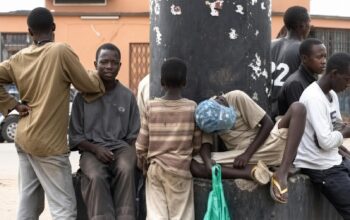
While the freeze on Super and Diesel prices may offer temporary relief to motorists, it does little to address the structural fissures wracking Niger’s economy. The artificial cap on fuel costs has created a false sense of equilibrium, masking deeper issues that threaten to erupt into a full-blown crisis:
- Parallel markets fueling shadow economies: Official price controls have done little to curb fuel scarcity in regions outside Niamey. Instead, they’ve driven trade underground, inflating informal market prices and exacerbating black-market profiteering.
- Petroleum sector opacity persists: Promised audits of the oil industry remain stalled, while a revolving door of leadership at the Ministry of Petroleum and the National Oil Company of Niger (SONIDEP) points to a troubling pattern of insider control and resource monopolization.
- A debt spiral disguised as reform: The financial strain of subsidizing fuel prices only compounds Niger’s existing fiscal challenges, pushing the country toward a precarious tipping point where economic collapse looms larger than stability.
Security and subsistence: the fuel freeze’s high-stakes gamble
The junta’s decision to freeze fuel prices is a gamble with consequences far beyond the pump. With agricultural production faltering and pastoral communities facing existential threats, the subsidy shortfall exacerbates food insecurity and rural discontent. Meanwhile, the security vacuum—exacerbated by regional instability and diminishing state resources—threatens to spiral out of control.
By clinging to cosmetic fixes rather than addressing systemic failings, the military regime risks deepening its isolation. Without structural reforms, the fuel price freeze is little more than a bandage on an open wound, delaying the inevitable reckoning of a crisis that grows more severe by the day.
What’s next for Niger under the CNSP?
As the junta navigates this self-inflicted quagmire, two paths emerge: doubling down on short-term tactics to preserve its grip on power or pursuing the unpopular but necessary reforms that could avert economic and social collapse. For now, the signs point to the former—a leadership increasingly willing to sacrifice long-term resilience for the illusion of control.