Economic projections defy regional trends
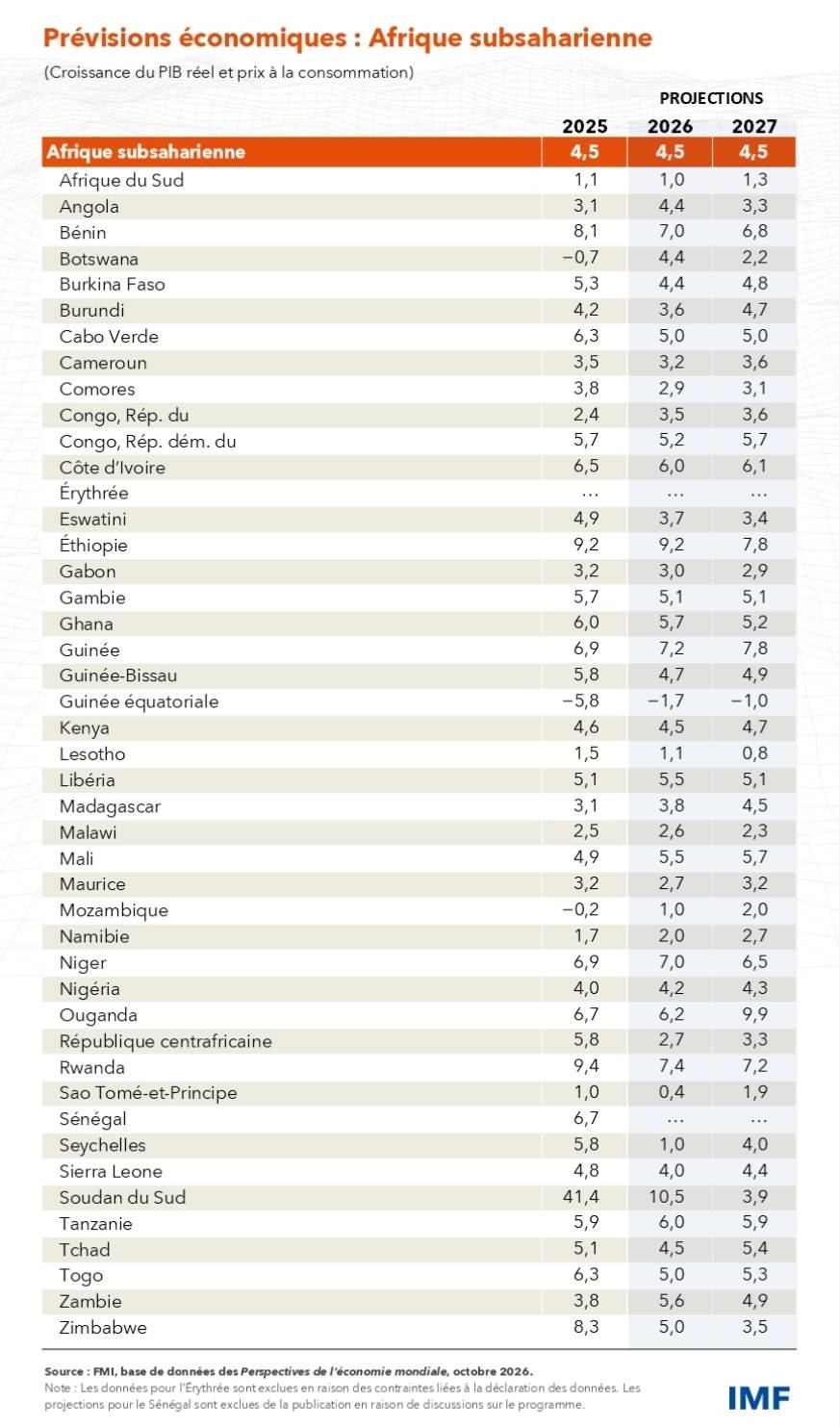
With projected growth of 7% in 2026 and 6.8% in 2027, Benin is carving out a reputation as West Africa’s economic standout. These figures, released in late 2026 by the International Monetary Fund (IMF), place the country well above the 4.5% average expected for Sub-Saharan Africa over the same period. Behind the headline numbers lies a story of deliberate policy choices, structural reforms, and targeted investments that have reshaped the nation’s economic trajectory.
The mechanics behind the growth
Benin’s upward trajectory is not an accident of favorable external conditions but the result of years of focused economic work. After achieving a real GDP increase of 8.1% in 2025, the country has maintained momentum through a combination of agricultural modernization, port efficiency gains, and expanded regional trade corridors. The IMF’s October 2026 report highlights how these sectors traditionally underdeveloped have become new engines of expansion.
Industry insiders point to three foundational shifts:
Infrastructure overhaul: upgrades to the Port of Cotonou and completion of the Cotonou-Niger Railway have slashed transit times and lowered operational costs for businesses.
Private sector activation: new tax incentives for SMEs in agro-processing and light manufacturing have spurred job creation in sectors beyond traditional agriculture.
Digital transformation: government-led digital registration platforms have streamlined business licensing, reducing red tape for entrepreneurs.
From headline growth to tangible change
Despite these achievements, growth alone does not guarantee widespread prosperity. Economists warn that Benin must now address structural challenges to ensure its expansion benefits all segments of society. The IMF’s projections confirm high potential, but the real test lies in translating macroeconomic gains into measurable improvements in household incomes, employment quality, and regional equity.
Unpacking the employment paradox
Between 2023 and 2025, Benin added over 250,000 formal jobs, yet youth unemployment remains stubbornly high hovering near 15%. The disconnect stems from a mismatch between workforce skills and employer needs, particularly in emerging sectors like renewable energy and digital services. Without targeted vocational training and alignment with private-sector demand, growth risks producing a “job-rich but opportunity-poor” scenario.
Regional spillover effects
Benin’s growth is not happening in isolation. The country’s enhanced port capacity and improved customs processes have made it the primary logistics hub for landlocked neighbors, including Burkina Faso and Niger. Trade flows through Cotonou have surged by 30% since 2024, creating ripple effects across West Africa’s supply chains. This regional integration, however, also introduces vulnerabilities dependencies on external demand and exposure to currency fluctuations.
The sustainability imperative
Analysts argue that Benin’s current growth model has a limited shelf life unless the country diversifies its economic base. Over-reliance on port services and informal trade leaves the economy exposed to global shocks, such as shipping disruptions or commodity price volatility. The IMF has underscored the need for deeper industrialization, particularly in value-added manufacturing and agro-industry, to build resilience.
Key priorities include:
Energy infrastructure: completing the Benin-Niger Gas Pipeline to stabilize electricity costs for industries.
Financial inclusion: expanding access to credit for rural farmers and women-led businesses through mobile banking innovations.
Climate adaptation: investing in drought-resistant crops as erratic weather patterns threaten agricultural output.
A case study in policy continuity
The consistency of Benin’s economic strategy stands in contrast to the frequent policy reversals seen in other West African nations. Since 2016, the government has maintained a multi-year National Development Plan (NDP), focusing on transit trade, renewable energy, and vocational education. This long-term vision has fostered investor confidence and attracted foreign direct investment, particularly from European and Gulf partners.
Critics, however, caution that policy continuity must not become rigid adherence to failing strategies. The NDP’s emphasis on large-scale infrastructure has yet to produce a proportional uptick in local job creation, raising questions about inclusivity. Whether Benin can balance megaprojects with grassroots economic empowerment will determine if its growth story is inclusive or extractive.
What the future holds
Benin’s economic rise offers a valuable lesson for West Africa: growth is not inevitable, but the result of deliberate choices. The IMF’s latest projections position the country as a regional outlier, yet its long-term success hinges on addressing three critical fronts:
Inclusive job creation: ensuring that economic expansion generates opportunities for youth, women, and rural communities. Initiatives like the Youth Employment Fund must scale rapidly to meet demand.
Economic diversification: reducing reliance on port revenues by nurturing tech startups, light manufacturing, and renewable energy sectors.
Resilience against shocks: strengthening fiscal buffers, diversifying export partners, and shoring up food security systems to withstand global volatility.
The story unfolding in Cotonou today is about more than statistics it’s a test of whether Benin can turn economic momentum into lasting prosperity. If successful, its model could redefine how smaller West African economies pursue growth without sacrificing equity.
By Claire Mvondo — Journalist