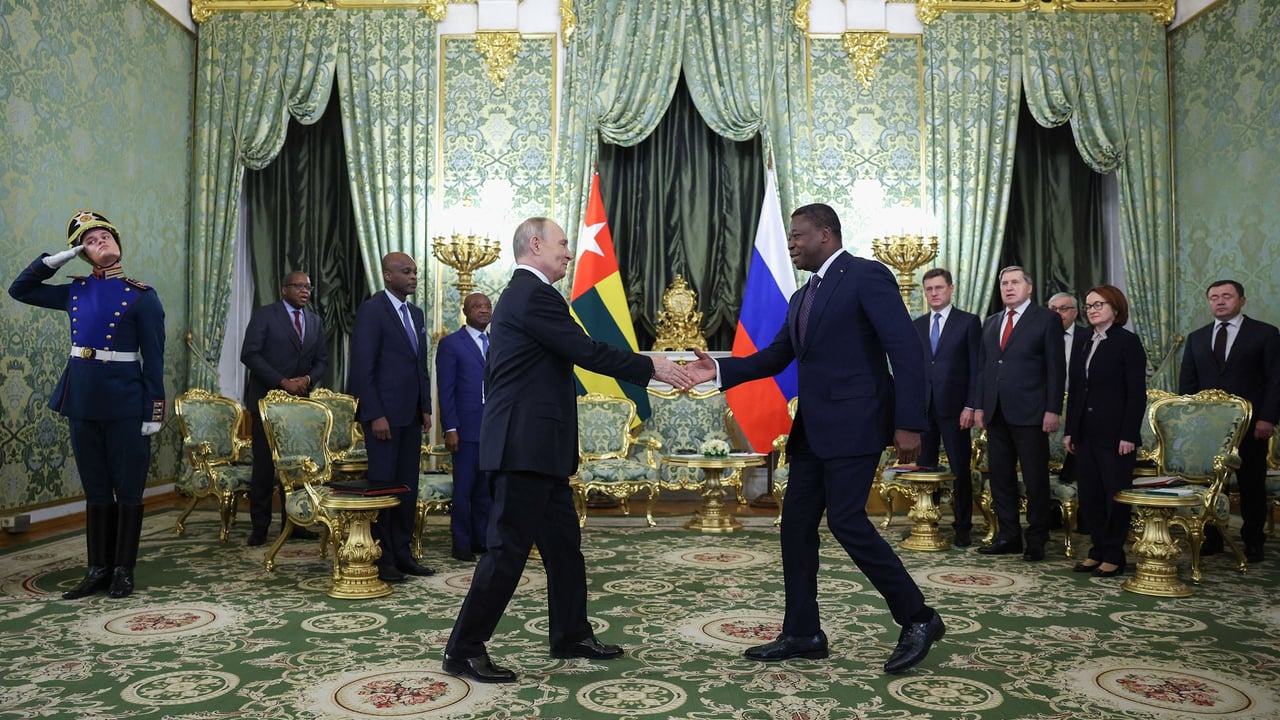
Lomé is quietly reshaping its security strategy in the Sahel, drawing closer to Moscow and Ankara as jihadist threats intensify across West Africa. The Togolese government has quietly forged partnerships with both the Russia-backed Africa Corps and Turkey, signaling a shift in its defense posture since 2025. These covert alliances aim to bolster the country’s ability to counter insurgencies along its northern borders while leveraging strategic aerial and logistical support.
Government insiders reveal that Faure Gnassingbé has prioritized discreet but decisive military cooperation over public alliances. While the details remain classified, reports indicate Lomé has received unmanned aerial vehicles, training missions, and logistical aid from Ankara, complementing Africa Corps’ ground operations in the region. The move underscores Togo’s determination to safeguard its sovereignty amid escalating instability in neighboring nations.
new security partnerships in the Sahel
Togo’s pivot toward foreign military assistance reflects a broader trend among West African states grappling with cross-border terrorism. Since 2025, Africa Corps—Russia’s private military arm—has expanded its footprint in the Sahel, offering combat training and advisory services to governments facing jihadist offensives. Meanwhile, Turkey has emerged as a key supplier of drones and surveillance technology, with Lomé among its recent beneficiaries.
Defense analysts note that Togo’s covert engagements align with a regional trend: countries are increasingly turning to non-traditional partners as traditional allies delay aid deliveries. The Africa Corps’ presence in the Sahel, though controversial, provides immediate operational benefits, while Turkey’s pragmatic approach—balancing military sales with development projects—has made it an attractive alternative to Western backers.
challenges and controversies
The covert nature of Togo’s alliances has sparked debate. Critics argue that reliance on private military contractors like Africa Corps could undermine democratic accountability, while others warn of potential geopolitical entanglements. Proponents, however, highlight the urgency of addressing the jihadist threat, which has displaced thousands and destabilized fragile governments.
Togo’s strategy also raises questions about long-term sovereignty. By integrating foreign military elements into its defense framework, Lomé risks creating dependencies that could complicate future policy decisions. Yet, with the Sahel’s security landscape deteriorating, the government appears willing to accept short-term trade-offs for tangible security gains.
what’s next for Lomé’s defense policy?
As jihadist groups expand their reach, Togo’s security calculus is likely to evolve further. Observers anticipate deeper collaborations with Africa Corps and Turkey, particularly in intelligence-sharing and border monitoring. However, the government’s ability to balance these partnerships with domestic expectations of transparency will determine the long-term sustainability of its approach.
The coming months will reveal whether Lomé’s gamble pays off—or whether the covert alliances introduce new vulnerabilities in an already volatile region.