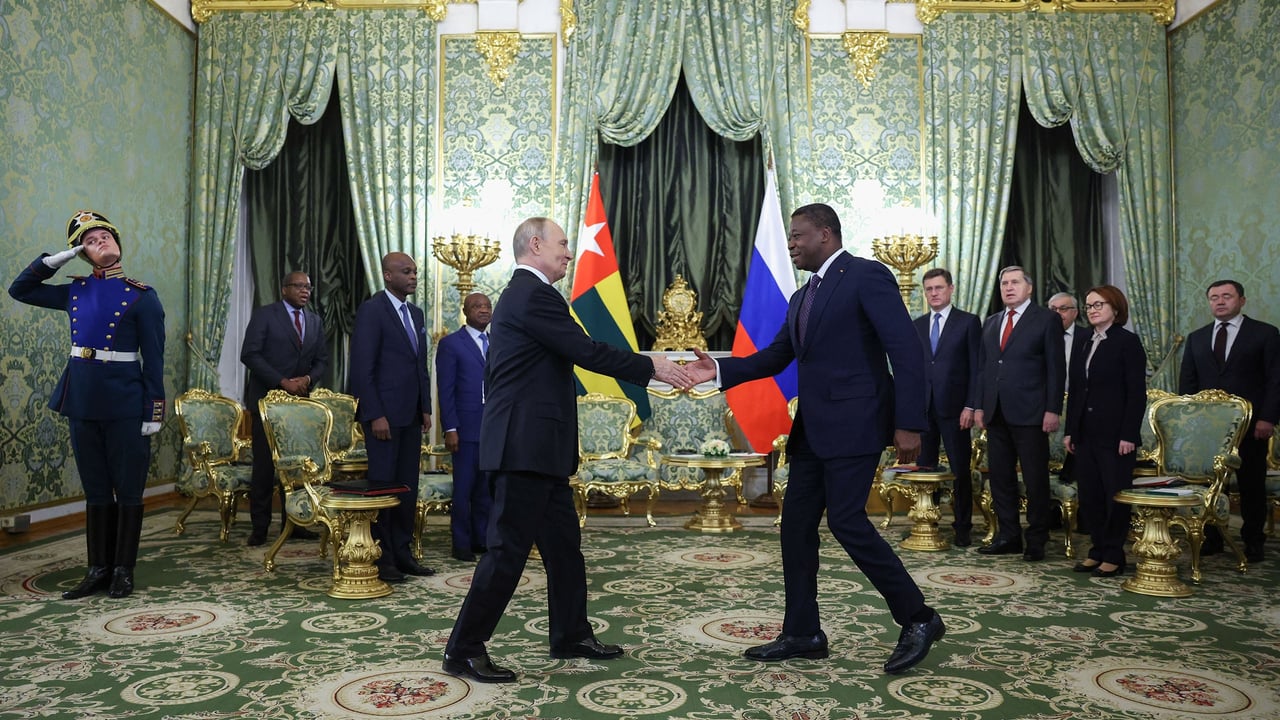
In recent years, Togo has quietly strengthened its defenses against the relentless threat of Sahel jihadist groups. The nation’s capital, Lomé, has forged discreet but strategic partnerships, notably with Turkey, to secure aerial and military support. Since 2025, another key player has entered the equation: Russia’s Africa Corps, raising questions about the shifting geopolitical dynamics in West Africa.
Strategic collaborations in the fight against terrorism
As jihadist violence escalates across the Sahel, Togo has taken proactive steps to bolster its security posture. While the country has maintained a relatively low profile in regional conflicts, its recent overtures to international actors signal a shift in strategy. The government, led by President Faure Gnassingbé, has prioritized counterterrorism efforts, recognizing the need for external support to safeguard its borders and citizens.
Turkey’s role in Togo’s security framework
Togo’s engagement with Ankara has yielded tangible results. The two nations have deepened their military and logistical cooperation, with Turkey providing critical aerial surveillance and training assistance. This alliance reflects a broader trend in West Africa, where countries are diversifying their security partnerships beyond traditional Western allies. The collaboration underscores Togo’s commitment to securing its northern regions, which have faced sporadic incursions from armed groups operating in neighboring Mali and Burkina Faso.
Russia’s Africa Corps: a new force in the Sahel
The emergence of Russia’s Africa Corps has added a new dimension to the regional security landscape. Since its deployment in 2025, the group has positioned itself as a key player in counterterrorism operations across the Sahel. For Togo, engaging with the Africa Corps represents a strategic move to enhance its military capabilities and deter potential threats. The partnership has sparked discussions about the evolving role of external actors in West African security, with some observers questioning the long-term implications of such collaborations.
Balancing sovereignty and security needs
Togo’s decision to collaborate with Russia and the Africa Corps reflects a delicate balancing act between sovereignty and the urgent need for security. While the government has not publicly disclosed the full extent of these partnerships, the presence of Russian advisors and military personnel in the country suggests a deeper level of engagement. This approach aligns with a growing trend among Sahel nations, which are increasingly turning to non-traditional partners to address their security challenges.
Regional implications and future outlook
The implications of Togo’s strategic alliances extend beyond its borders. The country’s proactive stance in counterterrorism could serve as a model for other West African nations grappling with similar threats. However, the involvement of external actors such as Russia and Turkey also raises concerns about the potential militarization of the region and the long-term consequences for regional stability. As Togo continues to navigate these complex dynamics, the world will be watching closely to see how these partnerships evolve and what impact they will have on the broader Sahel.