Tchad tackles plastic waste: recycling’s untapped potential
Chad generates 20,000 tons of plastic waste annually, yet its recycling industry remains in its infancy. Infrastructure gaps, low awareness, and limited support stall a sector with immense economic and environmental promise.
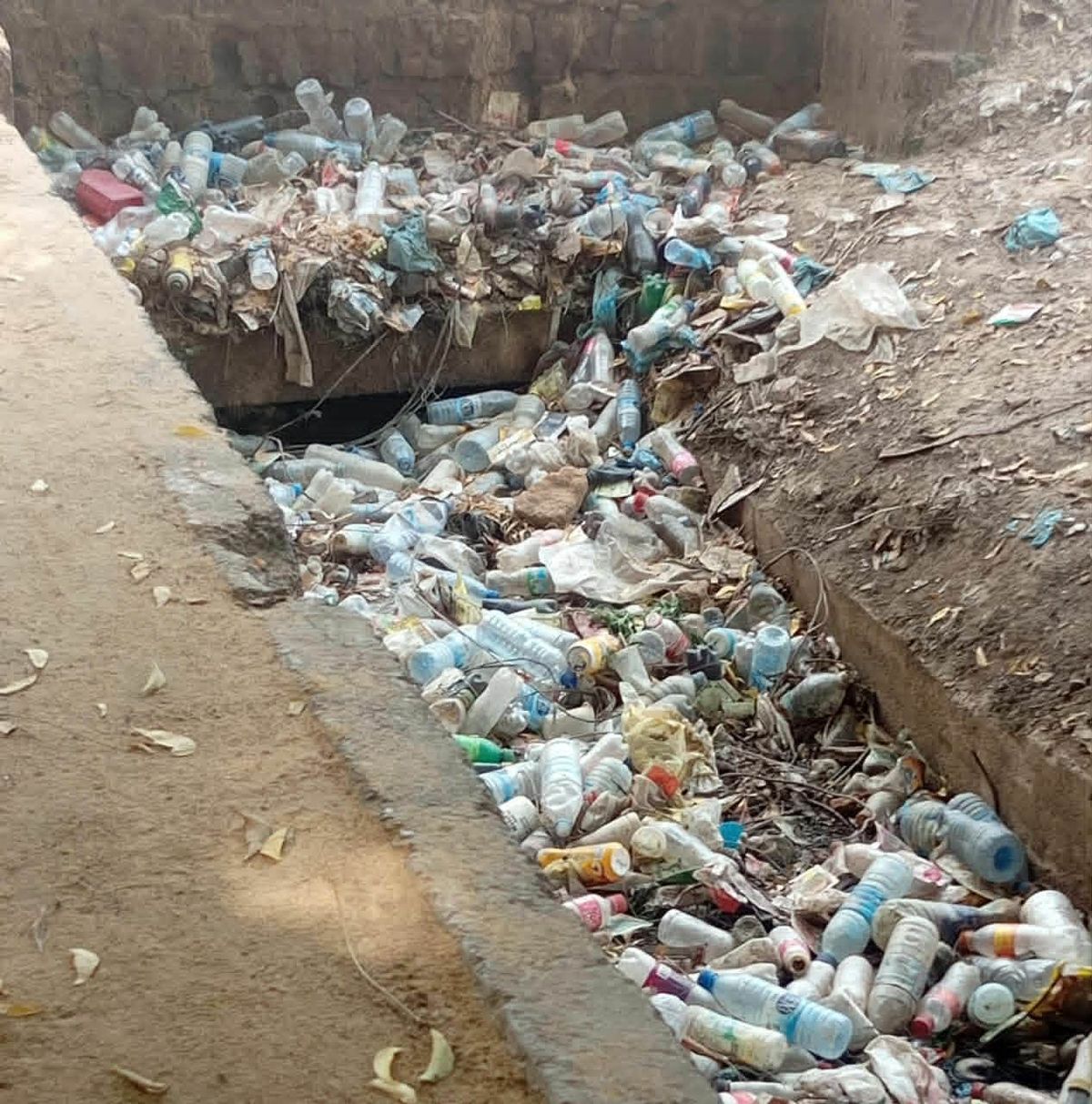
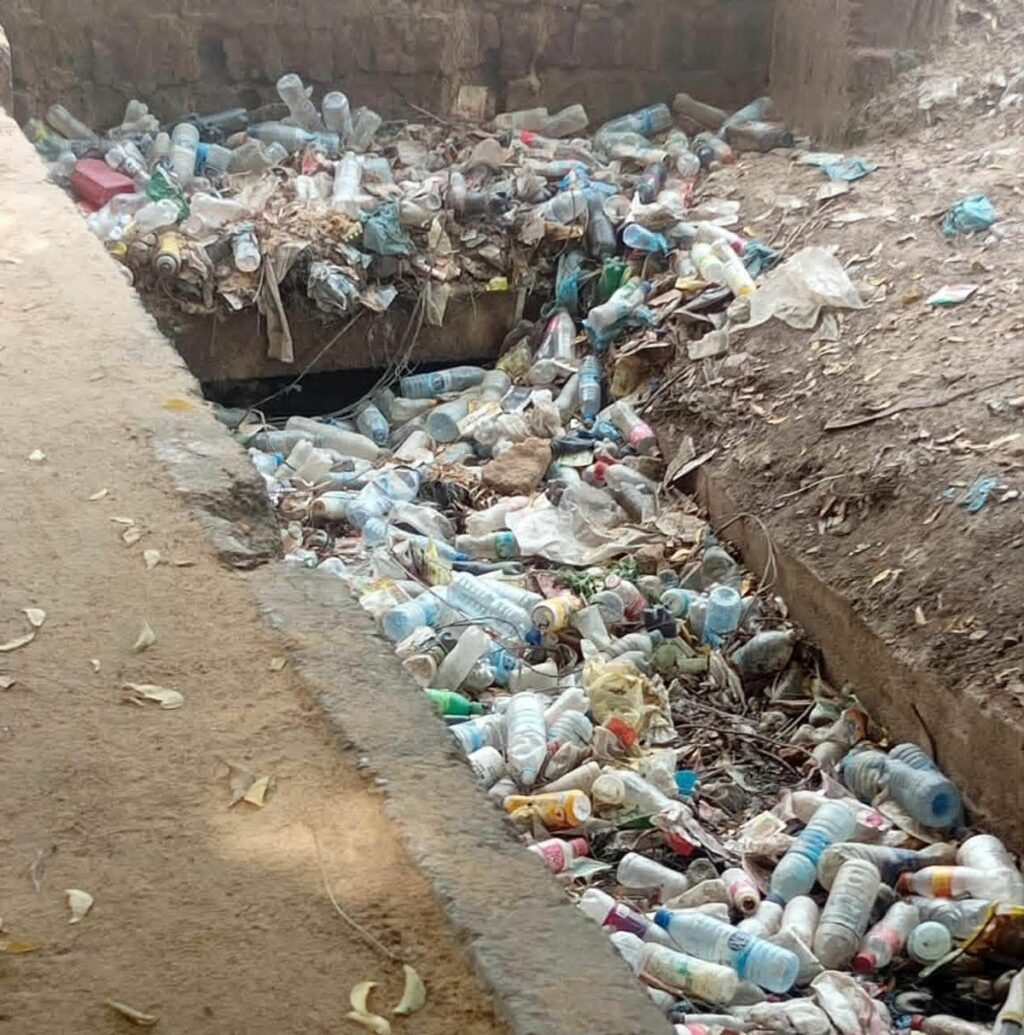
Every day, discarded plastic bags, bottles, and packaging clutter the streets, gutters, and vacant lots of N’Djamena. While plastic has streamlined daily life for consumers, it has also emerged as one of the capital’s most pressing environmental challenges. Current estimates suggest N’Djamena alone produces nearly 20,000 tons of plastic waste annually, with the average resident discarding four to five plastic items daily.
Hidden challenges behind plastic waste management
Despite these staggering figures, only a fraction of this waste is collected, and even less is recycled. The primary hurdle lies in the absence of an effective selective collection system. Across most neighborhoods in the capital, household waste is discarded indiscriminately. Plastics, organic waste, metals, and glass end up in the same dumpsites or are left strewn in public spaces, making recovery efforts nearly impossible.
The lack of source separation significantly complicates any attempt to reclaim and repurpose materials. Compounding the issue is a severe shortage of specialized infrastructure. Chad currently operates few facilities capable of processing plastic waste into reusable raw materials. The few initiatives already underway are led by private entrepreneurs or grassroots associations, but they often lack the funding, modern equipment, and market access needed to scale up. Without a dedicated recycling industry, the majority of plastic waste either ends up in unregulated landfills or is incinerated in open-air fires, releasing toxic fumes that pose serious health risks.
The role of the informal sector
The informal sector has become a cornerstone of plastic recovery. Hundreds of young people and women earn a living by collecting bottles and other recyclable packaging. Their work undeniably reduces pollution, yet it operates without formal oversight, social protections, or safe working conditions. Despite their critical contributions, these workers remain largely excluded from public waste management policies. The absence of a circular economy framework further stifles progress.
Learning from Africa’s recycling success stories
In several African nations, plastic waste has transformed into an economic asset, used to produce paving stones, furniture, pipes, handicrafts, and construction materials. Yet in Chad, this sector remains underdeveloped due to insufficient investments, technical support, and tax incentives for businesses willing to enter the recycling space.
The power of public awareness
Public awareness about the environmental impact of plastic waste also remains alarmingly low. During the rainy season, plastic bags clog drainage systems, worsening flooding that frequently ravages N’Djamena’s neighborhoods. Wind carries discarded plastics into waterways, threatening ecosystems and wildlife. Given that plastics can take hundreds of years to decompose, their environmental footprint is both deep and lasting.
In response, authorities have launched cleanliness campaigns and urged citizens to take responsibility. However, these efforts often fall short without a robust national strategy. An effective policy would integrate waste separation, strengthen local government capabilities, support recycling enterprises, foster innovation, and encourage producers to minimize single-use packaging.
A pathway to economic and environmental resilience
International partners could play a pivotal role by supporting the development of a thriving recycling industry. Beyond environmental protection, this sector holds vast economic potential. It could generate thousands of jobs for youth, spur local entrepreneurship, and create new revenue streams while enhancing urban living conditions. The challenge is significant, but not insurmountable. Transforming plastic waste into a resource demands political will, investment, and a shift in public attitudes. For Chad, recycling is no longer just an environmental issue—it is a public health imperative, an economic opportunity, and a cornerstone of urban resilience. Until waste is viewed as a valuable resource rather than a burden, the recycling industry will struggle to take off.
You may also like
Bénin’s Senate takes decisive step with 2027 budget adoption
SOCAR stakes claim in Côte d’Ivoire’s Baleine field: a game-changing move for Africa’s energy landscape
Benin’s airbadminton team seizes momentum with commanding 60-37 win over Algeria in Entebbe
Togo presses pause on press freedom as a reporter’s sidelining marks a decisive shift
Senegal’s special funds: a breakthrough reform faces executive resistance