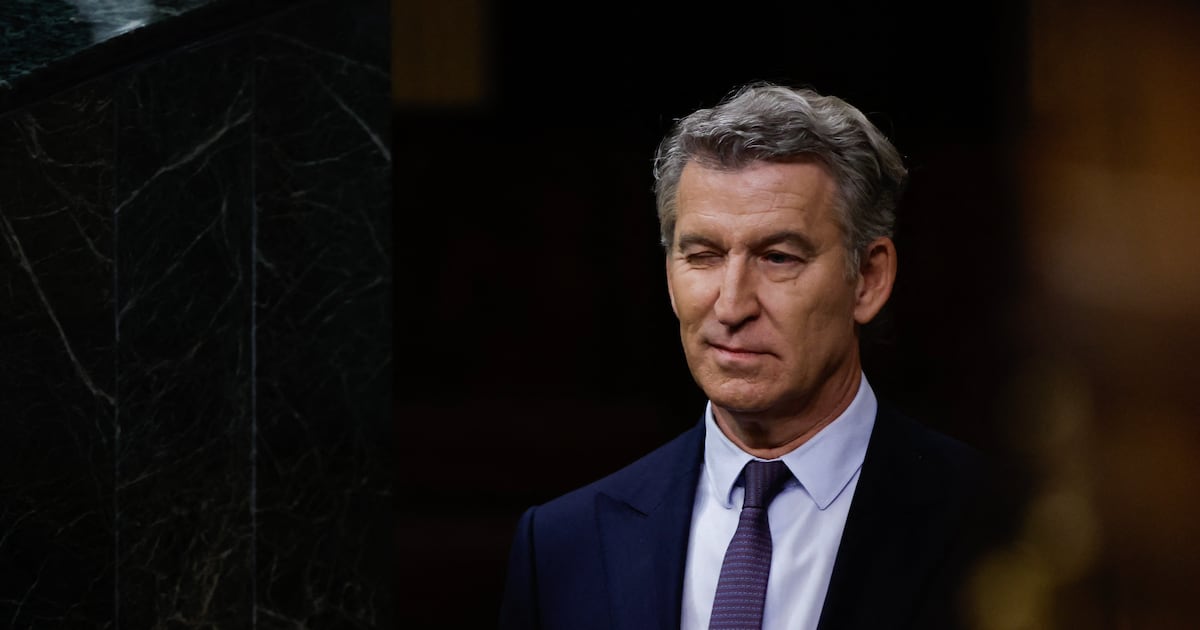
The Spanish government has accused the main opposition party, the Partido Popular (PP), of adopting an anti-Moroccan stance, escalating diplomatic tensions beyond typical political disputes. Foreign Minister José Manuel Albares argues that the PP is transforming foreign relations—particularly with Morocco—into a tool for internal political confrontation, calling the party an obstacle to Spain’s foreign policy.
Strategic ties under threat
Since 2022, Spain and Morocco have cultivated a robust strategic partnership, spanning migration control, trade, security, and joint infrastructure projects like the 2030 FIFA World Cup, co-hosted with Portugal. In December 2025, the two nations deepened this alliance with fourteen new cooperation agreements and a joint declaration to strengthen political dialogue.
If the PP wins the next election, it will inherit this relationship—but its future direction remains uncertain.
The Sahara conflict: a divisive legacy
The unresolved status of the Sahara remains the PP’s biggest contradiction. In March 2022, Prime Minister Pedro Sánchez endorsed Morocco’s autonomy plan as the “most serious, credible, and realistic” solution, a move the PP fiercely opposed. Alberto Núñez Feijóo, the party’s leader, condemned the decision as a break from Spain’s long-standing bipartisan foreign policy, arguing it was made without consulting the opposition.
While the PP claims to uphold international law and UN resolutions, its official stance lacks the clarity of the government’s position. Historically, the party has maintained a cautious approach, avoiding outright opposition to Morocco’s proposals. However, internal divisions persist, with some factions advocating closer ties with Rabat while others align with separatist Polisario Front supporters.
In July 2025, a Polisario representative attended the PP’s national congress, sparking controversy and raising questions about how a future Feijóo government would handle the issue. By February 2026, Foreign Minister Albares accused the PP of a double game: publicly criticizing the autonomy plan while secretly lobbying for it in Morocco.
International shifts and domestic pressures
If the PP assumes power, it will face a far more complex international landscape than in 2022. The Moroccan autonomy initiative has gained global traction, and Spain’s position is now deeply embedded in broader bilateral cooperation. Reversing this stance would not merely alter a diplomatic communiqué—it could reopen one of the most sensitive disputes between Madrid and Rabat.
Meanwhile, the PP faces pressure to align with Vox’s hardline rhetoric on immigration and national priorities. In April 2026, the concept of “national priority”—historically tied to far-right ideology—emerged in Spanish politics, forcing the PP to clarify its stance. While some party members insisted all legal immigrants have equal rights, others softened the language to avoid association with Vox’s agenda.
The Feijóo paradox: opposition vs. governance
The PP’s dilemma is clear: as an opposition force, it can criticize the government’s Morocco policy for electoral gain. But if it wins, it must govern a relationship that is now a cornerstone of Spain’s foreign policy. Cooperation with Morocco is not merely ideological—it’s a strategic necessity dictated by geography, economics, and security.
A potential Feijóo government may find itself forced to preserve the existing framework, despite years of opposing it. The real test will be whether the party can reconcile its public rhetoric with the pragmatic realities of power. Will it risk diplomatic fallout with Rabat, or will it acknowledge that Morocco remains an indispensable partner—regardless of who leads Spain?