Senegal, Middle East tensions and the 2026 World Cup
Key developments this week include Senegal’s constitutional reform reversal, the rise of a new presidential party, and escalating geopolitical tensions in the Middle East. President Bassirou Diomaye Faye faces a pivotal moment in his leadership as he navigates these challenges.
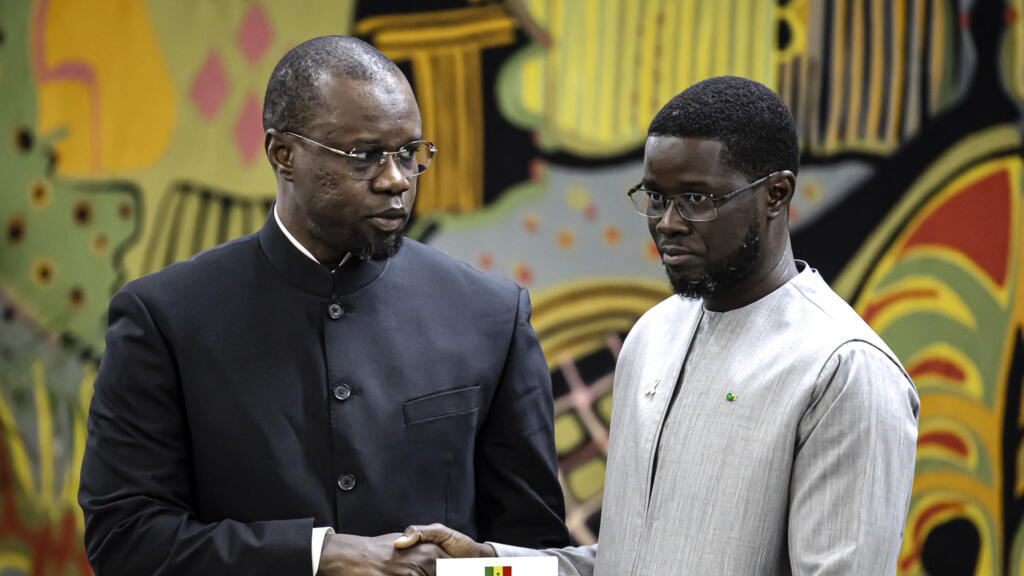
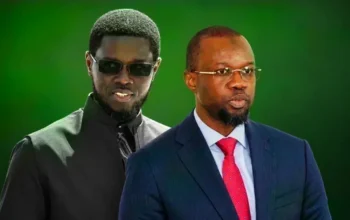
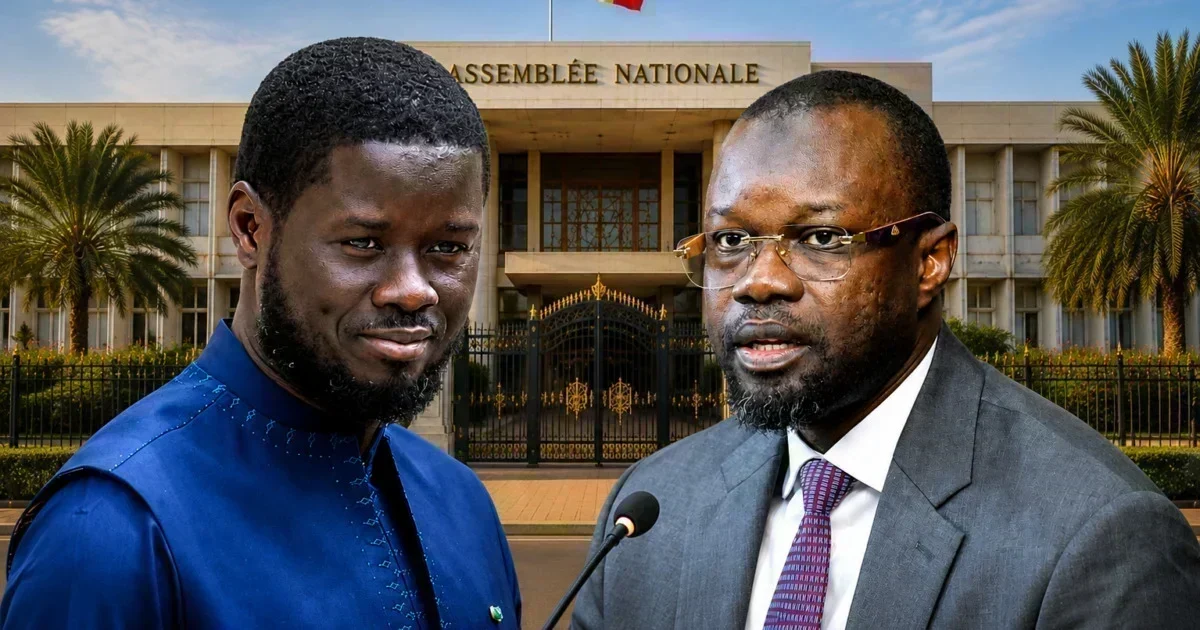
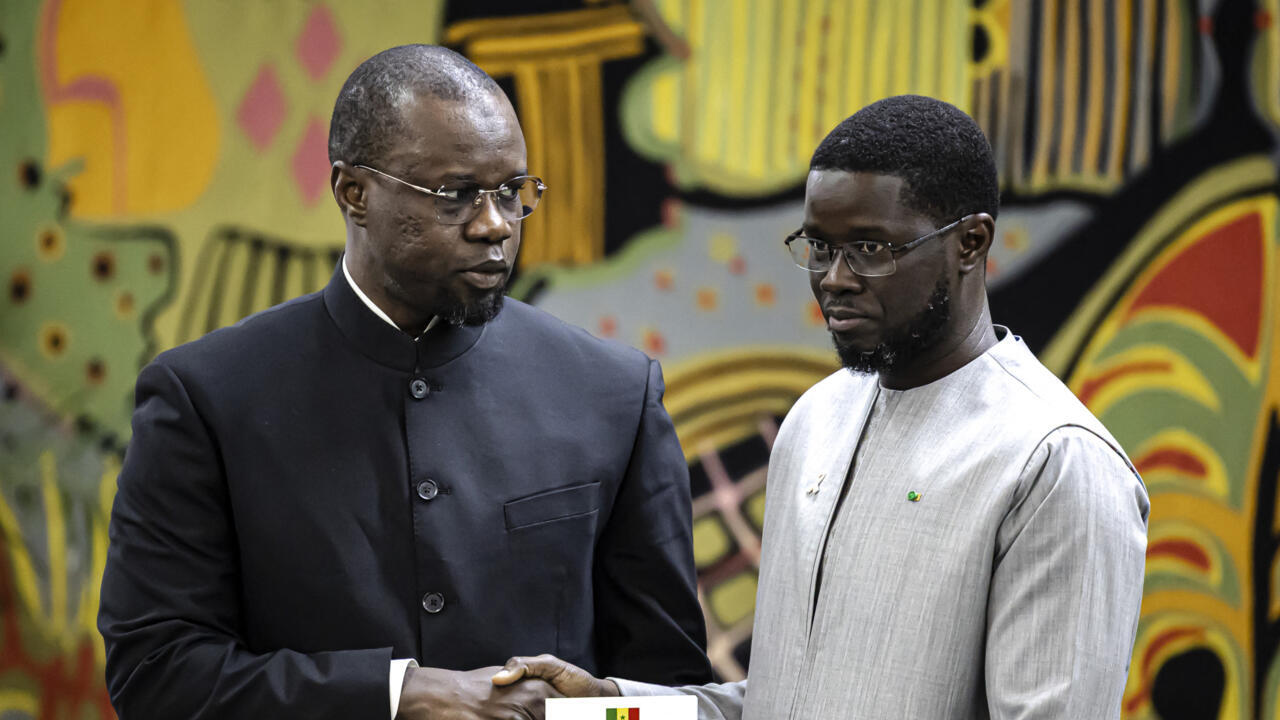
Political observers are closely watching Senegal’s evolving landscape as President Bassirou Diomaye Faye strengthens his position with the launch of a new presidential party. The move follows a significant setback: the Constitutional Council invalidated the proposed constitutional reforms backed by Ousmane Sonko’s parliamentary majority in the National Assembly. This decision has intensified debates about the future direction of governance in the country.
Meanwhile, the Middle East remains a flashpoint. Recent escalations and retaliatory strikes have prompted U.S. President Donald Trump to declare that the ceasefire is ‘over.’ His dismissive stance toward negotiations with Tehran, calling them a ‘waste of time,’ signals potential for further military action. Could the region be hurtling toward another full-blown conflict?
This week’s discussion brings together African journalists and analysts who dissect these critical issues shaping both regional and global affairs.
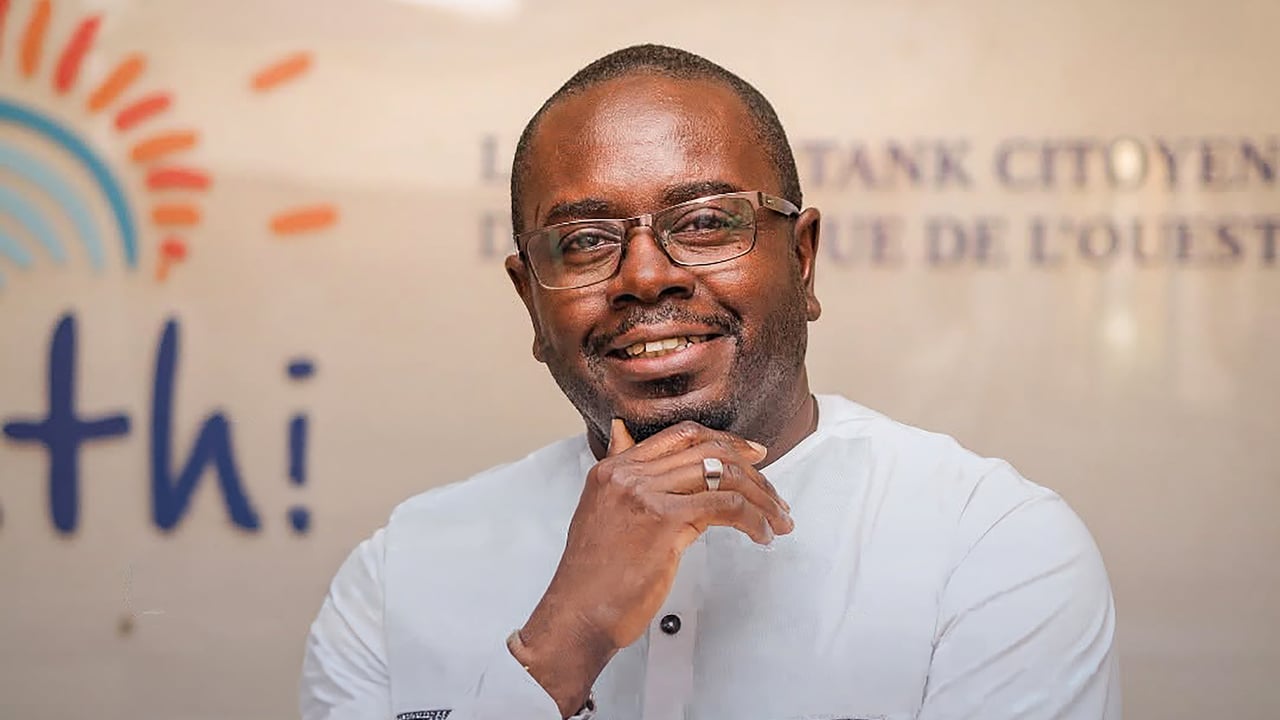
Contributors to this week’s debate:
- Wuldath Mama – Beninese journalist specializing in international affairs
- Eric Topona – Chadian journalist with Deutsche Welle’s Francophone Africa desk
- François Hiondi Nkam – Senior reporter and Head of the Economy desk at Cameroon’s Le Jour newspaper