The Constitutional Council of Senegal has dealt a significant blow to the institutional reform agenda led by the ruling Pastef party. The decision, announced yesterday, invalidates key provisions of the reform, dealing a fresh setback to Ousmane Sonko and his supporters.

Constitutional flaws derail Senegal’s institutional reform push
The highest judicial body in Senegal has struck down the proposed constitutional amendments championed by the ruling Pastef party. The decision, rendered yesterday, highlights two critical constitutional violations: the absence of a funding mechanism for the new Constitutional Court outlined in the reform, and procedural irregularities during parliamentary debates on government amendments.
President Bassirou Diomaye Faye personally referred the matter to the Constitutional Council, underscoring the reform’s legal vulnerabilities. The ruling effectively halts the ambitious institutional overhaul, which aimed to rebalance power between state institutions but failed to meet constitutional standards.
Adji Diarra Mergane Kanouté, former MP and leader of the USD/A party, emphasized that while the ruling blocks immediate reform plans, it does not close the door entirely. In her view, the National Assembly could revisit the proposal—but only if it adheres strictly to constitutional requirements, particularly regarding public expenditure and revenue allocation for new institutions like the Constitutional Court.
“The Council’s rejection of the reform doesn’t mean the Assembly cannot reintroduce a revised version. However, any proposal creating new public obligations—such as organizing elections or establishing the Constitutional Court—must include compensatory funding as mandated by Article 82, paragraph 2 of the Constitution. Additionally, the Council highlighted procedural violations when the Assembly rejected the government’s request for a block vote, in breach of Article 82, paragraph 4,” she explained.
Parliamentary oversight reforms also rejected
The proposed expansion of parliamentary investigative powers—intended to enhance scrutiny over natural resource contracts and other sensitive areas—has also been invalidated. This provision would have significantly broadened legislative oversight, but constitutional concerns have halted its progress.
political reactions and growing tensions
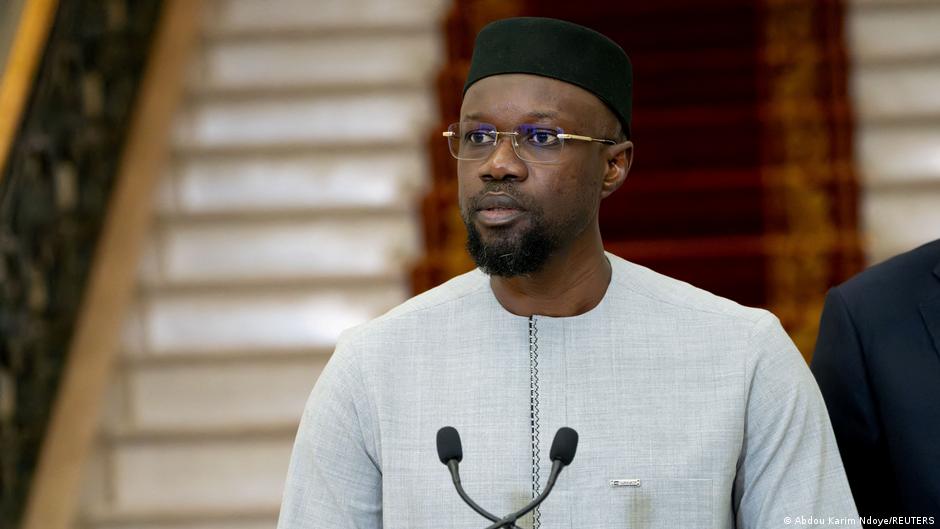
Ousmane Sonko acknowledged the Council’s decision in a public statement, signaling recognition of the judicial authority’s ruling. Meanwhile, presidential coalition members have framed the decision as a testament to the robustness of Senegal’s institutions, urging continued dialogue on reform initiatives.
Dr. Binette Ndiaye, coordinator of the Citizen Forum, praised the Constitutional Council’s intervention, stating:
“As a civil society representative, I believe this decision deserves commendation. From the outset, the process lacked inclusivity and consensus-building. It appeared as though a single political party was attempting to reshape constitutional provisions without broader engagement. The Council’s ruling reminds us that even with a parliamentary majority, governance must respect diverse perspectives and constitutional safeguards.”
The Council’s decision arrives amid escalating tensions between President Bassirou Diomaye Faye and Ousmane Sonko, two central figures in the Pastef movement. Sonko, who was removed from the Prime Minister’s office in May, has since assumed the presidency of the National Assembly. However, public statements from both sides reveal deepening divisions, with Sonko recently describing the political dynamic as a “cohabitation” scenario.
Political analysts warn that this institutional clash could reshape Senegal’s political landscape for years to come, marking a pivotal moment in the nation’s democratic evolution.