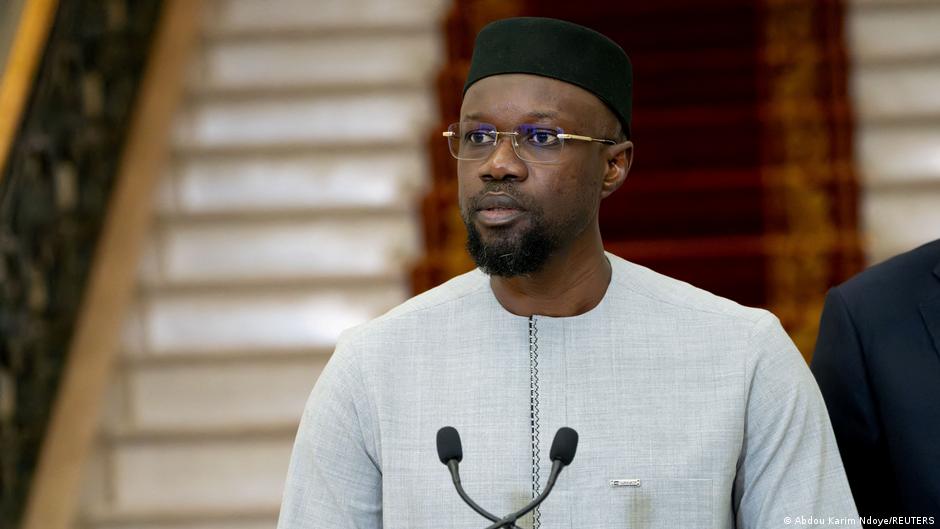
Senegal constitution court strikes down pastef reforms, weakens sonko’s position
Constitutional council delivers decisive blow to pastef’s reform agenda
The Senegalese Constitutional Council has struck down the institutional reform bill championed by the ruling Pastef party, citing two critical constitutional violations. The decision, rendered on Thursday, invalidates legislation that sought to redistribute powers between state institutions—a cornerstone of the party’s governance agenda.
The Council found that the proposed reform, which had already passed through the National Assembly with a comfortable majority, lacked provisions for funding the new Constitutional Court it envisioned. Additionally, the judicial body ruled that parliamentary procedures were breached during the examination of government amendments, further undermining the bill’s validity.
President Bassirou Diomaye Faye, who personally referred the matter to the Council, emphasized the need for constitutional compliance in all legislative processes. The ruling represents a significant setback for the party’s ambitions to reshape Senegal’s institutional framework.
Political repercussions and opposition voices
Adji Diarra Mergane Kanouté, former parliamentarian and leader of the USD/A party, argued that while the Council’s decision effectively halts the reform process, it does not close the door on future legislative efforts—provided they adhere strictly to constitutional requirements. She highlighted the necessity of compensatory revenue mechanisms, as mandated by Article 82 of the Constitution, for initiatives involving public expenditure such as electoral organization or the creation of new judicial bodies.
“The Council acted within its mandate,” Kanouté stated. “When the Assembly disregarded the government’s request for a blocked vote, violating constitutional procedures, the Council had every right to declare the reform unconstitutional.”
The rejected provisions included enhanced parliamentary oversight powers, particularly concerning natural resource contracts and previously restricted domains of executive activity.
Diverging reactions from political figures
Ousmane Sonko acknowledged the Council’s decision in a social media statement but did not elaborate on its implications. Meanwhile, presidential coalition officials underscored the importance of institutional checks and balances, calling for continued dialogue on reform initiatives.
Dr. Binette Ndiaye, coordinator of the Citizen Forum, praised the Council’s ruling as a safeguard for democratic principles. “This decision sends a strong signal,” she noted. “Even with a parliamentary majority, constitutional amendments require inclusive dialogue and consensus. The Council has reminded us that Senegal is a Republic where all voices must be heard.”
Deepening tensions in Senegal’s political landscape
The Council’s decision arrives amid escalating tensions between President Bassirou Diomaye Faye and former Prime Minister Ousmane Sonko, who was removed from office in May. Sonko’s subsequent election as Assembly President has done little to ease the growing rift between the two leaders.
Analysts describe the current dynamic as a “cohabitation” scenario, where conflicting visions for governance are colliding at the highest levels of power. The constitutional ruling may further strain relations, potentially reshaping Senegal’s political trajectory in the coming months.