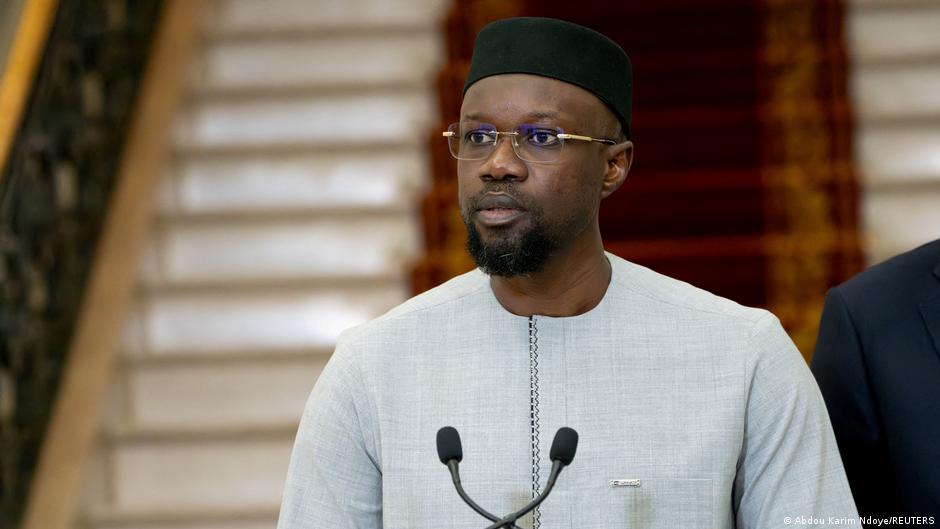
Senegal: constitutional council rejects pastef reforms, weakening sonko’s position
Constitutional council invalidates pastef-led reforms
The Constitutional Council of Senegal has declared unconstitutional the institutional reforms proposed by the majority parliamentary group of the Pastef party. The decision, handed down on July 10, 2026, follows a legal challenge initiated by President Bassirou Diomaye Faye himself. The rejected reforms aimed to redistribute powers among state institutions, a move supporters of Ousmane Sonko had framed as necessary for balanced governance.
The ruling cited two critical flaws in the proposed amendments: the absence of a financial framework to fund the future Constitutional Court envisioned by the reforms, and procedural irregularities during the parliamentary review of government amendments. Specifically, the Council noted that the National Assembly failed to apply the block vote procedure at the government’s request, violating Article 82, paragraph four of the Constitution.
Adji Diarra Mergane Kanouté, former MP and leader of the USD/A party as well as the coalition Ensemble Demain, emphasized that while the ruling halts immediate plans for a referendum, it does not close the door entirely on future legislative efforts. She stressed that any revised proposal must comply with constitutional requirements, particularly regarding public financing for new institutions such as the Constitutional Court, as mandated by Article 82, paragraph two.
“The Council’s decision confirms that even with a parliamentary majority, constitutional amendments must respect procedural rules and fiscal constraints. The state cannot create new institutions without ensuring sustainable funding. This is a reminder that Senegal operates within the rule of law, not partisan ambition.”
Key points of contention in the rejected reforms
- Strengthening parliamentary investigative powers: The proposed changes sought to broaden the scope of parliamentary oversight over natural resource contracts and grant lawmakers greater access to previously restricted areas of government activity.
- Procedural violations: The Council highlighted the failure to follow the block vote procedure, a mechanism designed to streamline legislative decisions when requested by the executive branch.
- Financial feasibility: The absence of a budgetary plan for the proposed Constitutional Court raised concerns about the practical implementation of the reforms.
Political reactions and rising tensions
Ousmane Sonko publicly acknowledged the Council’s decision in a statement on social media, framing it as a setback but not a defeat. Meanwhile, members of the presidential coalition praised the ruling as a vindication of institutional checks and balances. Dr. Binette Ndiaye, coordinator of the Citizen Forum, praised the Council’s role in preserving constitutional integrity, stating:
“This decision underscores the importance of inclusivity in constitutional reforms. The Council has reaffirmed that governance in Senegal must be rooted in dialogue and consensus, not unilateral decisions by a majority, no matter how large.”
The political climate has grown increasingly tense between Sonko and President Bassirou Diomaye Faye, particularly since Sonko’s removal from the Prime Minister’s office in May. Sonko’s subsequent election as Speaker of the National Assembly did little to ease the friction, with recent remarks describing the situation as a “cohabitation” between rival political forces at the heart of government.
Political analysts suggest that the invalidation of these reforms marks another chapter in the escalating rivalry between Sonko and Faye, one that could reshape the trajectory of Senegalese politics in the coming years.