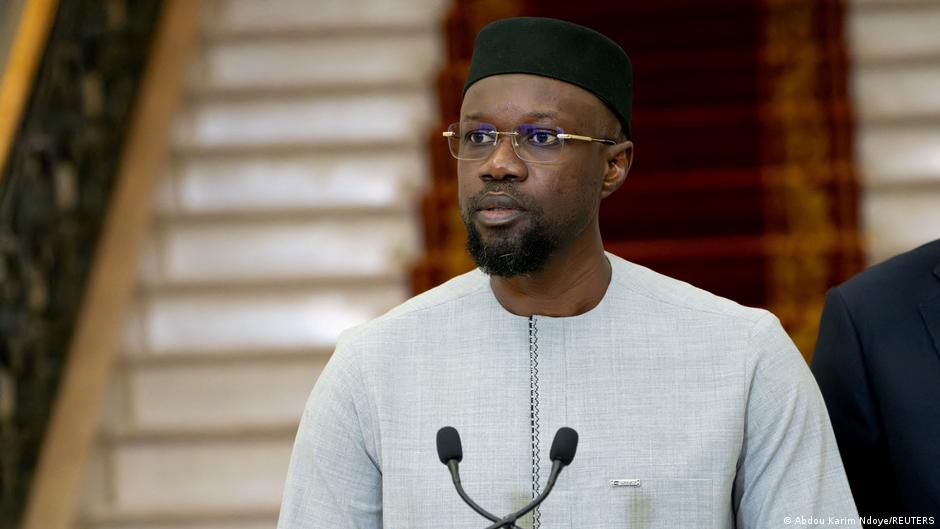
The Senegalese Constitutional Council has delivered a decisive blow to Ousmane Sonko’s ambitions by striking down the institutional reforms proposed by his ruling Pastef party. The council ruled that the amendments to the law fundamentally violated the country’s Constitution.
The rejected reform package, which had already been approved by the National Assembly where Pastef holds a commanding majority, aimed to redistribute powers among state institutions. However, the Constitutional Council identified critical flaws, including the absence of a funding mechanism for the future Constitutional Court envisaged by the changes and procedural irregularities during parliamentary debates on government amendments.

Adji Diarra Mergane Kanouté, a former MP and leader of the USD/A party, highlighted that the council’s decision effectively halts plans for a referendum on the reforms. While acknowledging the ruling, she cautioned that the National Assembly could still pursue a revised version—provided it adheres to constitutional procedures and secures compensatory funding for new institutions like the Constitutional Court. Kanouté also stressed that the council had rightly flagged violations of parliamentary rules, particularly the refusal to apply a blocked vote at the government’s request.
Key elements of the rejected reform
The proposed changes included expanding parliamentary investigative powers, allowing lawmakers deeper access to contracts involving natural resource exploitation and broadening their oversight into previously restricted areas.
Political reactions were swift. Ousmane Sonko publicly acknowledged the council’s decision through a social media statement, while the presidential coalition emphasized the importance of institutional checks and balances. Dr. Binette Ndiaye, coordinator of the Citizen Forum, praised the council’s decision as a necessary affirmation of constitutional supremacy.
“As a civil society representative, I believe this decision deserves praise. Initially, there was a clear lack of inclusivity in drafting this law. It appeared as if a political party unilaterally sought to alter constitutional provisions without prior dialogue or consensus. The Constitutional Council has reminded us that even with a parliamentary majority, the voices of all stakeholders must be considered.”
Political tensions escalate in Senegal
The council’s ruling arrives amid deepening rifts between Ousmane Sonko and President Bassirou Diomaye Faye. Sonko, who was removed from the premiership in May, had since assumed the role of National Assembly president. His recent public remarks about a “cohabitation” between the executive and legislature have fueled speculation about a growing power struggle at the heart of Senegalese governance.
Analysts suggest that the rejection of the reforms marks another chapter in this escalating rivalry, one that could have lasting consequences for the nation’s political landscape.