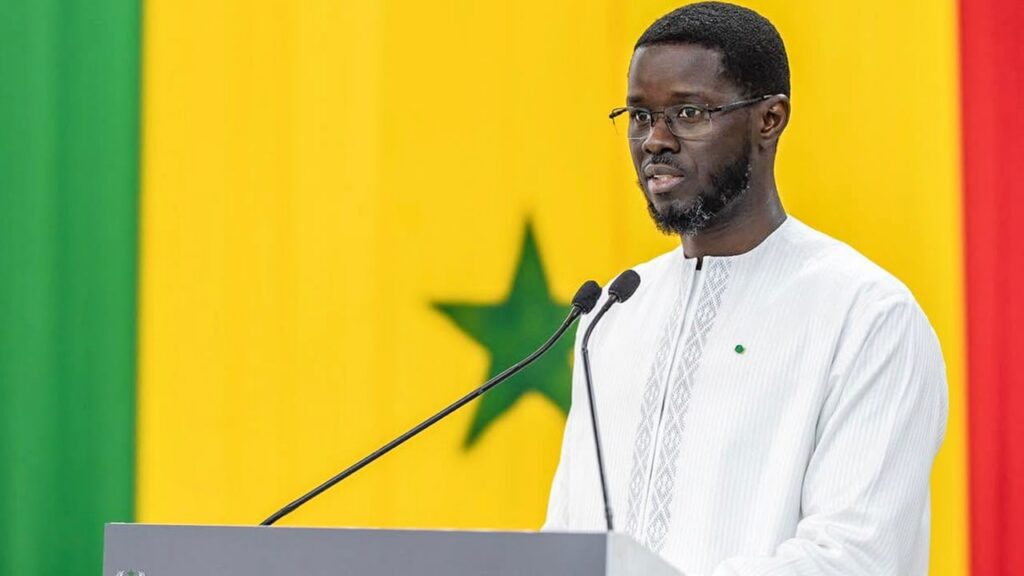

In the heart of Dakar, whispers about the presidential term limit in Senegal have grown louder in recent weeks. The debate isn’t just political chatter—it’s a question that cuts to the core of governance, stability, and public trust in the country’s institutions. But where did these rumors begin, and what do they reveal about the current state of Senegal’s political landscape?
Political tensions rise as term limits take center stage
The conversation gained momentum after Bassirou Diomaye Faye assumed office in March 2026. While the constitution clearly outlines a five-year presidential term with the possibility of one renewal, speculation has swirled about whether the rules might be bent—or rewritten—to accommodate extended leadership. This isn’t the first time Senegal has faced such controversies, but the timing and intensity of the debate feel different this time.
Opposition figures and civil society groups have been vocal, arguing that altering term limits would undermine democratic principles. Meanwhile, supporters of the current administration insist that the focus should remain on delivering results rather than getting distracted by constitutional debates. The divide is sharp, and the rhetoric is heating up.
Public reaction: a nation divided
On the streets of Dakar and beyond, opinions are sharply split. Some citizens see the rumors as baseless fearmongering, a distraction from more pressing issues like economic recovery and security. Others, however, view them as a serious warning sign—one that could signal a dangerous erosion of democratic norms.
Social media has amplified the discourse, with hashtags trending and viral posts stoking both support and skepticism. The government has yet to issue an official response, but the silence itself is fueling speculation. What’s clear is that the debate isn’t just about legalities—it’s about perception, trust, and the future of Senegal’s democracy.
Historical context: lessons from the past
Senegal has a long history of peaceful transitions of power, a point of pride for the nation. The 2012 and 2020 elections, which saw incumbent presidents step down after serving two terms, reinforced this reputation. Yet history also shows that term limit debates can quickly spiral into crises if left unaddressed. The 2016 constitutional reforms that reduced the presidential term from seven to five years were a direct response to public pressure—proof that Senegalis won’t tolerate perceived overreach.
Today’s rumors echo those past controversies, raising a critical question: Is the country at risk of repeating old mistakes, or is this just another chapter in Senegal’s evolving democratic story?
What’s next for Senegal’s political future?
As the debate intensifies, all eyes are on Dakar. Will the government clarify its stance on term limits, or will the silence deepen the divide? For now, the rumors persist, and the stakes couldn’t be higher. One thing is certain: Senegal’s ability to navigate this moment will shape its democratic identity for years to come.
You may also like
Will the AES ever launch its own currency? The question Traoré keeps leaving unanswered
Can Ibrahim Traoré’s 300 armored vehicles claim survive scrutiny? Inside Faso Armored’s made-in-Burkina Faso gamble
Can Washington force third-country deportations? Ivory Coast’s refusal raises the stakes
Will Benin’s AEO exporters finally crack the Chinese market?
Northern Niger’s unanswered question: can Tiani’s government deliver water and power where it matters most?