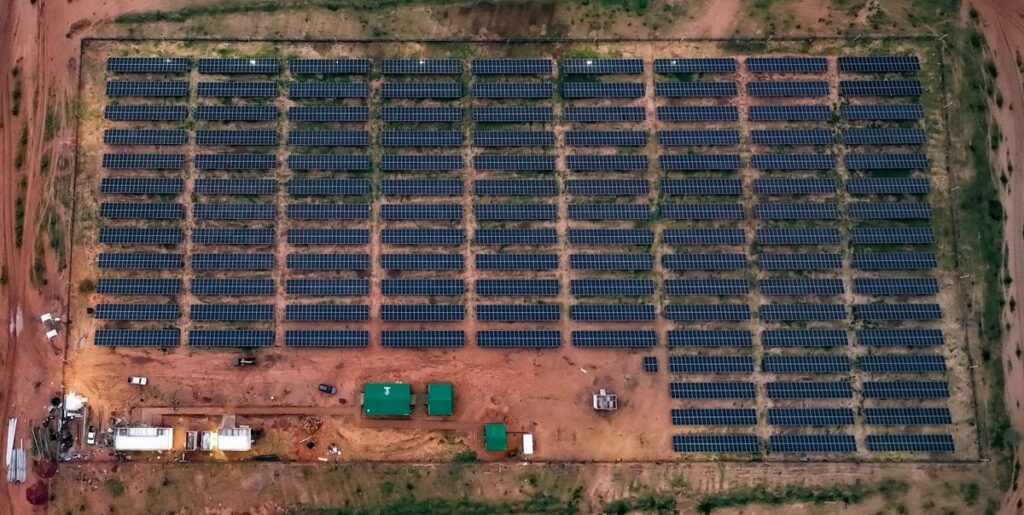
Tchad launches solar plant in Adré: a leap toward renewable energy
The inauguration of a solar power plant in Adré marks a major milestone in Chad’s energy transition, reinforcing the government’s commitment to sustainable energy solutions.
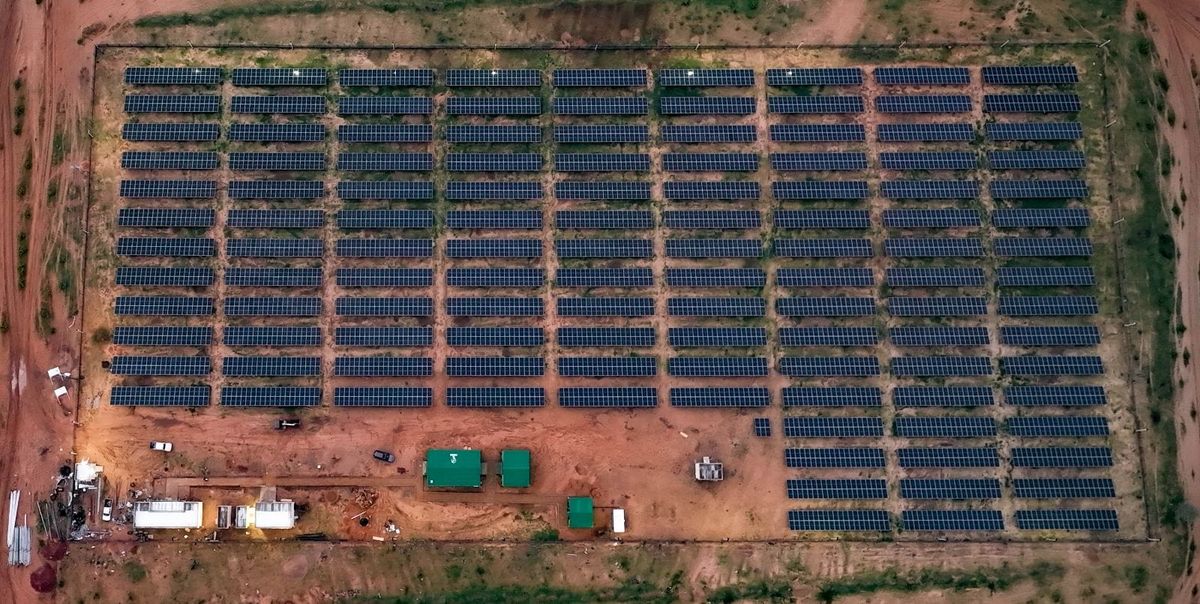
Adré, a town in the Ouaddaï province of eastern Chad, has entered a new era with the official launch of its first solar power plant. The inauguration ceremony, held on August 7, 2026, brought together local leaders, government officials, and community members to celebrate a project designed to transform the region’s energy landscape.
The solar plant, located in Adré—the capital of the Assoungha department—was inaugurated by the department’s prefect in the presence of key figures from the Rural Electrification and Energy Management Agency. Among them were the agency’s chairman and director general, alongside technical partners, financial backers, and elected representatives. The event underscored the importance of this infrastructure in Chad’s broader strategy to expand electricity access nationwide.
Local leaders praise the project’s impact
Ahmat Abderrahim, mayor of Adré, opened the ceremony by emphasizing how this solar plant would serve as a catalyst for progress. “This project is a game-changer for our community,” he stated. “It reflects the government’s dedication to ensuring no region is left behind in the pursuit of reliable energy.”
Younous Daoussa Mahamat, director general of the Rural Electrification and Energy Management Agency, framed the inauguration as more than a symbolic event. “This is the realization of a promise made by the Head of State,” he declared. “President Mahamat Idriss Déby Itno has made it clear that access to electricity is a right, not a privilege.”
He highlighted that the Adré plant was built on the President’s direct instructions, showcasing a commitment to balanced national development. “Every citizen deserves progress,” he added. “No town should remain in darkness, and no young person’s potential should be limited by a lack of power.”
Technical specifications of the solar plant
The hybrid solar plant boasts an impressive array of features:
- 4,800 photovoltaic panels, each with a capacity of 585 watts
- 2.808 megawatts-peak of installed solar power
- 7.52 megawatt-hours of battery storage
- Two 500 KVA backup generators for reliability
- 5 kilometers of medium-voltage transmission lines
- 10 kilometers of low-voltage distribution networks
A community celebrates a brighter future
Dillo Bergou, the prefect of Assoungha, closed the ceremony by expressing gratitude to President Mahamat Idriss Déby Itno for prioritizing the region’s development. He also commended the collaborative efforts of all stakeholders involved in bringing the project to life.
The event concluded with a ribbon-cutting ceremony, followed by a guided tour of the facilities. This milestone not only strengthens Chad’s energy independence but also sets a precedent for future renewable energy initiatives across the country.
You may also like
Will the AES ever launch its own currency? The question Traoré keeps leaving unanswered
Can Ibrahim Traoré’s 300 armored vehicles claim survive scrutiny? Inside Faso Armored’s made-in-Burkina Faso gamble
Can Washington force third-country deportations? Ivory Coast’s refusal raises the stakes
Will Benin’s AEO exporters finally crack the Chinese market?
Northern Niger’s unanswered question: can Tiani’s government deliver water and power where it matters most?