The African continent stands at the nexus of shifting power dynamics, where colonial boundaries blur under the weight of modern geopolitical ambitions. A new player has entered the stage—one whose evolution from shadowy operations to a structured military entity signals a deliberate strategy by Moscow to recalibrate its global footprint.
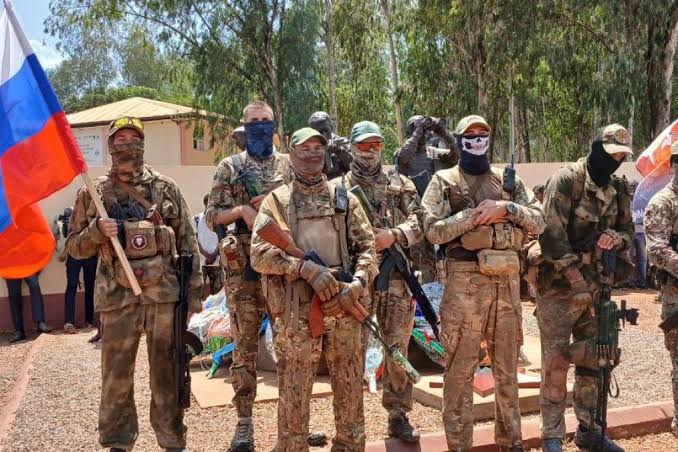
The transition from the Wagner Group to what is now termed the Africa Corps is not merely semantic. It reflects a deliberate effort to institutionalize operations that have long operated in legal gray zones across Africa. This shift coincides with a period of growing skepticism in West African capitals toward traditional Western partners, a sentiment amplified by recent political transitions in Mali and Burkina Faso.
These nations, seeking alternatives to former colonial powers and Western security frameworks, have increasingly turned toward Russia for military support, economic partnerships, and political alignment. The Africa Corps, composed largely of former Wagner operatives, now serves as a more formalized extension of Kremlin interests, blending plausible deniability with strategic depth.
The Sahel: A strategic battleground for influence
The Sahel region has emerged as the epicenter of Russia’s renewed African strategy. Characterized by chronic political instability and the relentless advance of Islamist militant groups, the area presents an opportunity for Moscow to project power while positioning itself as a stabilizing force. Reports from military observers indicate that approximately 70% of Africa Corps personnel are drawn from the ranks of the former Wagner Group or similar private military contractors.
Nowhere has this strategy been more visible than in Mali, following the withdrawal of French Barkhane forces. While Russian officials maintain that these groups operate independently of the state, their deployment aligns closely with Moscow’s broader objectives—securing access to critical mineral and energy resources while expanding geopolitical leverage.
Beyond military presence, the Africa Corps serves a dual purpose: protecting Russian economic interests and reinforcing Moscow’s long-term influence. Cooperation agreements with Sahelian governments often include clauses granting Russian firms preferential access to mining and energy projects. This economic dimension not only funds military operations but ensures a sustained footprint on the continent.
The approach mirrors Cold War-era tactics, where ideological alliances were secondary to pragmatic economic and strategic interests. Today, however, the calculus is squarely rooted in countering perceived Western dominance and securing resource-rich territories in a region where traditional powers are receding.