DRC National Dialogue: AETA Urges Political and Social Actors to Prioritize National Interest Over Partisan Gains
July 20, 2026
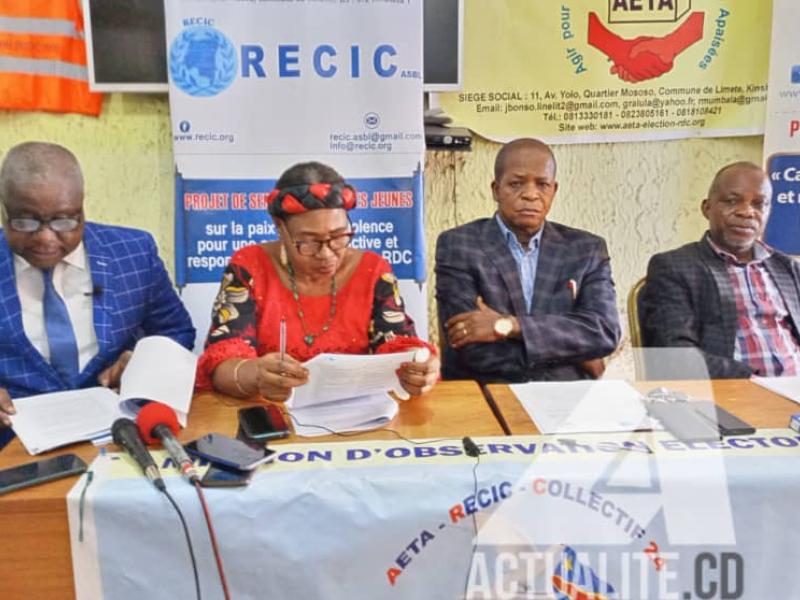
Experts from AETA and RECIC engage in strategic dialogue
An Urgent Call for National Unity
The Alliance for an Ethical Transition in Africa (AETA) has issued a compelling appeal to all political and social stakeholders in the Democratic Republic of the Congo (DRC), urging them to set aside partisan interests and unite in pursuit of the nation’s highest good.
In a statement released today, AETA emphasized the critical importance of the ongoing national dialogue as a pivotal moment for the country’s future. The platform called on leaders across the political spectrum, civil society representatives, and community influencers to demonstrate unwavering commitment to the collective well-being of all Congolese citizens.
“The challenges facing our nation demand urgent, concerted action,” stated a senior spokesperson for AETA. “Partisan rivalries must yield to a shared vision of stability, progress, and inclusive governance.”
Key Expectations for the National Dialogue
The AETA’s call comes amid heightened political tensions and public expectations for meaningful reforms. The organization outlined several priorities for the dialogue process:
- Inclusivity: Ensuring representation from all segments of society, including marginalized communities and youth leaders.
- Transparency: Establishing clear mechanisms for accountability and public oversight of decision-making processes.
- Sustainable Solutions: Addressing root causes of instability, such as regional security threats and economic disparities.
- Constitutional Reforms: Strengthening democratic institutions to prevent future crises and promote long-term stability.
The platform also stressed the need for immediate confidence-building measures, including the release of detained political figures and the restoration of civic freedoms.
Reactions from the Political Landscape
Political observers have reacted cautiously to AETA’s appeal, noting both its urgency and the challenges of implementation. While some factions have expressed willingness to engage in good faith, others remain skeptical about the potential for meaningful compromise.
The C64 coalition, a prominent opposition alliance, has reiterated its demands for the government to initiate the dialogue process without further delay. Meanwhile, ruling party officials have called for patience and emphasized the complexity of the issues at hand.
Civil society leaders have largely welcomed AETA’s intervention, seeing it as a necessary catalyst for breaking the current deadlock. “This is a defining moment for our democracy,” commented a prominent activist. “The people deserve leaders who are willing to put the nation first.”
Path Forward: Challenges and Opportunities
The coming weeks will be critical in determining whether AETA’s call resonates across the political spectrum. Success will require not only political will but also sustained public pressure and international support.
Experts suggest that the dialogue process must move beyond procedural formalities to address substantive issues such as electoral reforms, security sector governance, and economic recovery. Failure to do so risks further eroding public trust in democratic institutions.
AETA has pledged to monitor the dialogue process closely and hold all parties accountable for their commitments. The platform has also announced plans to organize public forums to gather input from citizens across the country.