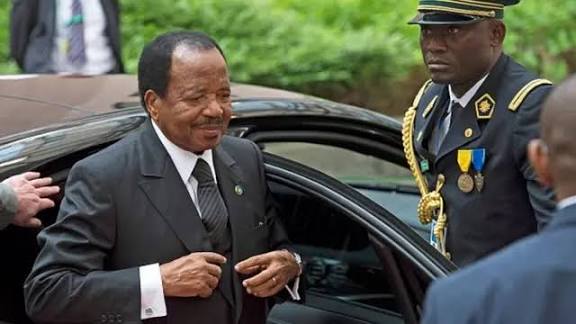
Paul biya’s record absence from Cameroon sparks debate
On june 7, 2026, President Paul Biya departed from Yaoundé for what was described as a brief private visit to europe. However, as of august 10, 2026, his absence has stretched to a staggering 64 days—far surpassing expectations. This unprecedented duration has shifted the narrative from a routine trip to a matter of national concern, raising critical questions about governance and leadership continuity.
The prolonged absence of a sitting head of state inevitably impacts decision-making processes, policy implementation, and the government’s ability to address pressing domestic challenges. Citizens and political observers alike are increasingly scrutinizing the implications of such extended periods away from the country, particularly in a region where stability and leadership are paramount.
While official statements have framed the trip as a necessary respite, the sheer length of Biya’s absence has fueled speculation about its true nature and purpose. Some analysts suggest that the delay may reflect deeper administrative or health-related considerations, though no concrete details have been disclosed.
As the debate intensifies, many are questioning the mechanisms in place to ensure uninterrupted governance during extended presidential absences. The situation underscores the need for transparency and clear protocols to maintain public trust and institutional stability.
You may also like
Gabon and Guinea-Bissau: a model for smooth political transitions
Cameroon’s leadership vacuum under Paul Biya sparks national and regional concerns
Le grand invité Afrique – Exploitation de l’or au Cameroun et en RDC: «Les opérateurs nationaux et étrangers doivent rendre des comptes»
Burkina Faso’s junta under Ibrahim Traoré shifts towards Soviet and North Korean model
How Burundi and Mali use enemy creation to keep power