How a journalist’s vanishing act exposes deeper media repression in Niger
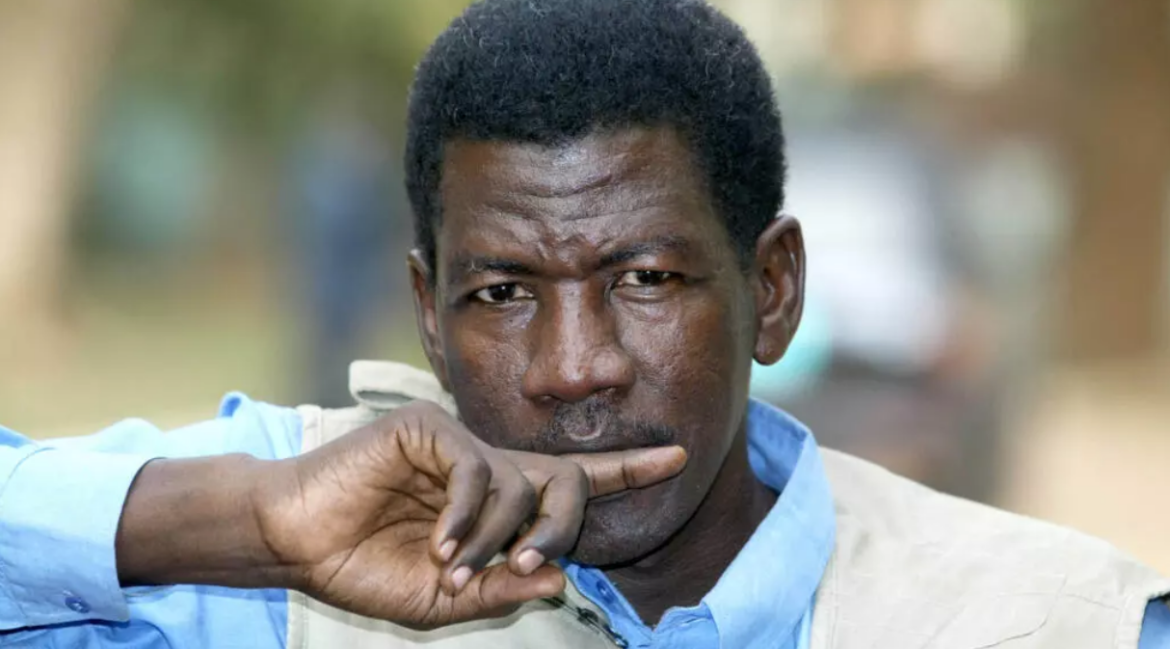
When Moussa Kaka, a veteran journalist and director of Radio-Télévision Saraounia, vanished from Niamey on August 31, 2026, he didn’t just disappear—he became the latest symbol of a collapsing media landscape in Niger. His absence didn’t emerge from nowhere; it followed a calculated crackdown on press freedom that intensified after the July 2023 coup d’état. While authorities have not confirmed responsibility for his disappearance, the timing and context raise critical questions about the true costs of a government increasingly intolerant of scrutiny.
Moussa Kaka’s unexplained absence: what do we know?
Moussa Kaka last communicated with colleagues around 7 p.m. on that late August evening, leaving his office in Niamey. He never reached home. Days, then weeks, passed without a word—no social media posts, no phone calls, no public statements. His family, friends, and professional network were left with only silence.
At nearly 40 years in journalism, Kaka was no stranger to risk. Former correspondent for international outlets and director of his own media house, he had built a reputation for fearless reporting. Yet even his experience couldn’t shield him from the growing unpredictability of Niger’s media environment.
Reporters Without Borders (RSF) has called for a full investigation and urged the UN Working Group on Enforced or Involuntary Disappearances to intervene. But as of now, no credible public evidence links authorities to his disappearance—only the disturbing pattern within which it occurred.
The Serge Mathurin Adou precedent: a pattern of enforced invisibility
In September 2024, Ivorian journalist Serge Mathurin Adou working in Niamey also “disappeared” — only to reappear weeks later in state custody. Adou had told his wife he was responding to a judicial summons. Days turned into weeks. His whereabouts were unknown. It wasn’t until international pressure mounted that authorities confirmed his detention. He was later charged with “undermining state security” in a case tied to allegations of destabilization in neighboring Burkina Faso.
This case set a concerning precedent: in Niger, a journalist can vanish from public view for weeks before authorities acknowledge detention. While the scenarios may differ, the result is the same—uncertainty and fear.
From coup to crisis: how the media climate shifted overnight
On July 26, 2023, General Abdourahamane Tiani overthrew President Mohamed Bazoum. What followed was a rapid erosion of press freedoms. Within months, international broadcasters like RFI and France 24 had their signals suspended. Relationships with foreign media deteriorated sharply.
RSF has since documented a sharp decline in press freedom, marked by arrests, detentions, and prosecutions. Journalists covering sensitive topics—military affairs, governance, international relations—face growing risks. The environment has shifted from challenging to perilous.
Case in point: Samira Sabou’s ordeal
Just weeks after the coup, blogger and journalist Samira Sabou was arrested by plainclothes officers in Niamey. For days, her family had no idea where she was. RSF condemned her secret detention and demanded answers. Sabou eventually reappeared in police custody, held for days before release. Her case became one of the first visible signs of the new clampdown on dissent.
A year of arrests: counting the cost of dissent
2024 saw a surge in journalist arrests. In April, Ousmane Toudou—former communications advisor to Bazoum—was detained on national security charges. Days later, Soumana Idrissa Maïga, editor of L’Enquêteur, was arrested after publishing an investigation into alleged surveillance equipment in government buildings. He was charged with “undermining national defense” and held for over two months before provisional release.
By 2025, the pressure escalated. In January, Seyni Amadou, editor-in-chief of Canal 3 TV, was jailed for airing a government performance survey. The station was suspended. His press card was targeted. He was released days later—but the message was clear.
Also in January, Gazali Abdou Tasawa, correspondent for Deutsche Welle, was arrested following a report on migrants and refugees in Niamey. RSF called his detention arbitrary.
In May, three Sahara FM journalists—Hamid Mahmoud, Mahaman Sani, and Massaouda Jaharou—were detained after discussing Niger-Russia military cooperation. The Committee to Protect Journalists denounced the use of judicial proceedings against journalists covering sensitive topics.
By October 2025, six journalists—including Moussa Kaka—were arrested in a single case involving a social media invitation to a press conference. Three were released under judicial supervision. The rest—including Ibro Chaibou, Youssouf Sériba, and Oumarou Kané—faced prolonged detention. Sériba and Kané were freed in July 2026. Chaibou was released on August 28, 2026, after ten months in custody.
Days later, Kaka vanished.
By the numbers: the scale of repression
The Media Foundation for West Africa reported 13 journalist arrests in Niger during 2025 alone. That figure includes both long-term detentions and brief arrests. It doesn’t include media suspensions or restrictions on foreign outlets.
RSF’s 2025 World Press Freedom Index ranked Niger 83rd out of 180 countries. By 2026, it had fallen to 120th—a drop of 37 places in one year. The organization attributes this decline to increased arrests, prosecutions, and legal restrictions—especially under the cybercrime law, which criminalizes online content and exposes journalists to penal charges for digital reporting.
Press freedom beyond headlines: what’s at stake in Niger
The disappearance of Moussa Kaka cannot—by itself—be tied to any single event. But it cannot be ignored in a climate where journalists are routinely arrested, detained, and silenced. What remains of press freedom when those tasked with informing the public are themselves unsure of returning home?
This isn’t just about one journalist. It’s about the right of Nigerien citizens to access independent information. To question power. To hold leaders accountable. When journalists vanish without explanation, the entire society loses a voice—and the public loses a basic democratic right: the right to know.
Until the case is resolved transparently, the shadow over Niger’s media landscape will only grow. And the question will echo: what is left when the press itself is under attack?