What triggered the drone assault on Amiet Market?
The midday attack on the bustling Amiet Market in Abyei’s contested zone has left at least 73 civilians dead and 19 injured, sending shockwaves through a region already fractured by unresolved territorial disputes. Local authorities immediately blamed the Sudanese Armed Forces for the assault, though Khartoum has yet to respond or acknowledge involvement. The timing of the strike—during peak market hours—suggests a deliberate disregard for civilian safety, raising urgent questions about the true objectives behind the operation.
Market dynamics: why Amiet became a potential target
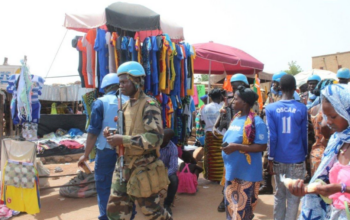
Amiet Market isn’t just a local trading hub; it’s a lifeline for communities across the border, supplying fuel, food, and medical supplies to regions affected by Sudan’s prolonged civil war. The market’s role in fuel distribution, in particular, may have made it a perceived strategic asset for military actors, though merchants insist it operates as a purely civilian space. The presence of fuel tanks and trading stalls created a volatile environment, complicating rescue efforts as flames engulfed parts of the market.
According to market leaders interviewed on-site, the assault began around 11:30 a.m. local time, with drones reportedly striking multiple sections simultaneously. Eyewitnesses described the chaos as market-goers fled in panic, leaving behind charred remains and abandoned goods. Fuel leaks worsened the destruction, while thick smoke obscured the search for victims, delaying recovery operations.
South Sudan’s swift diplomatic response masks deeper tensions
Within hours of the strike, South Sudan summoned Sudan’s ambassador in Juba to deliver an official protest, framing the attack as a direct violation of regional stability. While the government refrained from announcing retaliatory measures, the summoning underscores the fragility of ties between the two nations, which remain locked in a decades-long dispute over Abyei’s status. Officials emphasized the need to resolve conflicts through existing diplomatic frameworks, though historical grievances suggest such mechanisms have repeatedly fallen short.
The statement issued by South Sudan’s foreign ministry condemned the attack in the strongest terms, calling for an independent investigation to hold those responsible accountable. However, the absence of an immediate Sudanese response indicates potential uncertainty or even denial of involvement, leaving diplomats in a standoff with no clear path to de-escalation.
Abyei’s unresolved status: a powder keg of regional instability
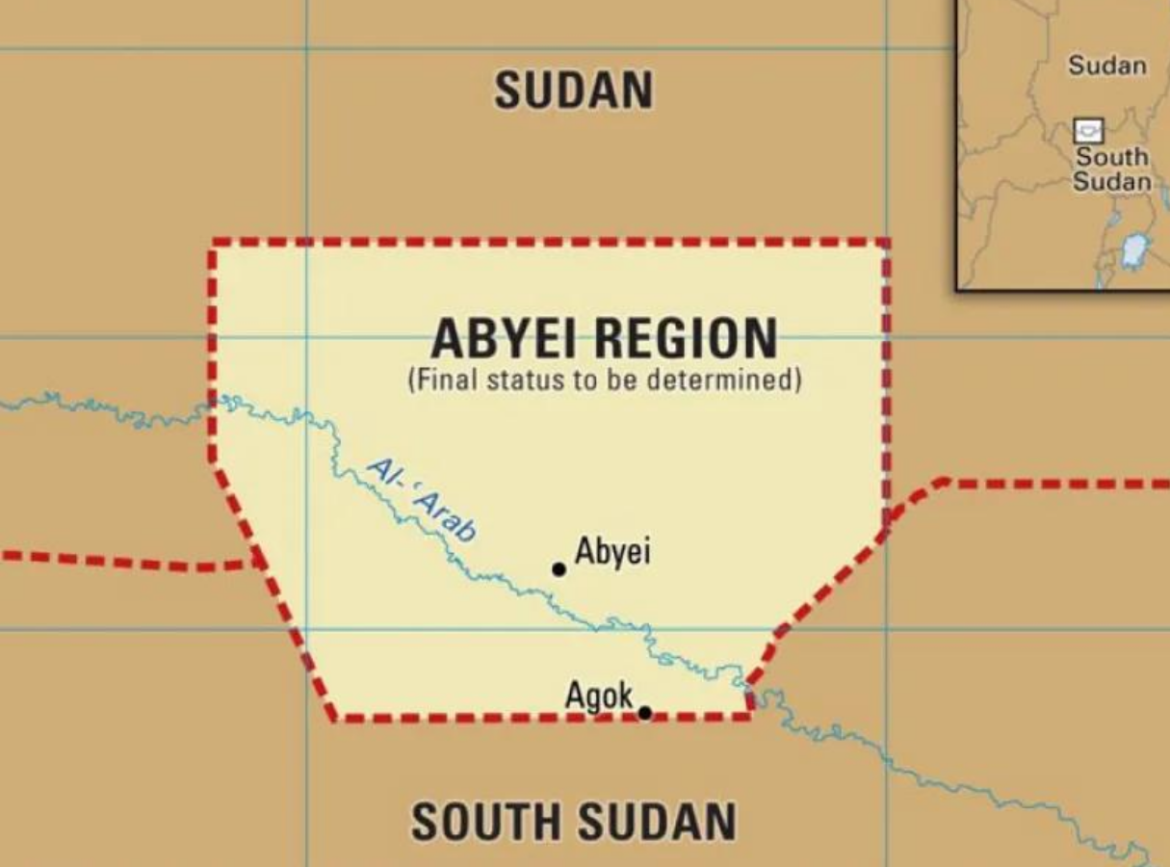
Abyei’s contested territory has long been a flashpoint in Sudan-South Sudan relations, fueled by competing claims over oil reserves, citizenship laws, and ethnic loyalties. The region’s provisional arrangements, established after South Sudan’s 2011 independence, have failed to deliver a lasting resolution, exacerbating tensions. With Sudan’s ongoing civil war displacing thousands and disrupting cross-border trade, Abyei’s volatility has only intensified, turning it into a pawn in a larger geopolitical struggle.
Local analysts warn that the drone strike could mark a turning point in this protracted conflict. Unlike previous skirmishes, the use of aerial drones—often associated with precision targeting—contrasts sharply with the indiscriminate nature of the assault on Amiet Market. This discrepancy points to deeper, possibly calculated motives that go beyond conventional military objectives, hinting at a calculated attempt to disrupt regional trade networks or provoke a crisis.
The human cost: who pays the price for unresolved conflicts?
While diplomats deliberate, the victims of the Amiet Market attack bear the immediate consequences. Families mourn the loss of loved ones, while survivors navigate the wreckage in search of missing relatives. The provisional death toll, already staggering, is expected to rise as emergency teams continue their work. Meanwhile, the lack of clarity surrounding the strike’s targets and justification deepens the trauma for a community already scarred by displacement and economic hardship.
The international community’s silence on the matter raises concerns about accountability. International humanitarian law mandates the protection of civilians in conflict zones, yet repeated violations in Abyei suggest enforcement remains inconsistent. Without a credible investigation or pressure from global actors, the cycle of violence risks normalizing the targeting of unarmed civilians in disputed territories.
What’s next? Pathways out of the crisis
The coming days will reveal whether this tragic incident sparks meaningful action or merely adds another layer of distrust between Khartoum and Juba. For now, multiple pathways remain on the table: a joint fact-finding mission, renewed peace talks, or even targeted sanctions against responsible parties. Yet, given the historical patterns of blame-shifting and delayed responses, optimists are few.
As the smoke clears over Amiet Market, one truth emerges: the cost of unresolved territorial disputes is measured in human lives. Whether this attack becomes a catalyst for change or another forgotten tragedy may depend on the choices made in the coming weeks by both governments—and the international community watching from the sidelines.