After months of escalating tensions, Niger and its Chinese oil partners have finally resolved their long-standing dispute. The breakthrough follows intensive negotiations between Niamey and Chinese energy firms operating in the upstream sector and managing the pipeline transporting Nigerien crude to the Atlantic. This agreement marks the end of a crisis that emerged shortly after General Abdourahamane Tiani took power in July 2023, threatening the country’s primary source of foreign exchange.
Oil tensions flare under General Tiani’s leadership
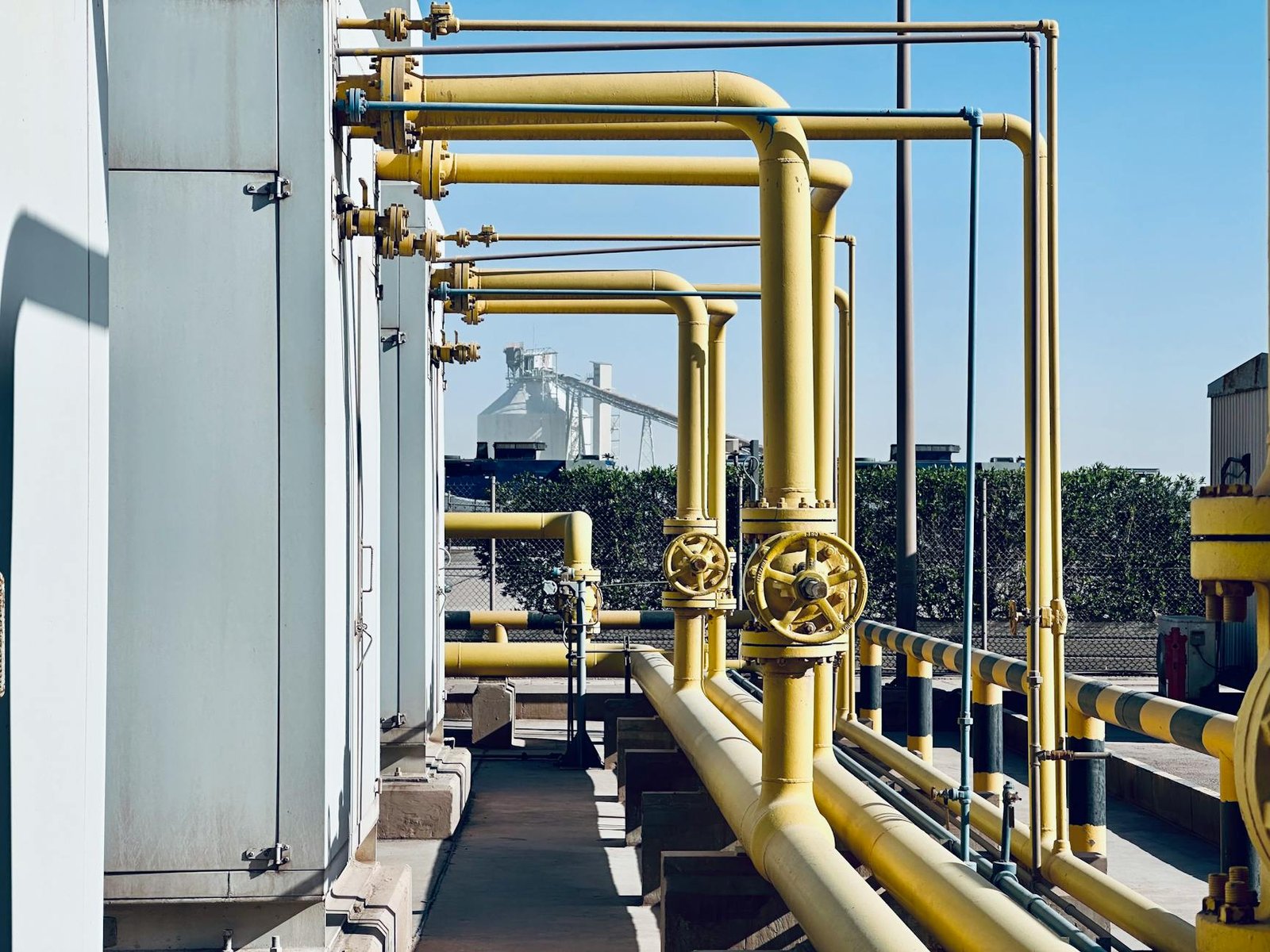
The rift between Nigerien authorities and Chinese operators centered on critical issues: financial contract terms, tax obligations, local governance of joint ventures, and employment conditions for expatriate staff. The China National Petroleum Corporation (CNPC), a long-standing player in Niger’s oil sector, holds key stakes in both the Agadem oil field and the pipeline linking southeastern Niger to the Port of Sèmè in Bénin. This nearly 2,000-kilometer pipeline, operational since 2024, was expected to position Niger among the region’s hydrocarbon exporters.
However, political strains between Niamey and Cotonou—stemming from the 2023 coup and subsequent regional sanctions—complicated the project’s execution. Chinese executives faced expulsions earlier this year, and work permits were revoked. Nigerien officials also accused their partners of delays in disbursing a $400 million advance tied to future crude sales.
Quiet diplomacy yields a Niamey-claimed victory
Behind-the-scenes talks involved envoys dispatched from Beijing and senior officials from Niger’s Ministry of Petroleum. Details emerging from the accord highlight revisions to tax structures, rescheduled financial commitments, and a renewed framework for Chinese personnel deployment on production sites. The transitional government frames this resolution as a triumph of economic sovereignty, achieved without severing ties with a strategic partner of nearly two decades.
The timing of the deal carries strategic weight. With regional instability persisting and several Western partnerships suspended, Niger views its oil revenue as a vital short-term economic stabilizer. Authorities anticipate a sharp rise in pipeline exports once logistical hurdles with Bénin are resolved and Chinese facilities resume full operations.
China strengthens its Sahel foothold
For Beijing, the resolution carries implications beyond Niger’s borders. The CNPC and its affiliates have poured billions of dollars into Niger’s oil infrastructure, and a failed agreement would have undermined China’s credibility in other Sahelian markets restructuring their mining and energy partnerships. Conversely, a negotiated settlement—without rupture with a military-led regime—reinforces China’s image as a pragmatic partner, resistant to interference and capable of equal engagement with internationally contested governments.
Yet unresolved challenges remain. Until relations with Cotonou fully normalize, crude volumes routed through Sèmè will fall short of the pipeline’s 90,000-barrel-per-day capacity. Niamey is exploring alternatives, including a potential link through Chad, though industrial feasibility remains distant. The agreement with Chinese firms provides temporary relief, but systemic bottlenecks in the sector persist.