The inaugural Senegal Space Week kicked off in Dakar with a bold mission: transforming the nation into a leading African hub for space and technology. Led by the Senegalese Space Studies Agency (ASES), this maiden edition brings together government officials, industry leaders, academics, and international partners to explore the strategic applications of space technology. The event builds on momentum from 2023, when Senegal launched GaindeSAT-1A—the country’s first satellite, developed in collaboration with local engineers.
Space ambitions tied to technological sovereignty
Senegalese authorities are positioning the space sector as both a driver of sovereignty and economic growth. Priorities include Earth observation, telecommunications, natural resource management, and maritime surveillance—areas critical to agriculture, urban planning, and fisheries. By nurturing domestic expertise, Dakar aims to reduce reliance on foreign satellite data providers for services like geolocation and imagery.
This strategy aligns with a broader African movement: over 20 nations now have space programs, and the African Space Agency, headquartered in Cairo, was officially launched in 2023. While Senegal entered the space race later than others, it’s focusing on niche strengths—nanosatellites, data analytics, and workforce development—rather than building a full-scale space industry.
Training engineers and attracting investment
A core focus of the Space Week is building a skilled workforce. Senegal’s universities, including Cheikh Anta Diop University and the École Polytechnique de Thiès, are rolling out space technology training programs. The goal is to cultivate engineers capable of designing, operating, and leveraging orbital systems. Partnerships with foreign agencies—including Turkish and French entities—are accelerating this effort.
The conference also serves as a platform to woo private investors. Organizers are engaging with venture capital firms and satellite service providers, as the African space market is projected to exceed $22 billion by 2026. Demand for connectivity, geospatial data, and climate services is fueling growth. Dakar is positioning itself as a regional gateway, leveraging its West African ties and Atlantic maritime routes to attract investment.
Regional competition and the path ahead
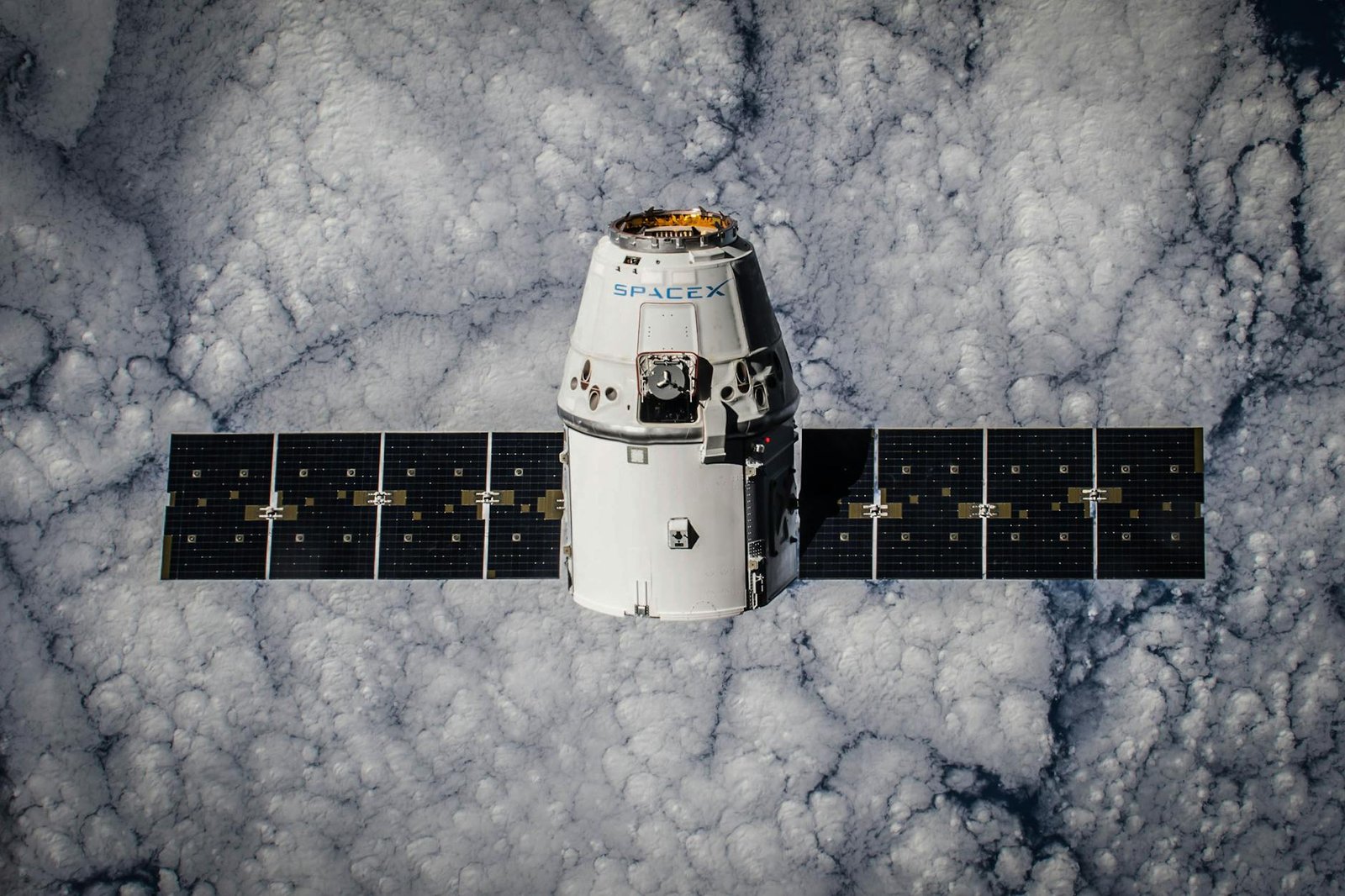
Senegal’s ambitions face stiff competition from established players like Nigeria, South Africa, Egypt, and Morocco—all of which boast mature space agencies, operational satellites, and industrial ecosystems. Rwanda, for instance, has partnered with OneWeb and SpaceX to expand low-altitude constellation connectivity. To stand out, Senegal is banking on its political stability, Francophone appeal, and membership in ECOWAS to offer investors a reliable entry point.
The question of public funding remains. While ASES’ budget is modest compared to regional peers, post-2024 budget decisions will shape priorities. Officials emphasize a hybrid model combining subsidies, public-private partnerships, and international cooperation. Several contract announcements—particularly in agricultural imaging and coastal surveillance—are expected by week’s end.
Beyond economics, the Space Week doubles as a diplomatic showcase. By hosting delegations from Africa, Europe, and Asia, Dakar is signaling its intent to join the ranks of African capitals shaping digital and space sovereignty. Success hinges on translating political momentum into tangible industrial orders and sustainable scientific programs.