
How Assimi Goïta consolidated control in Mali following the April 25 attacks
In the aftermath of the violent incidents that shook Bamako on April 25, 2026, Malian transitional leader Assimi Goïta swiftly moved to strengthen his grip on power. The coordinated assaults, which targeted key military installations, left the nation on edge and exposed vulnerabilities in the security apparatus. Within days, Goïta’s administration rolled out a series of strategic measures designed to reinforce stability and assert authority.
Immediate response to the crisis
The transitional government wasted no time in responding to the turmoil. Emergency security protocols were activated as armored units secured critical government buildings and public spaces. Military leadership underwent rapid restructuring, with key commanders repositioned to ensure tighter oversight of operational zones. These steps were framed as necessary to prevent further destabilization and restore public confidence.
Political maneuvers amid uncertainty
Beyond military adjustments, Goïta’s team executed a carefully calibrated political strategy. High-profile dismissals in the defense and intelligence sectors signaled a purge of perceived weak links. Simultaneously, consultations with allied factions within the transitional council were intensified to consolidate support. Public statements emphasized unity, portraying the measures as essential for Mali’s long-term recovery.
Strengthening alliances at home and abroad
On the diplomatic front, Bamako reinforced ties with regional partners, particularly those contributing to the Africa Corps mission. Discussions with neighboring states focused on coordinated counterterrorism efforts, highlighting Mali’s commitment to collaborative security frameworks. Meanwhile, international actors, including those from Russia, were engaged to bolster logistical and advisory support.
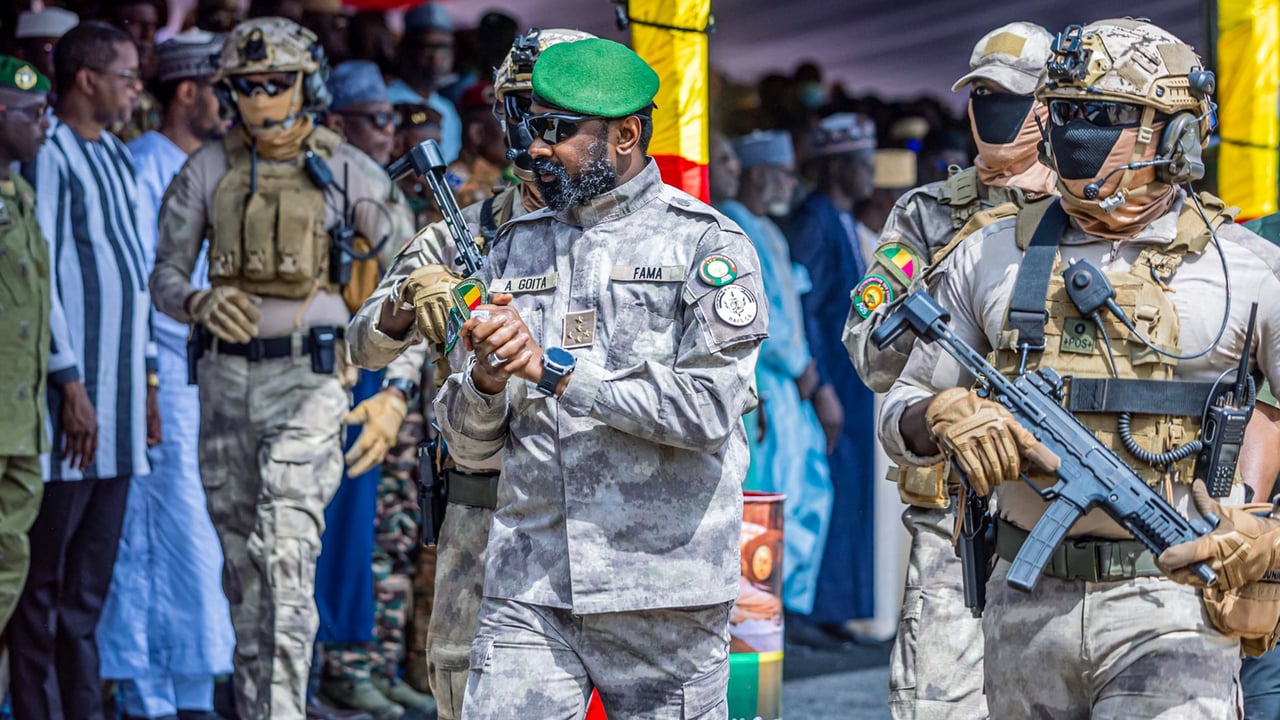
The funeral of fallen military leader Sadio Camara on April 30 became a symbolic moment. Goïta’s presence, standing alongside high-ranking officials, underscored his role as the unifying figure in a fractured landscape. The event was meticulously stage-managed to project strength and resolve in the face of adversity.
Public perception and long-term implications
While the government framed its actions as protective measures, critics questioned the speed and scope of the changes. Some observers warned that the centralization of power risked undermining the transitional framework that Mali was meant to follow. Yet, with security remaining the top priority, Goïta’s approach appears calculated to ensure his leadership remains unchallenged as the country navigates a perilous period.
The events of late April have set a precedent for how Mali’s transitional government intends to govern moving forward—prioritizing control and stability above all else.