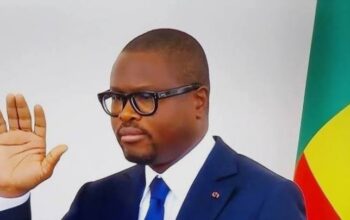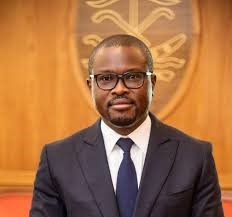
Romuald Wadagni’s strategic leadership team unveiled in Cotonou
Within eight days of his inauguration, President Romuald Wadagni has begun assembling his presidential team. This carefully structured cabinet combines technical expertise with symbolic appointments, reflecting a seven-year mandate built on discipline, security, and inclusivity.
Inaugurated on May 24, 2026, President Wadagni swiftly established a team of technocrats and senior officials through a series of decrees. This new administration balances specialized knowledge with robust security protocols, demonstrating a governance approach that merges professionalism with national symbolism.
Military and security: Breaking new ground
Captain Elvire Toupé: A historic appointment
Captain Elvire Toupé has been named aide-de-camp to the President, a groundbreaking decision as the first woman to hold this critical role in Benin’s history since independence in 1960. Beyond symbolism, her appointment underscores military excellence and opens pathways for women in leadership positions.
As aide-de-camp, Captain Toupé serves as the President’s constant shadow, overseeing 24/7 security protocols, access control, and coordination of the close protection detail. This role transcends ceremonial duty, positioning her as a key figure in the executive security apparatus.
General Bertin Bada: Strategic defense leadership
Appointed Head of the President’s Defense and Security Council via Decree N° 2026-324 on May 28, 2026, General Bada brings extensive expertise in geopolitical threats and regional surveillance. His prior experience as Military Chief of Staff under the previous administration ensures continuity in security strategy, with a focus on national defense and presidential decision-making.
General Djimon Dieudonné Tévoèdjrè: A pillar of stability
Reappointed as Commander of the Republican Guard through Decree N° 2026-323, General Tévoèdjrè continues his mission of protecting the President, senior officials, and national institutions. His leadership emphasizes vigilance, discipline, and modernization of security operations around the Head of State.
Colonel Major Chahounka: Bridging the military and presidency
Colonel Mètohokan Gabin Abel Chahounka has been named Head of the President’s Military Cabinet via Decree N° 2026-322. This role serves as the critical link between the President, as Commander-in-Chief, and the Ministry of Defense. Colonel Chahounka will ensure efficient transmission of presidential orders, operational monitoring, and management of military personnel attached to the presidency, bolstering the state’s security apparatus.
Political affairs and communication: Shaping the narrative
Fiacre Vidjingninou: Crafting the presidency’s voice
Fiacre Vidjingninou has been appointed Director of Presidential Communication through Decree N° 2026-325. A seasoned media strategist, he will shape the public image of the Wadagni administration, ensuring a dynamic and transparent communication policy in the digital age. His role is pivotal in maintaining trust between the government and Beninese citizens.
Gaston Dossouhoui and Modeste T. Kérékou: Political advisors at the helm
Appointed as Special Advisors to the President for Political Affairs via Decree N° 2026-328, Gaston Cossi Dossouhoui and Modeste Tihounté Kérékou bring deep political acumen and grassroots experience. Their mission is to bridge the executive with political forces, civil society, and local authorities, ensuring reforms align with public expectations while mitigating tensions.
Their dual appointment signals a strategic approach to governance, balancing political navigation with national cohesion.
A mandate rooted in expertise and symbolism
President Wadagni’s cabinet reflects a deliberate blend of continuity and innovation. By reconfirming key military and security figures while introducing groundbreaking appointments like Captain Toupé’s, the administration signals both stability and progress. The inclusion of political advisors underscores a commitment to inclusive governance, ensuring policies resonate with the diverse fabric of Beninese society.
This structured approach positions the presidency to address the nation’s challenges with precision, accountability, and a forward-looking vision.