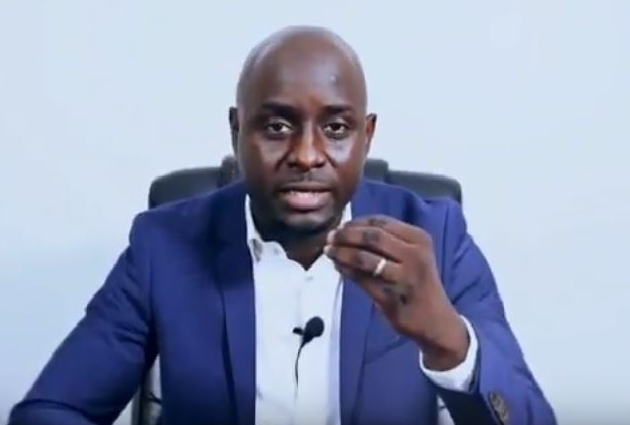
The finalization of Senegal’s technical agreement with the International Monetary Fund (IMF) has intensified political discussions across the country. Thierno Bocoum, leader of the Agir-Les Leaders movement, is calling for full transparency regarding debt management and the conditionalities tied to the new financial program.
In a public statement, Bocoum emphasized the urgent need for the release of the memorandum outlining economic and financial policies. Alternatively, he proposed that the document be formally submitted to the National Assembly to facilitate a comprehensive debate on the commitments made on behalf of all Senegalese citizens.
Bocoum’s critique extends beyond the current administration, targeting historical figures he believes contributed to the country’s financial challenges. He specifically named Ousmane Sonko and Abdourahmane Sarr, accusing them of playing key roles in the decisions that led to the current debt and IMF-related difficulties.
Sonko’s tenure and its impact on debt negotiations
According to Bocoum, Ousmane Sonko’s term as Prime Minister from April 2, 2024, to May 22, 2026, was pivotal in shaping Senegal’s negotiations with the IMF. He contends that Sonko was directly involved in the discussions preceding the suspension of the previous program, which he argues exacerbated the country’s financial instability.
Bocoum also revisited the September 2024 revelation of alleged irregularities in debt data, asserting that this disclosure further destabilized Senegal’s economic standing and triggered the IMF’s decision to suspend financial support.
Additionally, he highlighted concerns over Senegal’s reliance on regional market financing at rates he describes as significantly higher than those offered through concessional loans.
Criticism of Abdourahmane Sarr’s shifting stance
Thierno Bocoum also scrutinized the positions of Abdourahmane Sarr, the former Minister of Economy, Planning, and Cooperation. He pointed out what he sees as a contradiction in Sarr’s public statements regarding the sustainability of Senegal’s debt.
Bocoum recalled that Sarr previously championed the viability of Senegal’s debt and the credibility of its reduction strategy. However, in recent statements, Sarr acknowledged the need for corrective measures to restore debt sustainability—a shift Bocoum interprets as an admission of past mismanagement.
In his view, the cumulative decisions of these officials have directly contributed to the financial challenges Senegal faces today. His remarks come at a critical juncture, as the country has just secured a landmark technical agreement with the IMF, marking a new phase in its economic reform program.