N’Djamena’s youth: a struggle for survival amidst sand and sweat
In N’Djamena, young Chadians are increasingly turning to the demanding sand trade as a means of survival, highlighting the severe precarity driven by widespread unemployment.
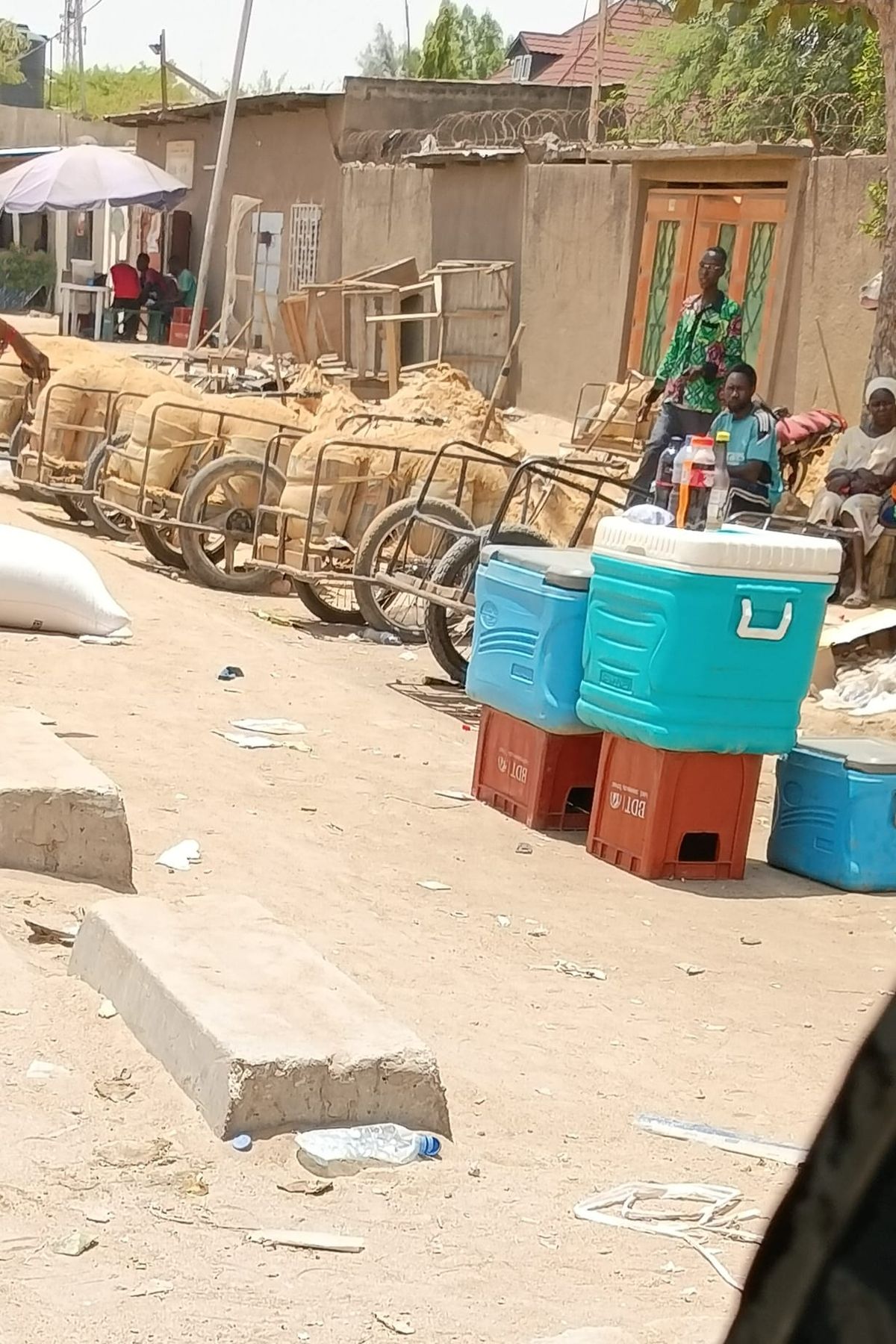
The pervasive issue of joblessness is compelling a generation of young people in Chad’s capital, N’Djamena, to pursue physically demanding occupations for their livelihood. At the bustling Emtoukoui market in the 7th arrondissement, dozens of young men engage in the arduous trade of sand, transforming it into their daily income. This backbreaking labor, far removed from conventional office settings, is an absolute necessity to secure food for their families.
Macroeconomic forecasts for Chad indicate a concerning trend, with the poverty rate projected to reach 45.4% of the population. This translates to approximately 9.5 million individuals living in extreme poverty across the nation, underscoring the severe economic challenges faced by many.
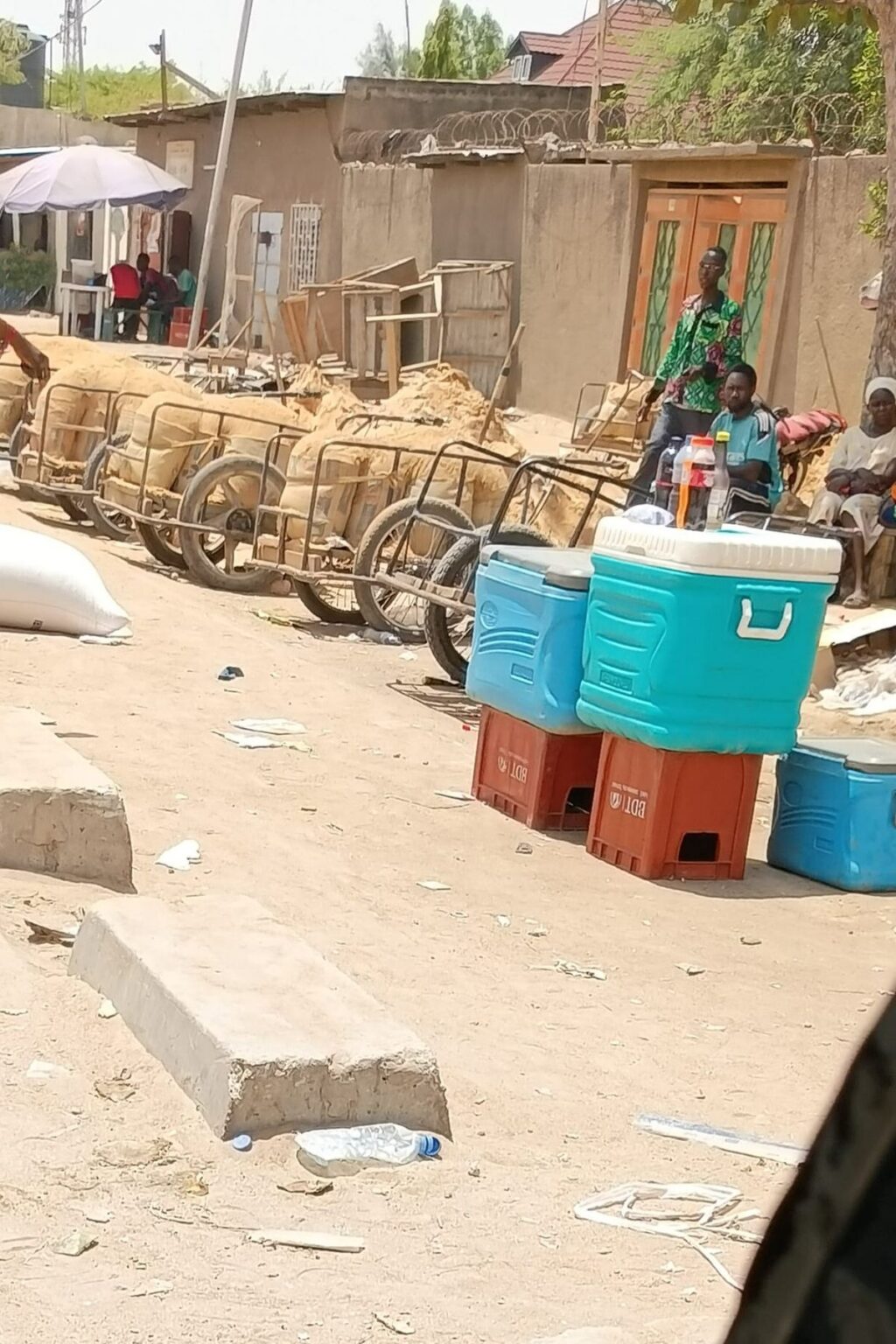
Under the relentless glare of the sun, along the paved road of the Emtoukoui market, a familiar scene unfolds. Rows of heavily laden ‘porte-tout’ (pushcarts) stand idle, their operators patiently awaiting a potential customer. Nearby, faces etched with fatigue and a palpable sense of resignation scan the street for any sign of business. This is not a typical commercial exchange; it is the raw commerce of survival, manifested in the buying and selling of sand.
In Chad, statistics reveal a grim picture for youth employment. For those aged 15 to 24, the unemployment rate stands at a staggering 30.3%. The broader age bracket of 15 to 30 experiences an overall unemployment rate of around 22%, with over 60% of young graduates unable to find formal employment.
A daily grind powered by sheer willpower
For these young individuals, many of whom have encountered closed doors in the formal job market, sand has become their sole viable resource. The process is intensely physical, repetitive, and utterly draining. Sand is meticulously loaded into 50 kg sacks, then transported either by hand or with the aid of the indispensable ‘porte-tout’ — essential tools they push through neighborhoods, offering their services to anyone in need.
“We don’t choose this work out of passion, but out of absolute necessity,” one young man confided, his gaze shifting, bearing the visible marks of an exhausting day. “We have to eat, we have to survive. So, we push through, no matter how difficult it is.” The majority of these young people, many with limited formal education, strive to carve out a future through this activity, a path fraught with immense challenges.
An economy of ingenuity and struggle
The economic model, if it can be called such, remains precarious and unpredictable. Depending on the distance, the difficulty of the route, or the client’s negotiation skills, the price for a delivery fluctuates between 2,000 and 5,000 Central African CFA francs. This modest sum often barely reflects the immense physical exertion expended daily.
This situation powerfully illustrates the harsh reality confronting a segment of N’Djamena’s youth. In the absence of formal professional opportunities, the informal sector serves as the last defense against destitution. It transforms these young people into unseen laborers whose sweat literally helps build the capital’s daily life, often amidst widespread indifference.
In Emtoukoui and across the city, these young individuals are not seeking charity; they yearn for opportunity. Until that day arrives, they continue to scan for the next client, their ‘porte-tout’ loaded, their faces hardened by the weight of an uncertain future.
You may also like
Will Benin’s UCESIF gambit in Bucharest pay off for francophone social dialogue?
Niger’s sovereignty paradox: can the junta’s UN rhetoric survive the SOMAÏR and SONIDEP collapse?
South Africa’s mass shooting crisis: can Johannesburg and Cape Town ever feel safe again?
Senegal’s December 2, 2026: will Diomaye Faye dissolve parliament or play the long game?
Senegal’s 2026 budget revision: can Dakar still rescue its growth and investment agenda?