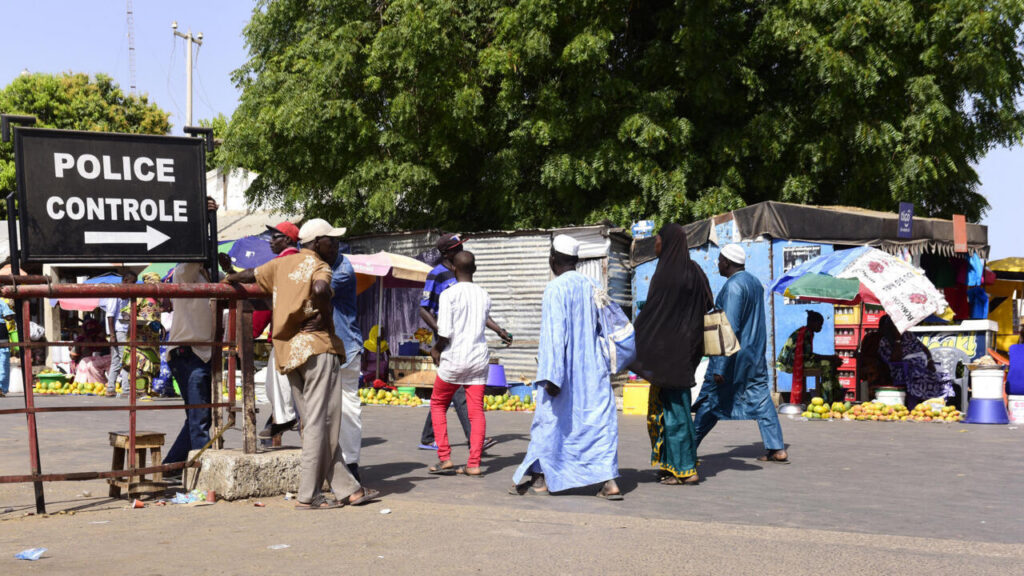
Senegal and Gambia resolve border tensions after Bullock incident
The Senegal–Gambia border has been a source of longstanding discussions, but an incident near Bullock has brought renewed urgency to resolving the boundary dispute. Both nations have now reached a final agreement to clarify their shared frontier, marking a significant step toward stability in the region.
The two governments have announced plans to resume joint border demarcation operations in mid-August. This initiative includes the installation of physical markers and a public awareness campaign aimed at local communities living along the frontier. But what sparked the recent tensions, and will this agreement bring lasting resolution?
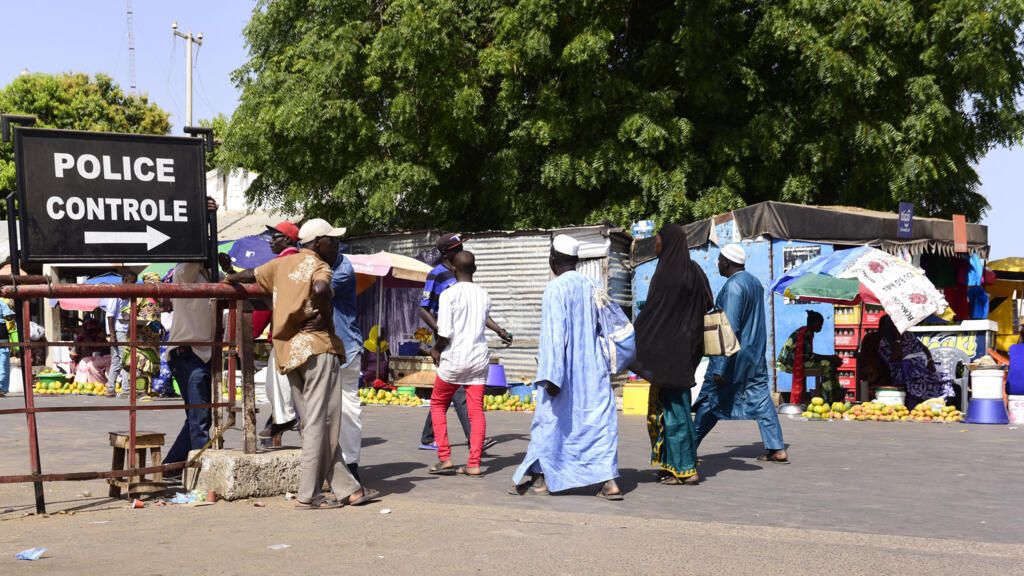
From incident to agreement: what happened in Bullock?
The border dispute between Senegal and Gambia is not new, but the recent incident near Bullock has intensified diplomatic efforts. While details remain under wraps, this event served as a catalyst, prompting both nations to revisit long-standing negotiations and finalize a definitive agreement.
The two countries have committed to restarting joint border demarcation work in mid-August. This effort will involve installing physical boundary markers and launching sensitization campaigns to inform border communities about the new demarcation. The goal is to prevent misunderstandings and reduce the risk of future conflicts.
Will the agreement hold? Potential points of friction remain
While the agreement represents progress, questions linger about its long-term effectiveness. Historical tensions and unresolved territorial claims could still pose challenges. The physical installation of border markers and public engagement will be critical in ensuring the agreement’s success.
Local communities living near the border are expected to play a key role in maintaining peace. Their cooperation with authorities will help prevent disputes over land use and resource access—common flashpoints in border regions.
With these measures in place, Senegal and Gambia are taking proactive steps toward lasting stability along their shared frontier.
You may also like
Mali: can justice deliver for civilians after Amnesty’s war crimes findings?
Mali’s fuel lifeline: can a single BOAD loan of 8 billion CFA truly steady the nation’s energy sector?
Burkina Faso’s gold refinery: a genuine step toward sovereignty or a new form of dependence?
Niger’s competitive dialogue at three years: reform breakthrough or just paperwork?
Can Benin’s UN push for security cooperation and multilateralism deliver on its promises?