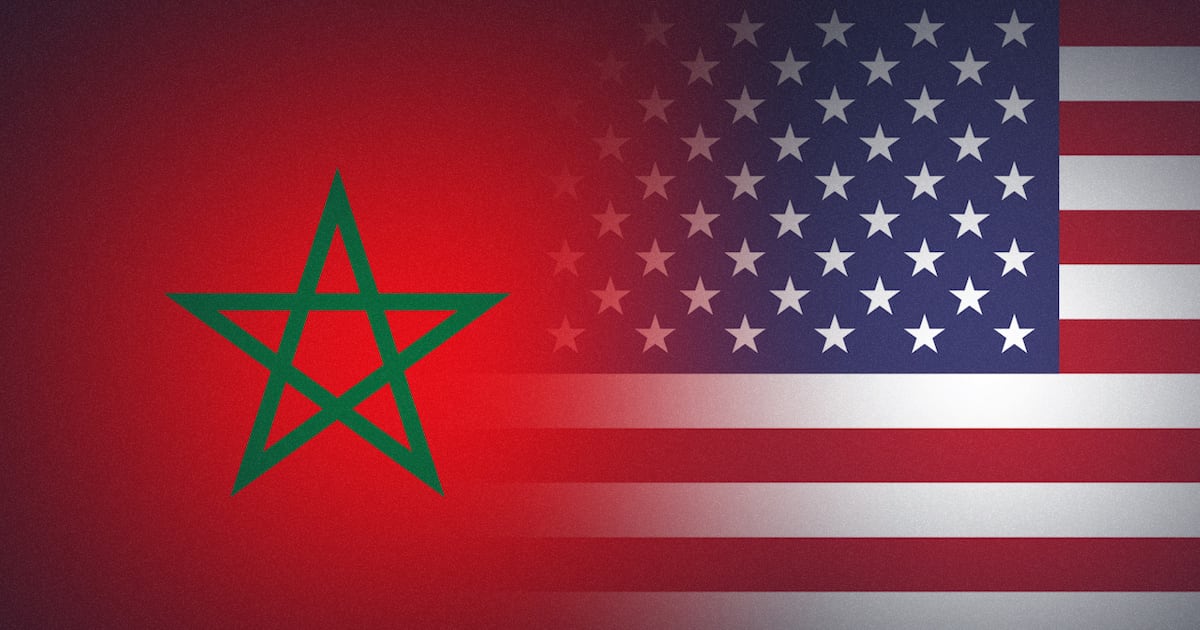
The enduring partnership between Morocco and the United States traces its roots to a foundational alliance established in 1786, when the newly independent American nation and the Kingdom of Morocco forged an official treaty of friendship. For over two and a half centuries, this relationship has flourished into a robust framework of collaboration, with political alignments today underscoring unwavering support for Morocco’s sovereignty over the Sahara.
Marking the 250th anniversary of American independence, King Mohammed VI conveyed a message of congratulations to then-President Donald Trump. In this diplomatic correspondence, the Monarch highlighted the rich and fruitful nature of bilateral ties and proudly recalled Morocco’s role as the first nation to recognize the sovereignty of the fledgling United States. The King also expressed profound gratitude for the U.S. recognition of Morocco’s sovereignty over the Sahara, describing the decision as an act “etched into the memory of Moroccans.” He emphasized that these ties, strengthened by deep-rooted friendship and mutual loyalty, reached unprecedented heights during Trump’s two terms in office.
On the security and defense front, the Monarch praised the cooperation between Rabat and Washington as a model of excellence, citing the African Lion military exercise as a prime example. He also celebrated the historic milestones achieved in bilateral trade, which have transformed the two nations into vital economic partners. This exceptional longevity and intimacy in relations did not emerge by chance: Morocco was the first to recognize the United States after its independence in 1783, following six years of conflict with Britain. During America’s Civil War, the Kingdom remained steadfast in opposing any attempt at secession, refusing to acknowledge the legitimacy of divided factions. Furthermore, Moroccan authorities complied with U.S. requests to pursue separatists who landed in Tangier while preventing them from using Moroccan ports as staging grounds.
Such steadfastness toward a distant power stands as a diplomatic legacy of unparalleled significance—a political heritage and bilateral cooperation model without parallel. It is a bond that must be celebrated, revitalized, and shared globally, even leveraged to advance the just causes of the Nation. This enduring commitment represents a lasting debt that Americans owe Morocco, one that successive generations are duty-bound to honor. It is a debt that should preclude any actions or decisions capable of undermining Morocco’s interests, sovereignty, or territorial integrity.