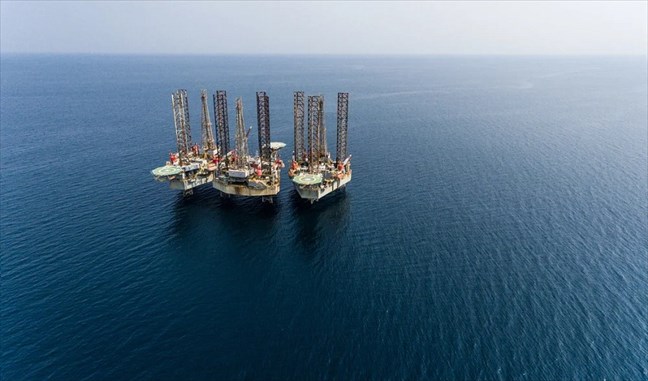

The Organization of the Petroleum Exporting Countries (OPEC) witnessed a sharp rebound in oil production during June, with its 11 member nations collectively pumping 19.43 million barrels per day. This surge represents a 3.3 million barrel increase from May, when output had plummeted to its lowest point since at least 2000. The recovery stems from Kuwait and Iran gradually restoring capacities, with Tehran resuming exports after the lifting of U.S. naval blockades on its ports. While this signals a global recovery, Gabon’s state coffers remain untouched by these developments.
The disparity lies in the nature of this rebound. Rather than being demand-driven, it reflects a post-crisis catch-up in the Strait of Hormuz. Additionally, OPEC+ has raised production targets for August, a move that has exerted downward pressure on prices amid fears of oversupply. These concerns are compounded by record U.S. production nearing 14 million barrels per day. In a market rebalancing at lower levels, smaller producers like Gabon struggle to benefit, as the country’s income relies more on oil prices than on global trading volumes.
This situation coincides with Gabon’s already strained fiscal trajectory. The 2026 budget revision has slashed projected expenditures from 6,358.9 billion to 5,495.2 billion Central African CFA francs, based on conservative price assumptions. Oil revenues have declined by 35% between 2023 and 2026, a structural drop tied to falling Gabonese crude prices and fluctuating production volumes in recent years. The fiscal margin was already constrained before this latest price pressure emerged.
To counter this imbalance, Libreville is pivoting toward a volume-based strategy instead of waiting for price rebounds. The Ngongui field, launched in April, has added 10,000 barrels per day, pushing the site’s output beyond 60,000 barrels daily. Meanwhile, Assala Gabon, a subsidiary of Gabon Oil Company, targets a 22% production increase through the development of the Grand N’Gongui field.
This push aligns with Gabon’s energy sovereignty goals, reinforced by the acquisition of Assala Energy and Tullow Oil’s assets. The strategy prioritizes greater domestic control over production to capture more value per barrel. With prices remaining low, the volume-driven approach has become less of an option and more of a necessity compared to a year ago. In the coming weeks, key indicators to watch will include Gabon-specific oil price assessments from the Directorate General of Economic and Financial Forecasting (DGEPF) and the Bank of Central African States (BEAC), as well as the actual ramp-up rate of the Ngongui and Grand N’Gongui fields.