Growing Demand Meets Sustainable Supply in Bamako’s Organic Markets
In Bamako, Mali’s bustling capital, a quiet revolution is reshaping how residents shop for groceries. The Resapac network—short for the Réseau solidaire en agroécologie paysanne et citoyenne—has spent over a decade perfecting a model where organic produce travels directly from farm to table. This approach doesn’t just prioritize fresh, chemical-free food; it ensures farmers receive fair compensation while empowering consumers to make informed choices.
How Resapac’s Short Supply Chains Are Transforming Agriculture
At the core of Resapac’s success is its three-tier system connecting producers, processors, and buyers through transparent, short supply chains. By eliminating middlemen, the network cuts costs and fosters trust between farmers and urban shoppers. Four dedicated markets—Sotuba, Badalabougou, Magnambougou, and Hippodrome—now serve as hubs for this ethical food ecosystem.
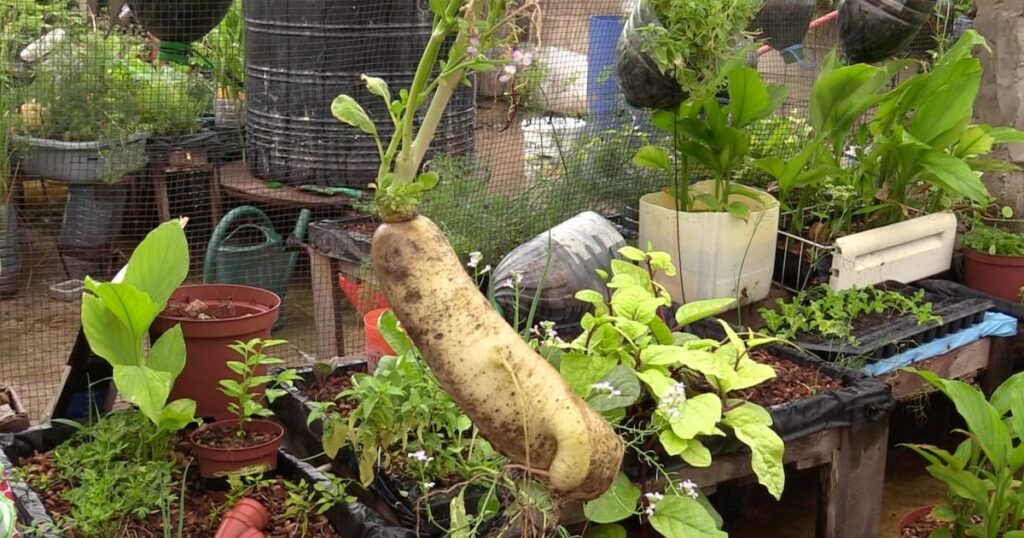
For Abdoulaye Sacko, a vegetable farmer who joined Resapac a decade ago, the shift to organic farming was life-changing. Partnering with Mali Engrais (a local organic fertilizer cooperative) allowed him to cultivate tomatoes, peppers, and leafy greens without synthetic pesticides. “The network gave me direct access to consumers who value quality over quantity,” Sacko says. “My income doubled, and my produce stays fresh longer because we avoid harmful chemicals.”
Why Organic? The Health and Economic Case
Djènèba Diallo, Resapac’s market coordinator, highlights a growing awareness among Bamako’s shoppers. Many are turning away from conventional produce, which often relies on heavy pesticide use and spoils within 24 hours. “Organic fruits and vegetables not only taste better but last up to a week longer,” she explains. “Consumers here are learning that supporting local farmers means better food—and a healthier city.”
Resapac’s model also addresses a critical gap in Mali’s food system: fair wages for rural producers. By selling directly at urban markets, farmers like Sacko bypass exploitative supply chains, ensuring they earn a living wage while meeting the city’s demand for clean, traceable food.
A Movement Gaining Momentum
What began as a single stall in Sotuba has grown into a network of four markets, with plans to expand further. Shoppers like Diallo’s cardiologist friend—who discovered Resapac via a Facebook post—are just one example of how word-of-mouth is fueling this green revolution. “People want to know where their food comes from,” Diallo notes. “They’re tired of mystery produce and unnecessary chemicals.”
As Mali’s urban population swells, initiatives like Resapac offer a blueprint for balancing growth with sustainability. For farmers, it’s a chance to reclaim their livelihoods. For consumers, it’s a path to healthier, more responsible eating. And for the country, it could be the start of a food future that nourishes both people and the planet.
You may also like
Cameroun’s douala-bafoussam highway in critical condition
Gabon debates dignity after attacks on president’s mother
Chad tackles gender-based violence with new victim support mapping in N’Djamena
Rising cost of living in Chad: economist calls for market price monitoring
Benin traditional leaders: trusted figures but urged to stay out of politics