Mali: army and russian-backed Wagner group accused of mass killings and enforced disappearances of peul civilians
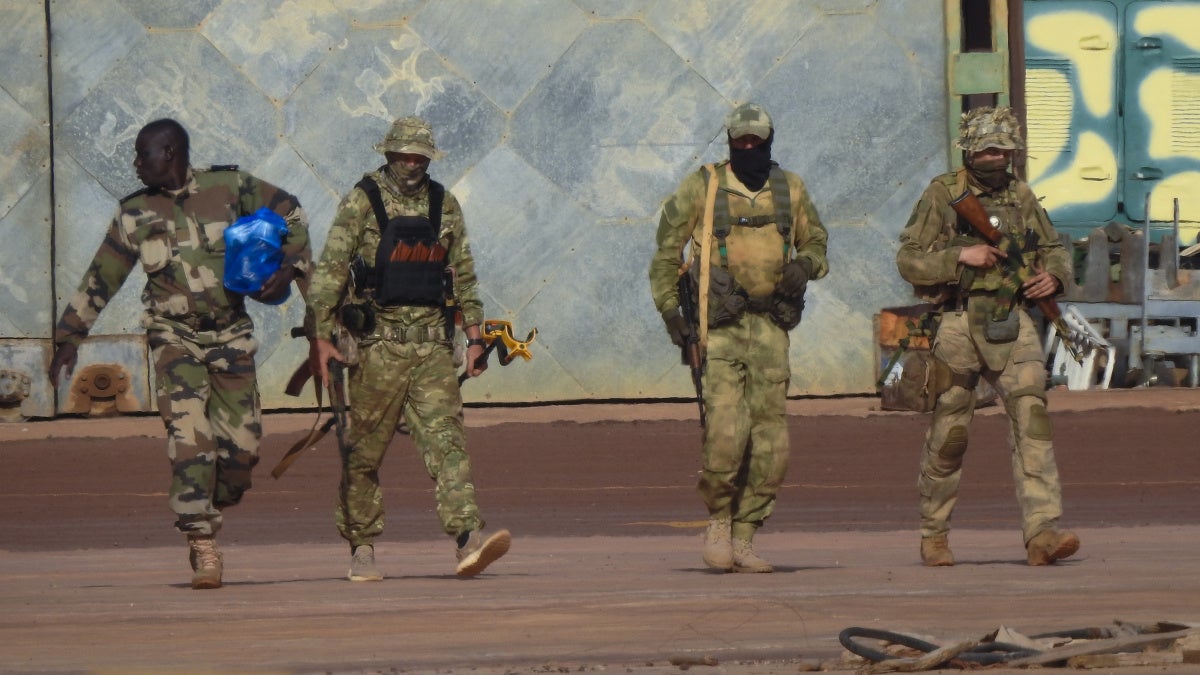
Since January 2025, Malian armed forces and their Russian-backed ally, the Wagner Group, have been implicated in systematic execution-style killings and enforced disappearances targeting Peul civilians in multiple regions of Mali. These alleged atrocities, documented by human rights organizations, accuse security forces of targeting the Peul community under the pretext of alleged collaboration with Islamist armed groups.
allegations of war crimes and civilian targeting
- Malian troops and Wagner fighters have carried out dozens of summary executions and forced disappearances against Peul men since the beginning of 2025.
- Security forces have accused the Peul community of supporting Islamist armed groups, including the Group for the Support of Islam and Muslims (GSIM/JNIM), without providing credible evidence.
- Victims include farmers, traders, and elderly individuals, many of whom were executed after being detained or forcibly taken from their homes.
regional and international condemnation
Human rights groups are calling for urgent action to hold perpetrators accountable, including:
- Immediate investigations into all reported incidents.
- Pressure on the Malian junta to ensure fair prosecutions of those responsible.
- Protection of civilians from abuses by all armed groups operating in Mali.
The African Union is urged to intensify efforts to protect civilians and support accountability mechanisms, particularly as Mali’s withdrawal from ECOWAS limits regional legal recourse for victims.
documented atrocities across multiple regions
Human rights researchers have gathered testimonies and evidence from survivors and witnesses detailing horrific incidents in several areas:
kobou (january 2025)
On January 23, Malian soldiers entered Kobou village, allegedly searching for GSIM fighters. Witnesses reported that soldiers executed three Peul men, including two elderly individuals found with their hands bound and blindfolds over their eyes. At least 30 homes were set ablaze during the operation.
“We Peuls all fled because we know soldiers will target us—they see us as jihadists. If you don’t run, jihadists will kill you for helping the army. No one spares us.”
farana (march 2025)
On March 26, soldiers arrested four Peul men near a river in Farana, subjecting them to severe beatings before their likely execution. Witnesses described finding a “bloodbath” with human remains, including brain matter and bloodstains on weapons.
“It looked like an abattoir. There was blood everywhere, flesh stuck to branches—it was horrifying.”
sebabougou (april 2025)
On April 12, Malian forces and Wagner fighters detained at least 100 Peul men in Sebabougou, accusing them of ties to Islamist groups. Survivors reported that most were executed at a nearby military camp, with relatives later discovering 43 decomposing bodies near the facility.
kourma (march 2025)
On March 19, soldiers and Wagner mercenaries rounded up 12 Peul men at a livestock market in Kourma, blindfolding and binding them before transporting them to an unknown location. Relatives reported no further information about their fate.
belidanédji and molodo (march 2025)
On March 30, soldiers and Wagner fighters executed six Peul civilians in Belidanédji after clashing with GSIM fighters. Survivors described soldiers executing unarmed men, including an elderly man who died two days after being shot. Others were detained in secret containers at a nearby military base.
sikere (may 2025)
On May 14, Malian forces, Wagner fighters, and allied Dozo militiamen raided Sikere village, arresting Peul and Rimaïbé men. Four were executed in a mosque courtyard, with witnesses reporting threats of further violence against remaining villagers.
legal and humanitarian implications
These actions violate international humanitarian law, including the Geneva Conventions, which prohibit murder, torture, and enforced disappearances. The International Convention for the Protection of All Persons from Enforced Disappearance, to which Mali is a signatory, has been blatantly disregarded.
The International Criminal Court (ICC), which has an ongoing investigation into war crimes in Mali since 2012, may pursue accountability for these latest atrocities. Analysts warn that both Malian and Russian officials could face future prosecutions for their roles in these crimes.
background: the malian conflict and russian involvement
Since a 2021 military coup, Mali’s junta has relied on the Wagner Group for counterinsurgency operations against Islamist armed groups. Despite denials from Malian officials, evidence—including admissions from Russian authorities—confirms Wagner’s presence and participation in military operations.
In June 2025, Wagner announced its withdrawal from Mali, with its forces reportedly being replaced by the Africa Corps, a Russian-controlled paramilitary group. This transition coincides with escalating attacks by Islamist groups and Tuareg separatists, further destabilizing the region.
urgent calls for justice
Human rights advocates emphasize that the Malian junta must:
- End abuses and disclose the whereabouts of all detained individuals.
- Ensure transparent investigations and prosecutions of perpetrators.
- Provide reparations to victims’ families.
Failure to act risks further civilian suffering and potential ICC intervention. As one researcher noted:
“Top Malian and Russian officials must recognize that they could be held accountable for crimes committed by their forces. Whether through African Union pressure or ICC action, those linked to these atrocities may face justice in the future.”
For detailed findings and further reading, explore the full report on civilian abuses in Mali.