In Burkina Faso, the impact of sickle cell disease is significant, with a prevalence rate of approximately 4.63%. Alarmingly, nearly 2% of infants are born with the SS form, which is the most aggressive variation of the condition. Addressing this health crisis requires a unified, multi-sector approach involving every level of society.
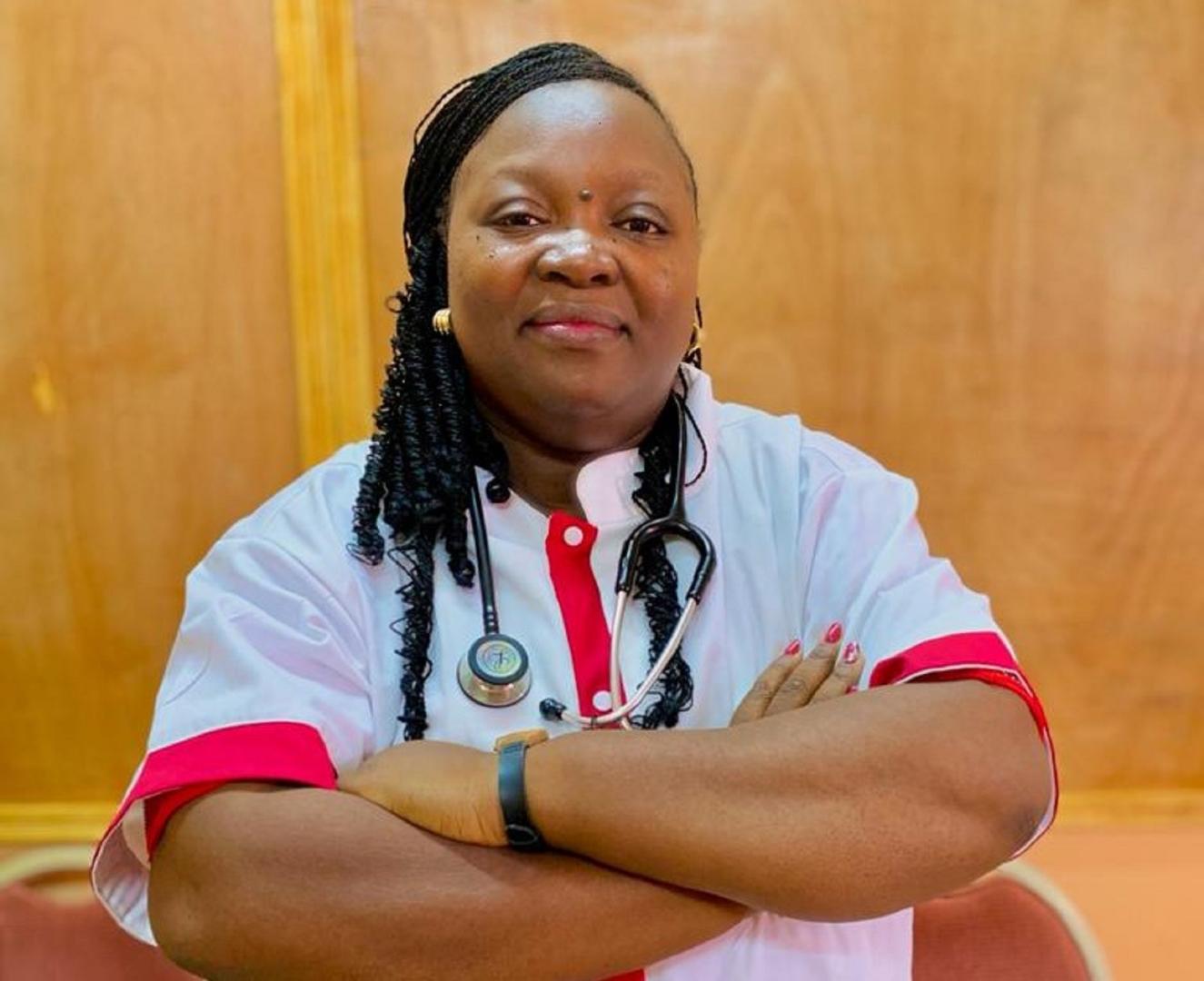
Dr Gloria Damoaliga Berges, a prominent figure in civil society and Vice-President of the Centre d’Initiative contre la Drépanocytose au Burkina Faso (CID/B), has spent the last decade at the forefront of this struggle. In this interview, she discusses her motivations, the progress made, and the hurdles that remain.
What inspired your personal commitment to this cause?
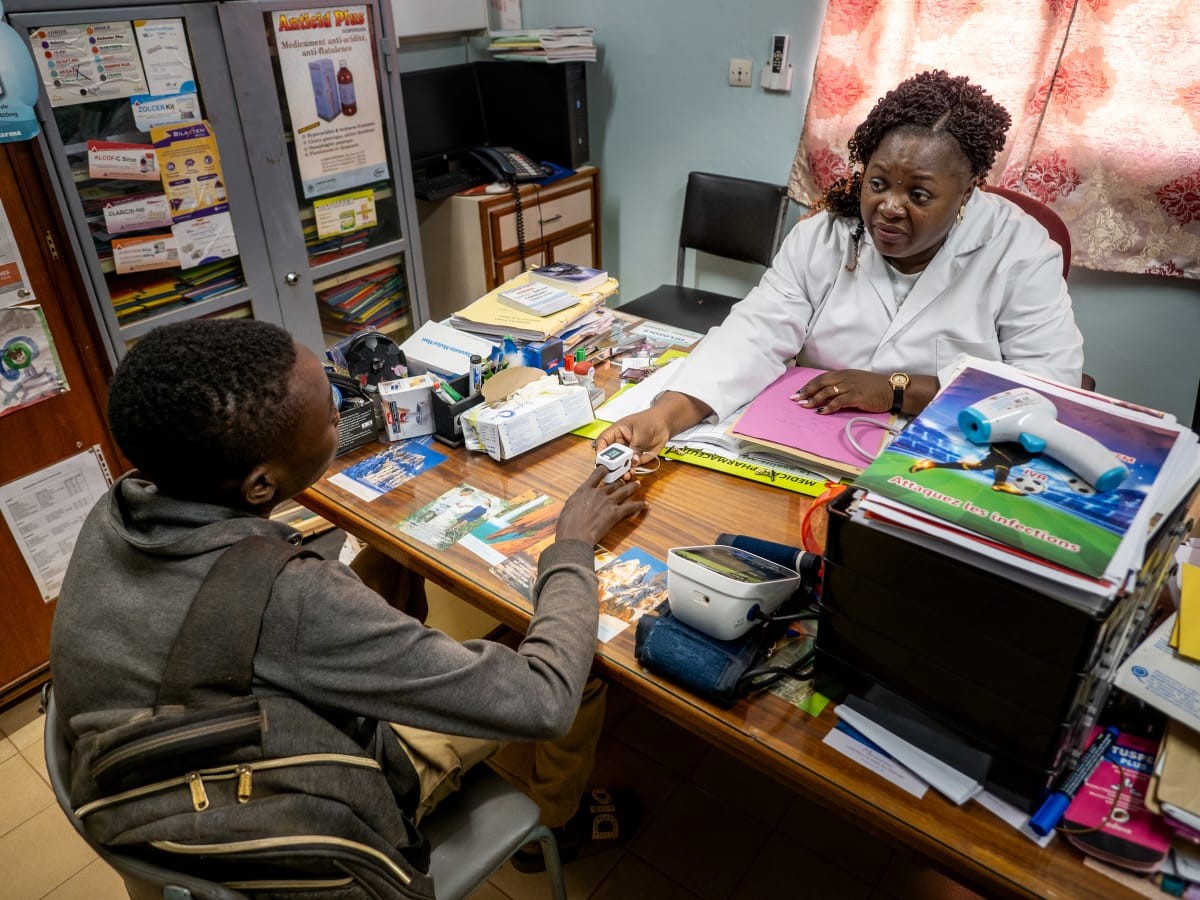
Since the start of my medical career, I have witnessed the profound suffering of children and young adults living with sickle cell disease. Their intense pain often left me feeling powerless, which fueled my desire to act. A pivotal moment occurred in 2015 when I helped establish a specialized care unit at my hospital, supported by the CID/B. That experience transformed my involvement into a lifelong mission.
Why do we still see so many children born with this condition?
Sickle cell disease is inherited. When both parents carry the S hemoglobin gene, there is a 25% chance during each pregnancy that the child will have a major sickle cell syndrome. The primary issue is that many couples remain unaware of their hemoglobin status because they overlook pre-marital screening. We must emphasize the importance of electrophoresis testing before marriage or conception.
How are you engaging with local communities?
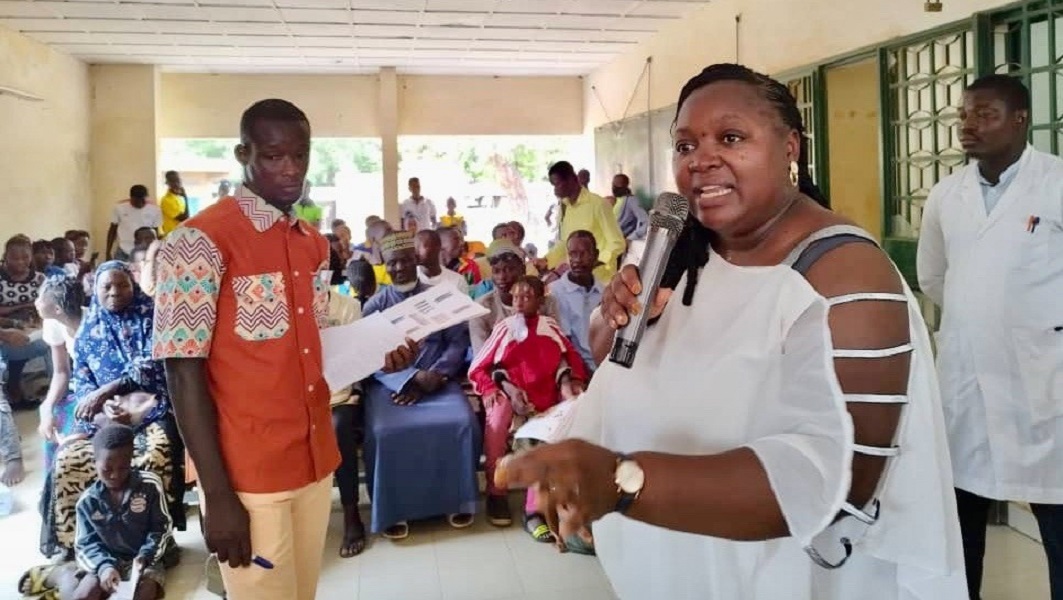
Community outreach is vital because many people still lack basic knowledge about the disease. I focus on awareness campaigns and large-scale screening initiatives. For instance, between January and July 2024, I managed a program that screened nearly 15,000 children across five regions of Burkina Faso. Working directly with communities is also the best way to dismantle the stigma surrounding the illness.
What specific initiatives have you implemented?
I have worked with the Ministry of Health to integrate neonatal screening into healthcare facilities and to train staff on managing sickle cell-related pain. We also launched a toll-free hotline called “Drépa Minute” (80001350), which provides information in local languages.
Our association, CID/B, works closely with the Direction of Prevention and Control of Non-Communicable Diseases (DPCM), with financial backing from the French Development Agency (AFD), the Pierre Fabre Foundation, and the Principality of Monaco. Together, we provide medical, psychological, and socio-economic support. We offer therapeutic education through 11 regional branches and even support income-generating activities to help patients achieve financial independence.
Have you noticed significant improvements over the years?
Yes, there has been a major shift. Sickle cell disease is now a priority in national health policies, and a strategic plan has been developed by the Ministry of Health. Public and medical awareness has grown tremendously, leading to better diagnostics and care.
The perception of the disease has also changed. It was once viewed as a curse or a death sentence, but those myths are being debunked. Today, we see many patients living long, fulfilling lives—starting families and pursuing successful careers—thanks to proper medical follow-up.
What are the primary challenges still facing the country?
While we have made strides, significant gaps remain. Access to diagnosis in rural areas is limited, and there is a shortage of essential medications like hydroxyurea, specialized painkillers, and antibiotics. We also face challenges regarding vaccinations and the availability of blood transfusions for patients.
It is time for the silent struggle of sickle cell patients to be fully recognized. We need to invest more in neonatal screening and create a stronger synergy between the Ministry of Health and its partners. I will continue to dedicate my energy to this cause because the fight against sickle cell disease is a fight for hope and human dignity.