
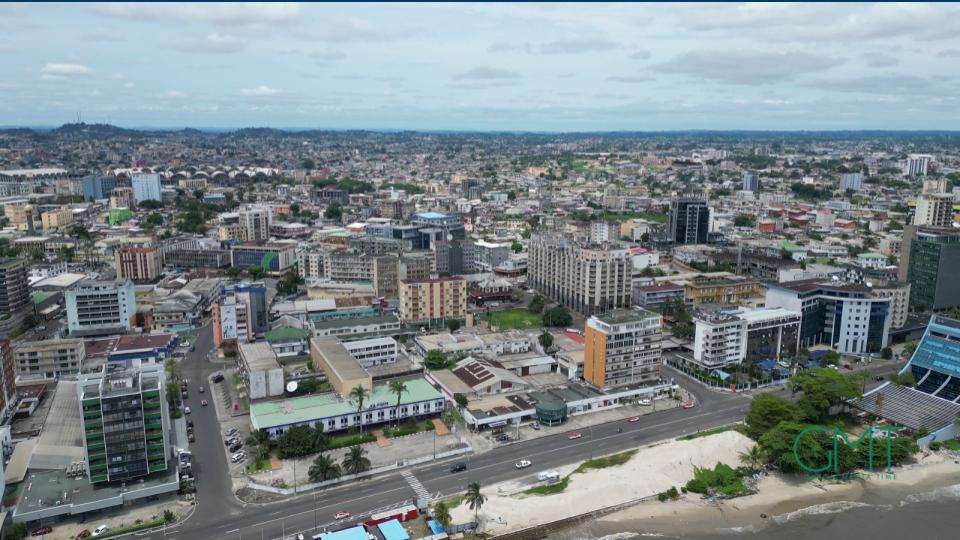
Gabon is poised for a positive economic trajectory, with projections from the African Development Bank (AfDB) indicating a 3.0% growth rate for 2026, further accelerating to 3.1% in 2027. This pan-African institution’s latest analysis points to a robust recovery for the nation.
Libreville is diversifying beyond its traditional resource-based economy, strengthening several key sectors. This anticipated rebound is largely attributed to the expected vibrancy in construction and services, alongside growth in manufacturing and agribusiness. Agriculture, particularly driven by poultry farming and the palm oil industry, also stands out as a crucial engine for this resurgence.
On the external accounts front, the current account balance is set to record a surplus of 1.1% of GDP in 2026, though forecasts suggest a return to a 2.4% deficit the following year. This overall recovery will be bolstered by rising household consumption and a renewed push in both public and private investments. Furthermore, a proposed central purchasing body is expected to be instrumental in curbing import speculation, thereby stabilizing inflation at 3.1% in 2026 and further reducing it to 2.3% in 2027.
Addressing the burden of debt and public spending
However, the picture isn’t entirely rosy, as the African Development Bank expresses concerns regarding Gabon’s persistent budgetary imbalances. A surge in public expenditures, which accounted for 3.2% of GDP in 2024, has hindered reform efforts. While the government has modernized its financial tools, implementing digitalization, electronic invoicing, and new property and green taxes, revenue generation struggles to keep pace. This shortfall is primarily due to governance weaknesses and the pervasive influence of the informal sector. Consequently, Gabon’s debt profile has deteriorated, limiting its access to financial markets and dampening private investor enthusiasm.
A call for coordinated action amid global crises
To reverse these trends, the executive branch is prioritizing social dialogue and bold macroeconomic reforms. Yet, Gabon must navigate a challenging international landscape, characterized by trade wars, regional conflicts, and a decline in global financial flows.
In response to this fragmented global environment, the African Development Bank issues a clear warning: it is imperative to move beyond isolated national policies and embrace coordinated African strategies. These unified approaches are essential for mobilizing local capital to fund the continent’s future development.
You may also like
-
L’ASM défie le PSG pour le compte du match aller des barrages de la Ligue des champions. Dans ce duel 100 % français,…
-
Dakar and Lomé showcase contrasting approaches to constitutional law
-
Gabon’s Double Audit Sends Shivers Through Libreville as Debt Public Stock Looms
-
Ousmane Sonko expresses deep sorrow over the passing of Serigne Abdou Bakhi Mbacké
-
Senegal’s constitutional council blocks revised constitution law