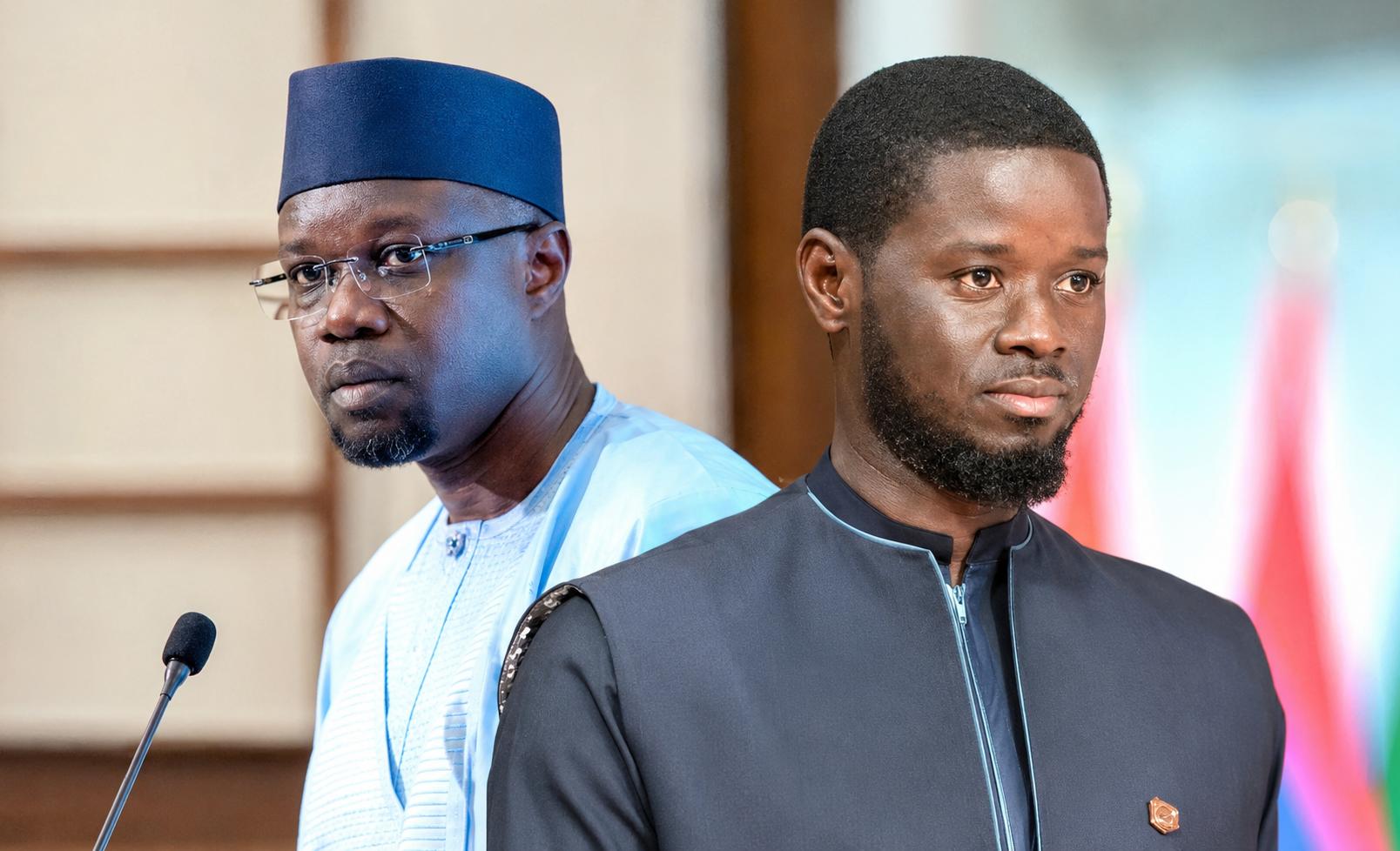
The Constitutional Council of Senegal delivered a landmark ruling on Thursday, July 9, 2026, striking down the constitutional revision law passed by the National Assembly at the end of June. Acting on an emergency request from President Bassirou Diomaye Faye, the Council found that the adoption process for Law No. 18/2026 violated the country’s fundamental law. This unprecedented legal move has exposed deep procedural rifts at the highest levels of government while reaffirming the bench’s role as a guardian of constitutional integrity.
An unprecedented presidential intervention on procedural grounds
The proposed amendments aimed to overhaul Senegal’s institutional framework, including rebalancing powers between the executive and legislative branches, prohibiting the president from leading a political party, and establishing a dedicated constitutional court. Despite being approved by the National Assembly on June 29, 2026, the initiative took an unexpected turn when President Faye himself filed an urgent appeal with the Constitutional Council on July 6. Unlike a substantive challenge, this filing focused solely on procedural irregularities during parliamentary deliberations. To substantiate the claim, the presidency submitted a comprehensive dossier containing session transcripts, rejected government amendments, and audiovisual recordings of the debates.
Procedural and financial flaws that sealed the law’s fate
The Council grounded its decision in strict legal reasoning, first dismissing a challenge to its jurisdiction raised by the Assembly’s president. Two key provisions in Article 82 of Senegal’s Constitution underpinned the ruling:
- Unfunded mandates (Paragraph 2): The Council reiterated that parliamentary amendments creating new public positions or increasing financial burdens must include compensatory revenue measures. The contested bill failed to meet this requirement, as it introduced additional state obligations without adequate funding.
- Unilateral dismissal of executive objections (Paragraph 4): The judges found that the Assembly had ignored repeated government requests to adjourn or remove problematic provisions, thereby infringing on executive prerogatives during the legislative process.
The decision declared the law null and void before it could be signed into force or submitted to a referendum, stating, “The violation of these provisions renders the revision law invalid in its entirety.”
A legal ruling that reshapes Senegal’s political landscape
The Council’s verdict has injected fresh momentum into Senegal’s 2026 political calendar. While ruling-party supporters view the outcome as a technical setback necessitating a revised drafting process, opposition figures hail it as a triumph of legal rigor over legislative haste. Far from weakening state institutions, the ruling underscores the robustness and independence of Senegal’s constitutional justice system, capable of mediating high-stakes disputes between the presidency and parliament.
By annulling Law No. 18/2026, the Council sent a clear message: even sweeping reforms must adhere to the procedural safeguards enshrined in the Constitution. For President Bassirou Diomaye Faye and his administration, the path forward now demands a strategic reassessment—whether through a revised legislative proposal or a direct appeal to the electorate via referendum—to fulfill the commitments made to the Senegalese people.