Gabon renames Camp de Gaulle to assert new sovereignty path
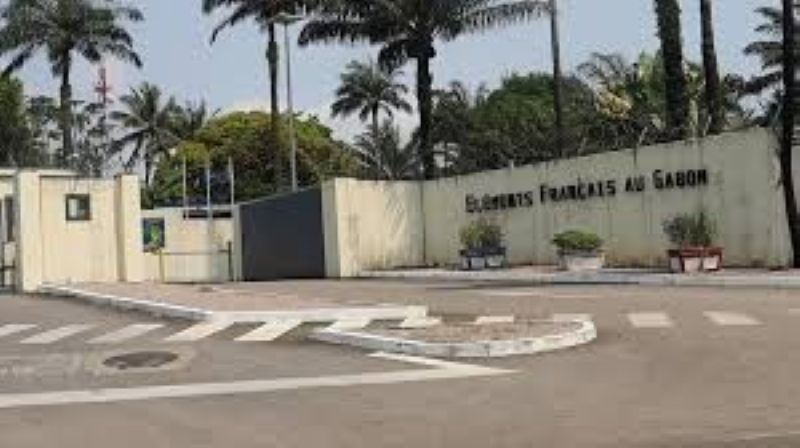
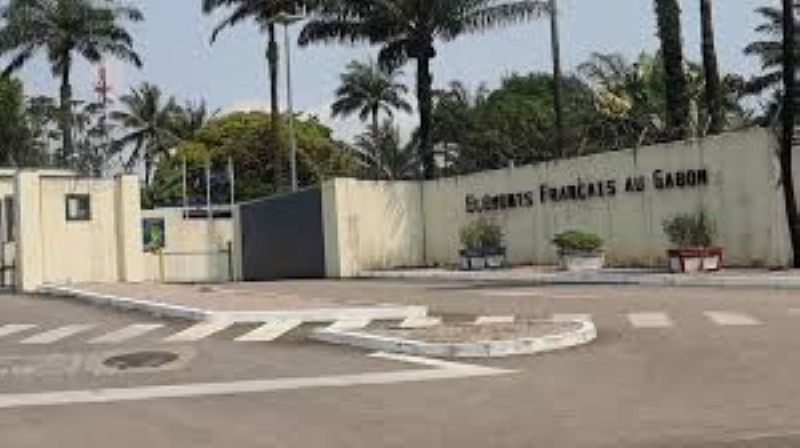
Libreville, June 3, 2026 – The decision to rename the historic Camp de Gaulle marks more than just a symbolic change for Gabon. It signals a deliberate shift in the nation’s approach to its military heritage, strategic partnerships, and evolving sovereignty.
President Brice Clotaire Oligui Nguema’s announcement during a national address reflects a broader transformation in how Gabon views its relationship with its past and future. What may appear as a routine administrative update carries profound implications for the country’s defense architecture and regional standing.
A turning point in military legacy
For decades, Camp de Gaulle stood as a prominent symbol of French military presence in Gabon. Established in the post-independence era, the camp was part of a network of bases designed to bolster regional stability under French oversight. Yet today’s Africa demands a different approach to sovereignty and security.
Across the continent, nations are reevaluating their historical ties with former colonial powers, particularly regarding military infrastructure. Gabon’s decision to reclaim control of the camp—without confrontation—highlights a mature transition rather than a sudden rupture.
Diverging from regional trends
Unlike neighboring countries that have witnessed abrupt military departures, Gabon’s transition maintains strong bilateral cooperation. The restructuring reduces permanent French troops to a specialized training team of about 100 instructors. This shift aligns with global trends favoring skill transfer over large foreign deployments.
The Gabonese government emphasizes that this evolution strengthens, rather than weakens, defense partnerships. Military cooperation now focuses on training local forces and regional allies to counter transnational threats like organized crime and instability in the Gulf of Guinea.
Building Africa’s security future
The renamed facility will serve as a premier training hub for Gabonese and allied African forces. By fostering professional military education, Gabon positions itself as a key player in regional security architecture. The initiative underscores a commitment to self-reliance while remaining open to international collaboration.
A new narrative of sovereignty
Beyond practical changes, the name change carries deep symbolic weight. The former Camp de Gaulle will now honor a Gabonese national hero, replacing a colonial-era reference with a figure rooted in local history. This gesture reaffirms the nation’s right to define its own identity and legacy.
Such decisions do not signify a rejection of France but rather a declaration of Gabon’s growing political confidence. The transformation transcends a mere renaming—it represents the emergence of a sovereign vision for Gabon’s future.