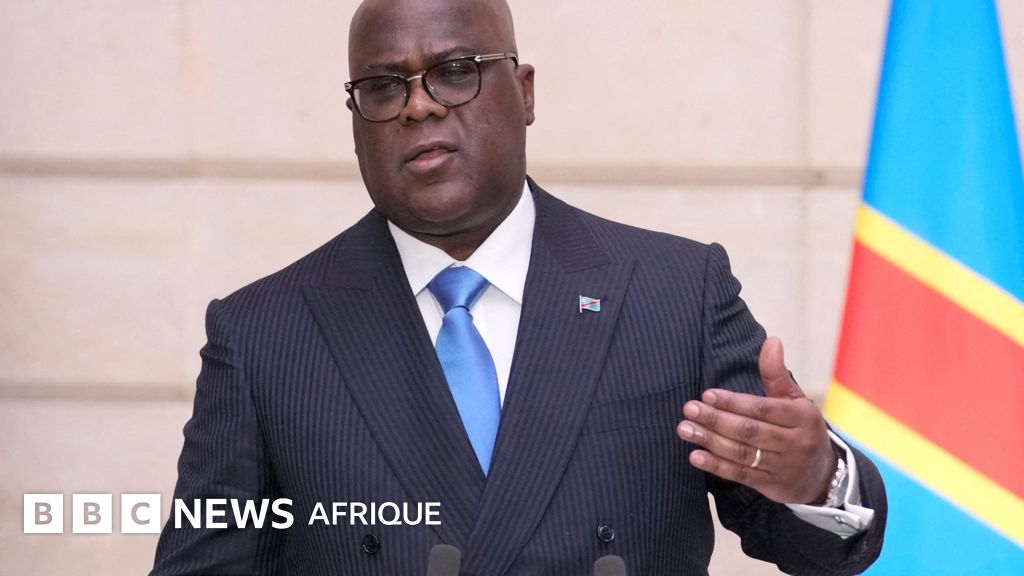
In a bold move to address the Democratic Republic of Congo’s persistent challenges, President Félix Tshisekedi has unveiled a groundbreaking national dialogue initiative. The president’s address to the nation on August 27 outlined a process that departs radically from previous political forums in the country.
The initiative, titled « National Dialogue for Peace, Cohesion and State Refoundation », is framed as a direct response to the intertwined security, political and social crises that have plagued the DRC for years. Unlike past efforts, this dialogue is designed to begin not in Kinshasa, but in the heart of the nation’s 26 provinces, communities and territories.
Dialogue rooted in local realities
The president emphasized that this approach ensures each region contributes authentically to the process. « This national dialogue will distinguish itself by its territorial anchoring: it will commence in our provinces, territories and communities, not in Kinshasa, » Tshisekedi declared.
The process will unfold in two phases. First, provincial forums will convene representatives from national and provincial governments, political parties—both majority and opposition—civil society, traditional leaders, religious groups, and economic, academic and scientific stakeholders. The goal is straightforward: each province will conduct a candid self-assessment of its challenges.
These diagnoses will then inform the second phase: a national assembly in Kinshasa. The president specified that this phase must be completed within three months, culminating in a « national pact » and a permanent mechanism to monitor implementation of the agreed resolutions.
Structuring the process through presidential decrees
To formalize the initiative, Tshisekedi announced the imminent signing of two presidential ordinances. The first establishes a preparatory committee responsible for administrative, logistical and material arrangements. The second officially convenes the dialogue, defines participant representation, outlines process stages and designates bodies to oversee implementation of recommendations.
Uncompromising red lines
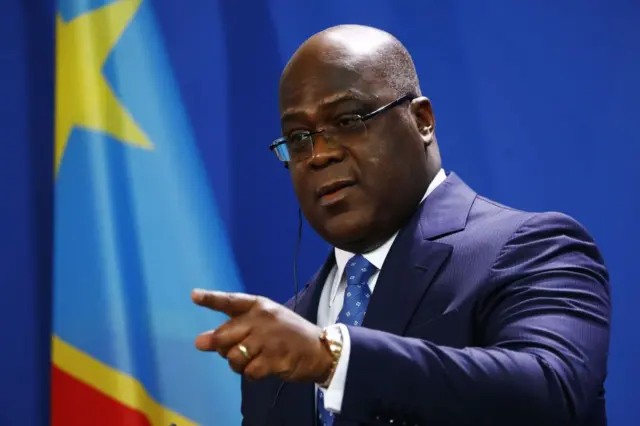
Beyond structural details, Tshisekedi set clear boundaries. He rejected any interpretation of the dialogue as a forum for power-sharing. « We have too often responded to crises through power-sharing rather than state consolidation, » he stated. He also affirmed that the 2023 electoral institutions remain untouchable and constitutional order must prevail.
Another red line: armed groups. While participation will be open to all opinions and backgrounds, « no one who takes up arms against the nation will sit at the table of dialogue, » the president declared. This stance notably excludes active armed movements in the eastern DRC, even as peace talks with the M23 continue in Doha.
Tshisekedi reassured that the national dialogue would not replace regional or international diplomatic initiatives already underway.
Opposition voices question substance and inclusivity
Claudel Lubaya: a missed opportunity
Opposition leader Claudel Lubaya criticized the president’s address as lacking vision and failing to address the crisis’s gravity. In a post on social media, he called the initiative a « missed rendezvous with history » and argued it does not meet the expectations of many Congolese. Lubaya stressed that the disagreement lies not in form, but in substance—warning that the dialogue could serve the ruling coalition more than foster genuine national consultation.
Christian Mwando: inclusivity remains a concern
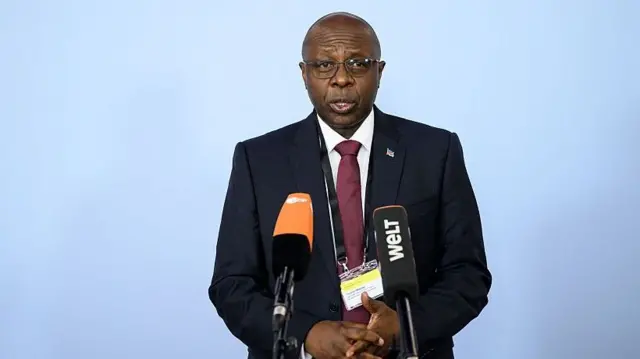
Christian Mwando Nsimba, an opposition MP from Ensemble pour la République, described the proposal as a « grand fair » unlikely to end the conflict. He highlighted the absence of the term « inclusive » in the president’s discourse and questioned how this initiative would coexist with the Doha process involving the M23.
Jean-Claude Katende: cautious optimism
Jean-Claude Katende, president of the African Association for Human Rights (ASADHO), welcomed key elements of Tshisekedi’s speech. He endorsed the president’s rejection of power-sharing and praised the emphasis on citizen participation and follow-up mechanisms. Still, he urged vigilance, stating: « I am satisfied with the president’s intervention, with the hope that all he said will be upheld and not reduced to empty rhetoric. »
A political test for the government
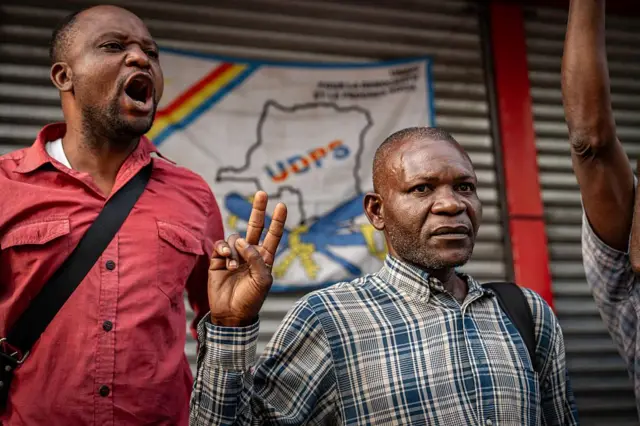
The announcement marks a critical juncture in a country grappling with persistent violence in its east and deep political divisions. For the government, the challenge is to prove that this process will yield tangible results. For the opposition, doubts persist over whether the dialogue will serve as a genuine platform for national consensus or remain a government-led initiative.
The next presidential ordinances are expected to clarify the preparatory committee’s composition and the precise modalities of participation in the upcoming national assembly. These details will be closely scrutinized as stakeholders assess whether this dialogue will break from past failures or repeat them.