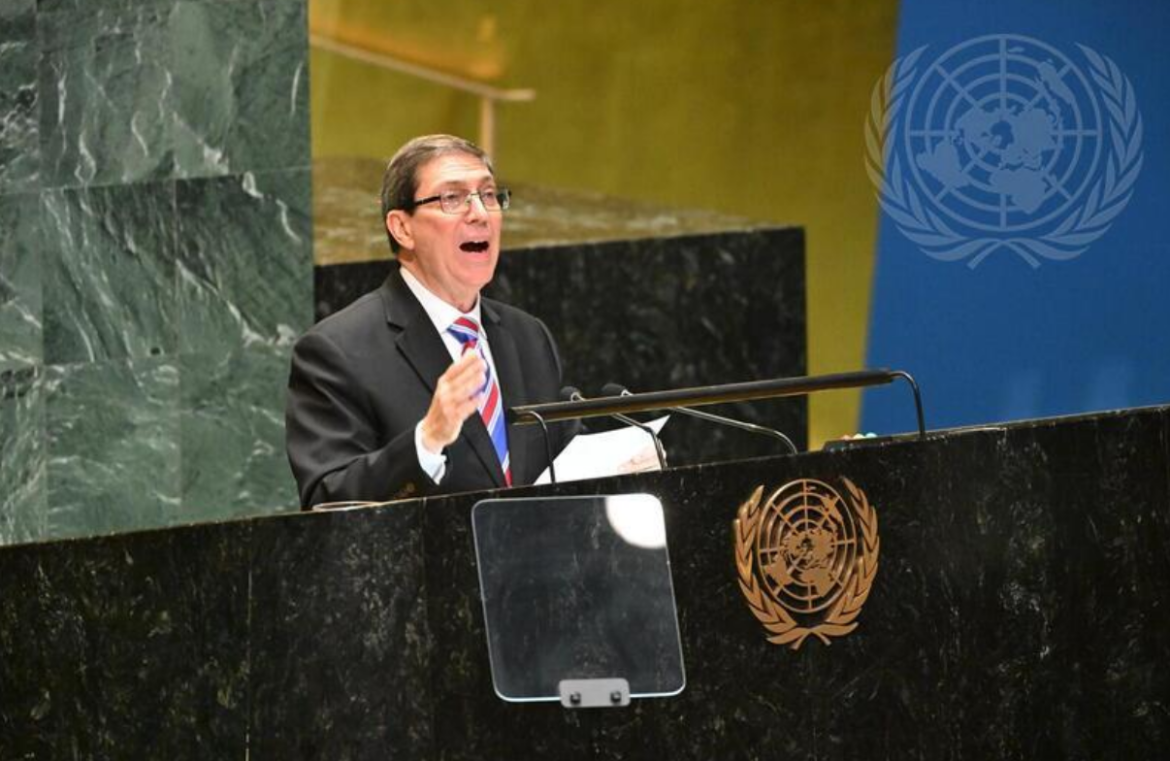
On October 28, 2026, history repeated itself in the United Nations General Assembly. For the 34th consecutive year, a resolution calling for the end of the U.S. embargo on Cuba passed with overwhelming support. Yet, what stood out in the final tally was not the outcome itself, but the striking deviation from continental consensus—Morocco cast the only African vote in opposition.
Behind the UN vote: breaking down the numbers and the diplomatic calculus
The resolution was adopted by 130 votes in favor, 17 against, and 25 abstentions across the UN’s 193 member states. This marks a notable shift from the previous year’s vote, when 165 nations supported the measure, 7 opposed it, and 12 abstained. While the global trend clearly favors ending the embargo, the cohesion of African diplomacy on this issue has weakened—evidently, with Morocco’s lone dissenting voice.
The 2026 vote also revealed a pattern of changing positions among several U.S. allies. Germany and Italy, which had traditionally supported the resolution, chose to abstain this year. Their shift from “yes” to “abstain” underscores a broader realignment in international diplomacy, where countries are recalibrating their stances in response to evolving geopolitical pressures.
Why did Morocco break from Africa’s diplomatic rhythm?
To understand this vote, we must look beyond surface-level justifications. For decades, African nations have largely coalesced around a shared position: opposition to unilateral economic measures perceived as infringements on state sovereignty. The embargo on Cuba has long symbolized this principle, with African nations siding with Cuba in upholding the sanctity of national independence and non-interference in internal affairs.
Against this backdrop, Morocco’s decision to vote against the resolution is not merely a departure from continental unity—it reflects a profound divergence in foreign policy priorities. While the majority of African states emphasized solidarity with Cuba and the principles of international law, Rabat appears to have adopted a more pragmatic or strategic approach. Yet, without official explanation from Moroccan authorities, the exact motivations behind this vote remain open to interpretation.
From abstention to opposition: a calculated shift in strategy
Comparisons with past voting records reveal a telling evolution. In previous sessions, Morocco had abstained rather than voting outright against the resolution. This year, however, it joined the ranks of opposition. Such a shift suggests a deliberate recalibration of Rabat’s diplomatic stance, even if the broader strategic rationale remains undisclosed.
This change coincides with intensified U.S. lobbying efforts in the weeks leading up to the vote. American diplomats reportedly engaged in high-level discussions with numerous countries, framing the issue as one of economic freedom versus ideological coercion. Whether this engagement directly influenced Morocco’s decision remains speculative, but the timing is certainly noteworthy.
Cuba’s enduring struggle: sovereignty versus sanctions
The embargo, now in its seventh decade, has woven a complex web of consequences that extend far beyond the shores of the Caribbean. While Washington has long justified the blockade on grounds of human rights and political governance in Cuba, Havana rejects these claims, arguing that the embargo constitutes a systemic violation of sovereignty and human dignity.
Cuba’s economic crisis has intensified under the weight of these sanctions. Chronic fuel shortages, power outages, and severe supply chain disruptions have pushed the island nation’s infrastructure to the brink. Proponents of the resolution argue that lifting the embargo would alleviate these hardships and restore Cuba’s ability to engage in free trade. Critics, however, counter that ending the sanctions would only embolden Cuba’s government without addressing underlying governance failures.
Despite the non-binding nature of the UN resolution, its annual passage serves as a powerful diplomatic signal. It reaffirms international condemnation of the embargo while exposing fractures in global consensus. Morocco’s vote, though solitary, injects an unexpected variable into this recurring narrative.
What does Morocco’s stance reveal about Africa’s shifting alliances?
African unity has long been a cornerstone of international diplomacy, particularly on issues of sovereignty and economic independence. The embargo on Cuba has been a unifying cause, with African nations repeatedly standing together in defense of multilateralism and resistance to coercive economic measures. Yet, Morocco’s lone opposition challenges this narrative of continental solidarity.
Rabat’s decision may reflect emerging divergent interests among African states, particularly as global powers increasingly compete for influence on the continent. With the U.S., China, and Russia vying for strategic partnerships, individual nations may prioritize economic or security considerations over traditional diplomatic alignments. In this context, Morocco’s vote could signal a recalibration of its geopolitical alignment, even if it comes at the cost of isolating itself within the African bloc.
A turning point in global diplomacy?
The 2026 UN vote on Cuba’s embargo offers more than a snapshot of global opinion—it reveals the fragile nature of diplomatic coalitions. While the resolution’s non-binding status limits its immediate impact, its adoption reflects a continuing international rejection of unilateral sanctions. Yet, the presence of dissenting voices, however few, underscores the growing complexity of global alliances.
For Morocco, the vote poses a new set of diplomatic questions. Will Rabat provide clarity on its motivations? Could this stance influence its standing within African institutions or its relations with other key global players? For now, the kingdom’s lone opposition remains an enigma, but one that invites closer scrutiny of the evolving dynamics shaping international diplomacy in the 21st century.