In the heart of Ukraine’s industrial hub, a deadly drone strike on a packed train station in Dnipro has exposed the grim reality of modern warfare: no civilian space is safe. On the morning of October 29, 2026, a Russian jet-powered drone slammed into a bustling platform of Dnipro’s central railway station, killing at least thirteen civilians and injuring dozens more. The attack occurred as travelers waited for a southbound train to Zaporizhzhia, leaving families shattered and a nation questioning the limits of wartime violence.
The hidden mechanics behind a calculated strike
Investigators are now piecing together how a precision-guided drone evaded air defenses to target a civilian railway platform. Jet-powered drones, unlike slower propeller models, often fly at higher altitudes and faster speeds, making them harder to intercept. Officials confirmed the strike occurred despite an active air raid alert, raising urgent questions about response times and protective measures at critical infrastructure sites.
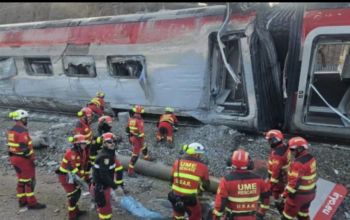
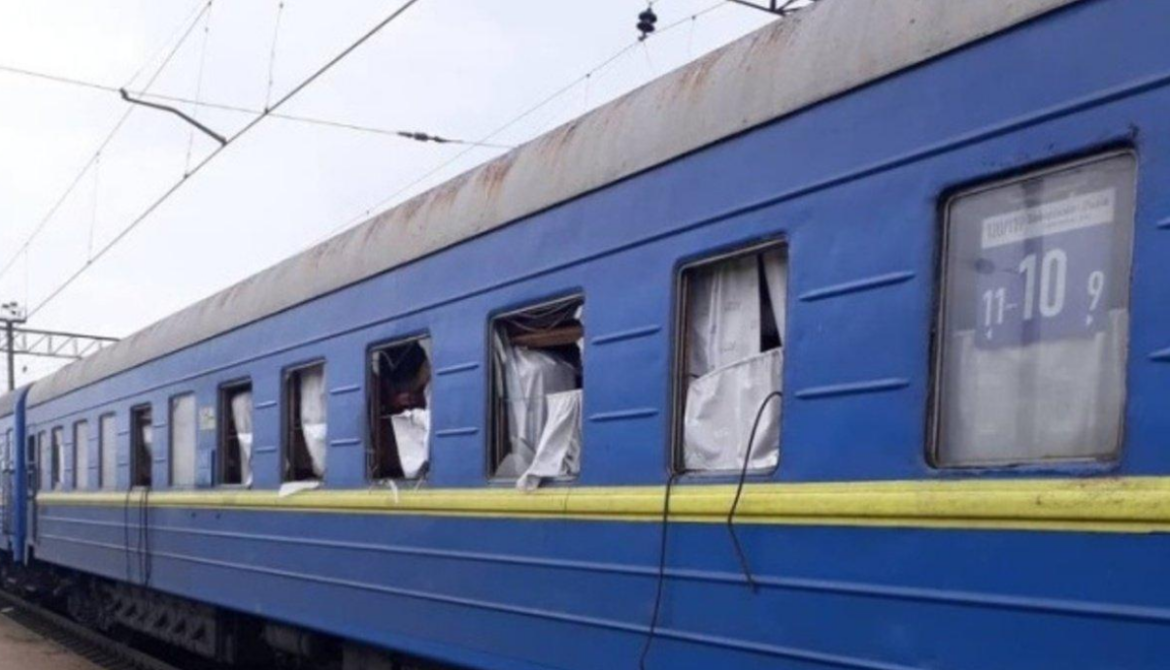
The presence of a live train at the station heightened the tragedy. Survivors described moments of chaos as the drone’s payload detonated, sending debris flying and trapping passengers in the wreckage. Emergency responders worked for hours to extract the wounded and recover victims from the wrecked platform.
Unraveling the role of Ukraine’s railways in wartime survival
Since Russia’s full-scale invasion in 2022, Ukraine’s railways—operated by Ukrzaliznytsia—have been lifelines. They ferry evacuees, transport humanitarian aid, and keep regional economies connected under fire. Train stations, once bustling civic hubs, now double as frontline evacuation points. The strike on Dnipro’s platform highlights how these same spaces—meant for daily commutes and reunions—have become high-risk targets.
Ukrzaliznytsia reported that general alerts had been issued before impact. Yet evacuation remains a challenge: when trains are boarding, platforms teem with people. Alarms may sound, but hesitation or uncertainty can cost lives. The attack in Dnipro underscores a brutal paradox: the infrastructure that sustains life under war is now being weaponized.
Drone warfare: a shifting threat to civilian safety
The use of jet-powered drones in this attack represents a tactical escalation. These systems are difficult to detect on radar and can strike with little warning. Defense experts note that Ukraine’s air defenses, though strengthened by Western partners, face growing strain in intercepting a wave of high-speed, low-altitude threats. Civilian targets—schools, hospitals, and transit nodes—are increasingly within range.
While military objectives may justify some drone strikes, the targeting of a public railway platform raises serious concerns under international humanitarian law. Investigations are underway to determine whether the attack was intentional or resulted from misidentification, but for the victims’ families, accountability is already a distant concern.
Political shockwaves and the human cost of delayed protection
Ukrainian leadership condemned the strike as a deliberate act of terror. President Volodymyr Zelensky reiterated the need for stronger international sanctions and military support to deter further escalation. Yet behind the diplomatic rhetoric lies a stark truth: civilians bear the brunt of prolonged conflict.
The thirteen lives lost in Dnipro are not just statistics—they include commuters, students, and parents. Their absence leaves families fractured and communities in mourning. Survivors recount the terror of sirens drowned out by the drone’s approach, and the helplessness of watching a normal day turn into a nightmare.
As rescue teams clear debris and families identify loved ones, one question looms over the city: when will the next attack come? And which station—or school or hospital—will be struck next? Until civilian transit stops being a tactical target, the war’s human toll will continue to rise, one shattered platform at a time.