The subtle yet deliberate shift in public policy across continents reveals an unspoken truth: national security is no longer just about military might or diplomatic alliances. It’s about the resilience of everyday people. Behind the urgent calls for families to stockpile food, water, and medicine lies a calculated response to a world where conventional warfare can cripple supply chains, cyber threats can paralyze infrastructure, and geopolitical rivalries can spill into silent sabotage. This isn’t about fear—it’s about foresight.
From Preparedness to Policy: How Stockpiles Became a National Strategy
What once began as prudent advice from civil defense agencies has evolved into official doctrine. Governments in North America, Europe, and Asia are now embedding the idea of self-sufficiency during emergencies into national resilience strategies. The reasoning is simple: when vital services—like electricity, transportation, or communication—are disrupted, the first 72 hours are critical. Without personal reserves, citizens become reliant on already strained emergency services, prolonging recovery and increasing systemic vulnerability.
This transition reflects a deeper shift in how states perceive threats. Gone are the days when conflicts remained confined to battlefields. Today, a cyberattack on a power grid or a targeted disruption of fuel distribution can cripple a nation’s functionality overnight. As tensions rise between global powers, the call to prepare reflects a new reality: no community is immune to collateral damage.
The Russia Factor: How the War in Ukraine Transformed European Readiness
The full-scale invasion of Ukraine in February 2022 became a wake-up call for Europe. What was once considered a remote risk—a large-scale conventional war on European soil—suddenly felt tangible. Overnight, governments realized that a conflict hundreds of miles away could still paralyze daily life through cascading effects: frozen supply chains, energy blackouts, and refugee influxes. In response, nations like Finland, Sweden, and Poland accelerated investments in civil defense, from reinforced shelters to expanded grain reserves.
Britain’s nationwide preparedness campaign, launched in October 2024, is a case in point. The government’s recommendation—to maintain three days of essential supplies—wasn’t arbitrary. It was the result of simulations showing how quickly hospitals, schools, and logistics networks could falter under coordinated disruptions. From electricity outages to contaminated water networks, the scenarios were not hypothetical. They were based on battlefield lessons learned in real time.
Silent Sabotage: The New Front in East-West Standoffs
Western intelligence agencies are increasingly concerned about Moscow’s appetite for testing NATO cohesion without triggering Article 5. Reports from intelligence circles indicate potential Russian operations—cyberattacks, sabotage on critical infrastructure, or staged “accidents”—designed to probe the Alliance’s resolve. These actions, often untraceable and deniable, could target everything from undersea cables to food distribution centers, not just military sites. The goal isn’t necessarily invasion, but to erode public confidence and expose vulnerabilities long before any formal declaration of war.
Civilian stockpiles serve as a buffer in such scenarios. They reduce dependence on centralized systems during the critical first phase of a crisis, giving authorities time to respond, assess damage, and restore order. The message is clear: in an era where warfare can be invisible, readiness must start in the home.
The Middle East: A Domino Effect of Sanctions, Strikes, and Shortages
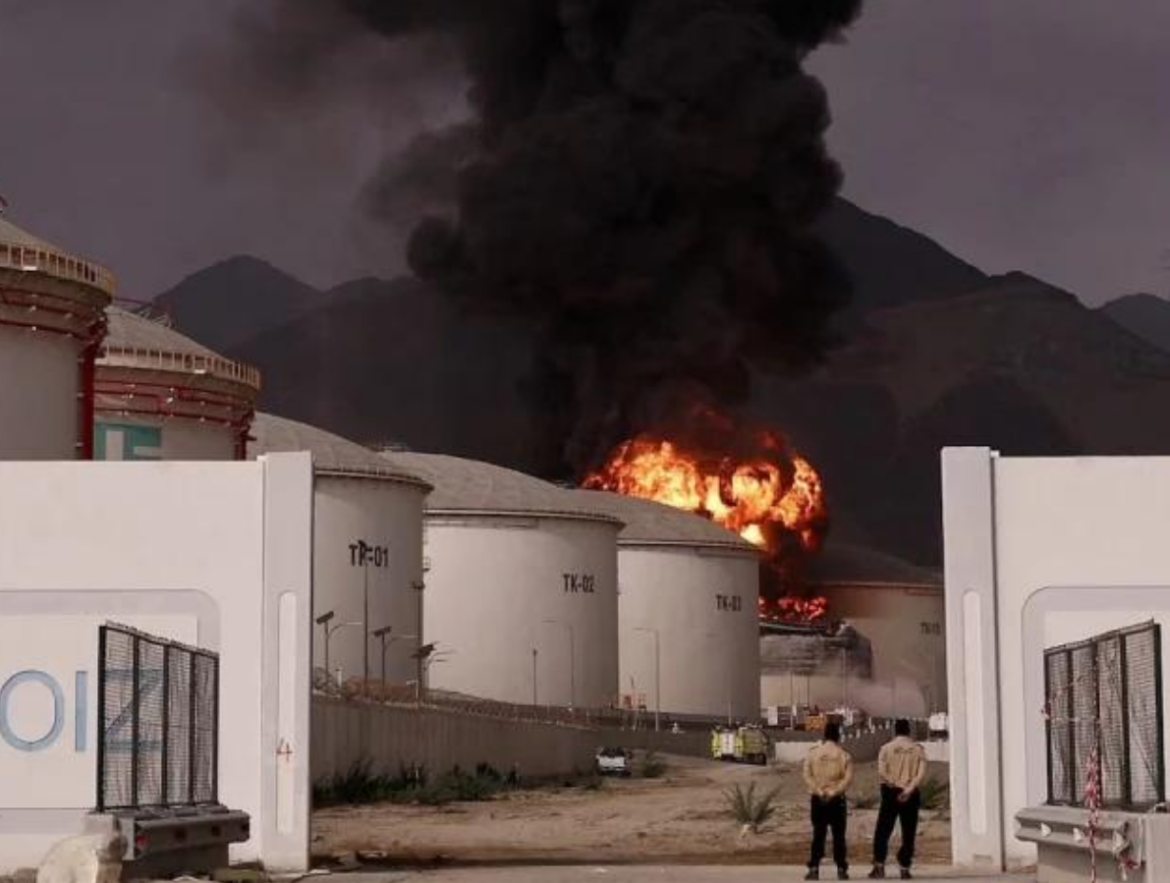
Across the Mediterranean, the tension between Washington, Tel Aviv, and Tehran has triggered ripple effects felt from the Strait of Hormuz to the Persian Gulf. The escalation of February 2026—marked by coordinated airstrikes and retaliatory missile launches—exposed the fragility of regional infrastructure. Ports, pipelines, and power grids became collateral targets, leading to immediate shortages of fuel and medical supplies in allied nations.
The United Arab Emirates, a hub for global trade and energy, found itself at the crossroads. After reporting drone incursions and missile trajectories attributed—though denied by Tehran—to Iranian forces, Abu Dhabi accelerated its domestic resilience programs. The message to citizens: don’t wait for the market to restock. Prepare for disruptions that could last weeks, not days.
In this volatile landscape, the act of stockpiling transcends personal prudence. It becomes a civic responsibility. When regional hubs like Dubai or Doha face delays in oil deliveries or port closures, the ripple effects can be global. Food prices rise. Medical shipments are delayed. Families with reserves weather the storm; others face uncertainty.
Asia’s Shadow Play: When Friends Become Frenemies
The reopening of the China–North Korea border crossing in October 2026 symbolized more than economic cooperation. It signaled a strategic alignment that could reshape Asia’s geopolitical map. But alongside trade agreements came concerns over Pyongyang’s deepening military ties with Moscow. While no imminent coordinated attack is expected, the collaboration between these regimes raises alarms about potential black swan events—sudden, unpredictable crises that could erupt simultaneously across multiple theaters.
For citizens in South Korea and Japan, this means preparing for contingencies beyond traditional threats. Cyber intrusions on banking systems, disruptions to semiconductor supply chains, or even nuclear shadow games could destabilize daily life overnight. The growing emphasis on emergency water filtration systems and offline communication tools reflects this expanded threat perception.
Preparing Without Panicking: A New Era of Shared Responsibility
Let’s be clear: the rise in preparedness guidelines does not mean governments are predicting an imminent apocalypse. It means they are recognizing a new truth: modern crises don’t arrive with warning sirens. They arrive through silent disruptions—hacked databases, frozen ports, or cyber attacks on power plants. In such a world, resilience isn’t optional. It’s a shared obligation.
The NATO resilience standards revised in September 2026 underline this shift. No longer focused solely on military defense, the alliance now demands that member states ensure continuity of essential services—energy, food, water, communications—even under sustained pressure. This includes mandatory training for local authorities, stockpile audits, and public awareness campaigns. The goal isn’t to instill fear, but to empower individuals to act responsibly when systems fail.
For families, the takeaway is straightforward: maintain a modest reserve of water, non-perishable food, and medical supplies. Learn basic first aid. Know where emergency shelters are located. Have a battery-powered or hand-crank radio. These steps don’t require panic. They require perspective. In a world where a single cyber blackout in one country can ripple into a global crisis, personal readiness is no longer a fringe lifestyle choice—it’s a civic duty.
The stocked pantry, the backup generator, the first-aid kit in the closet—these are not symbols of fear. They are the cornerstones of a society that refuses to be paralyzed by uncertainty. They remind us that security is not built only in war rooms or diplomatic halls. It’s built in every kitchen, every garage, every home where someone has taken the time to prepare.