enhancing sustainable groundwater governance in Chad through national collaboration
A vital national workshop in N’Djamena brought together diverse stakeholders to forge an action plan for improving groundwater management in Chad, a resource critical for water security and sustainable development.
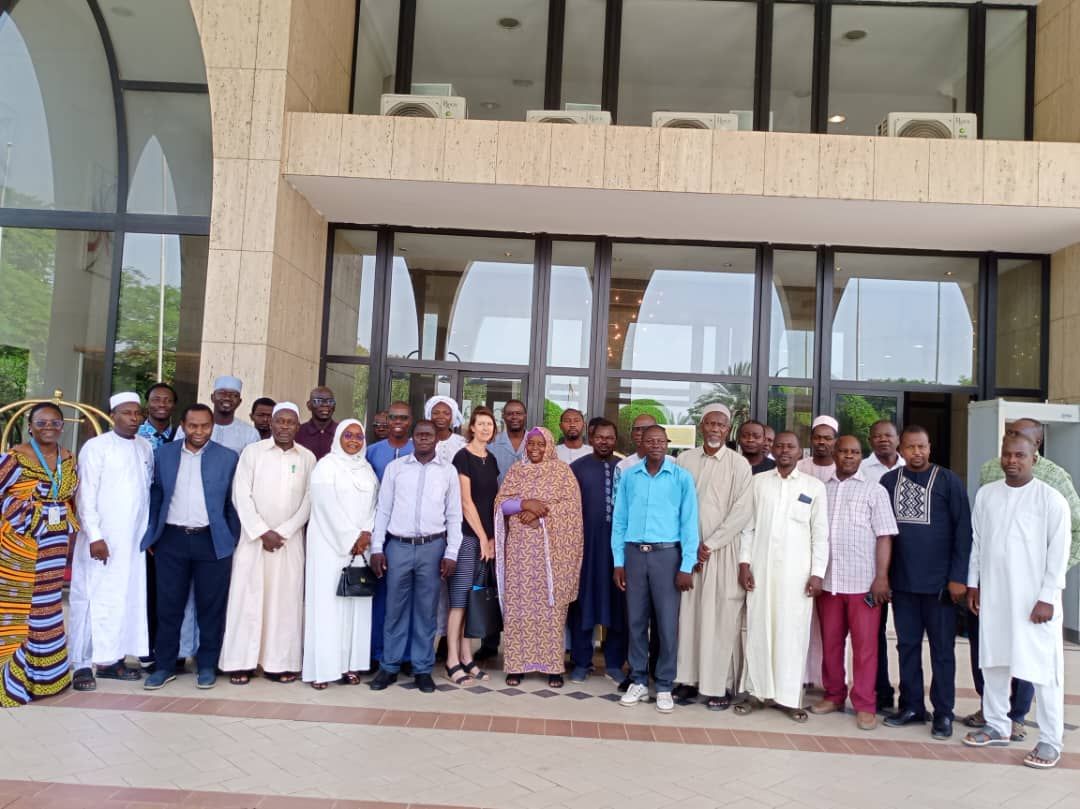
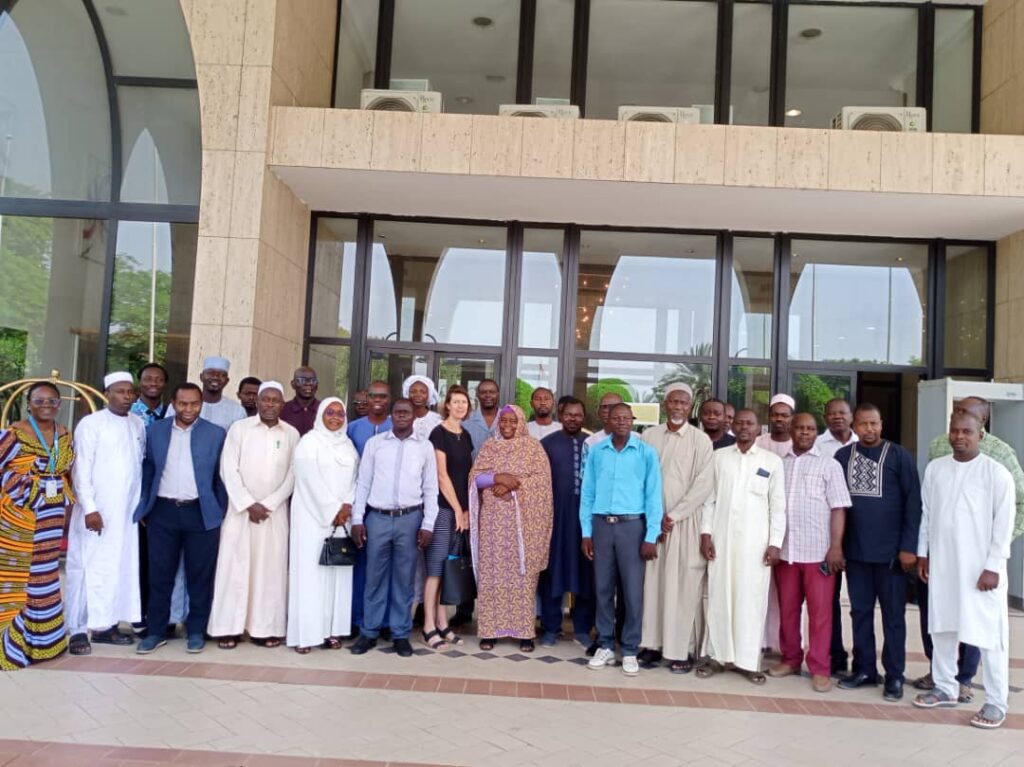
A significant three-day national workshop, focused on strengthening groundwater governance, recently commenced in N’Djamena. On June 16, 2026, approximately fifty key stakeholders convened, representing public institutions, technical and financial partners, civil society organizations, and various user groups. The primary objective of this gathering was to forge a unified, multi-party action plan designed to enhance the management of Chad’s crucial groundwater resources and effectively mitigate risks related to both their quantity and quality.
Groundwater plays an indispensable role in ensuring Chad’s water security. It is fundamental for providing potable water, supporting irrigation, sustaining pastoral systems, and driving urban development, particularly in regions facing severe climate stress and surface water scarcity. Recognizing this critical importance, the national workshop was meticulously organized to develop a collaborative and comprehensive action plan. This plan aims to bolster groundwater governance and proactively address the most pressing risks impacting the availability and purity of this vital resource.
During the opening remarks, Natascha Paddison, representing UNICEF, underscored the collective responsibility to guarantee every child equitable access to essential services, including clean drinking water, hygiene, and sanitation. She emphasized that beneath every technical decision concerning groundwater lies a profound human reality, directly influencing health, education, human capital development, and dignity.
Paddison urged participants, over the three days, to pool their knowledge, critically examine their experiences, pinpoint priority risks, and collectively devise tangible solutions. She further highlighted the imperative that groundwater resources must serve as a safeguard for health rather than a hazard, and a catalyst for development instead of a source of conflict, all while diligently preserving the interests of future generations.
Reaffirming UNICEF’s steadfast commitment, Paddison pledged her institution’s continued support for the Chadian government and all partners involved in this crucial endeavor. She also extended gratitude to the United Kingdom, specifically its Ministry of Foreign Affairs, whose invaluable assistance made the organization of this workshop possible.
Concurrently, Fatimé Hassan, Director General of Water Resources, articulated that the workshop’s central aim is to craft a harmonized action plan to improve groundwater governance across Chad. She explained that the proceedings would foster a shared understanding of the nation’s groundwater status, identify key governance challenges affecting its management, and delineate the necessary activities for implementing agreed-upon actions. The outcomes of this workshop, she noted, will be meticulously documented in a detailed report covering all discussion points, alongside a technical orientation note that will integrate the findings from the national exploratory assessment of groundwater risks conducted in 2026.
The workshop brought together a diverse group of about fifty participants. This included representatives from national water authorities, various sectoral ministries, regional organizations, technical and financial partners, United Nations agencies, non-governmental organizations, the private sector, user groups, and academic experts. The collaborative discussions are anticipated to culminate in concrete recommendations for a more efficient, inclusive, and sustainable management of groundwater resources in Chad.
You may also like
Niger’s jailing of lawyer Abdourahamane Lirwana: is free speech now a crime in the country?
Can Benin turn a €500 million loan into lasting social change?
Burkina Faso: what does Ibrahim Traoré’s four-year record truly mean for the displaced and the silenced?
Will Benin’s UCESIF gambit in Bucharest pay off for francophone social dialogue?
Niger’s sovereignty paradox: can the junta’s UN rhetoric survive the SOMAÏR and SONIDEP collapse?