The Minister of Agriculture, Livestock, and Fisheries, Adin Yeton Bloukounon Goubalan, recently concluded an intensive three-day national tour. Spanning from the central regions to the northern reaches of the country, the executive’s message was unequivocal: Benin must transition from exporting raw commodities to processing its agricultural output domestically. This strategic shift is crucial for securing the nation’s food supply and fostering economic prosperity.
The Beninese government has embarked on a rigorous race against time to modernize its agricultural sector. Between June 11 and 13, Minister Adin Yeton Bloukounon Goubalan visited several key agricultural hubs, including Paouignan, Glazoué, and Parakou. The primary objective of this extensive journey was to personally ensure that the Head of State’s vision – a definitive break from raw product exports – is actively transforming into an industrial reality on the ground.
Rice and cassava: charting a course for food independence
A significant stride towards self-sufficiency is evident within the rice sector. In Glazoué, the agro-industrial group Premium, already a prominent player in paddy rice processing, announced a substantial acceleration of its investments. A third processing unit is currently under construction in Dangbo. This new industrial facility is set to dramatically increase the group’s total capacity from 300,000 to an impressive 500,000 tonnes of rice annually. This expansion offers a vital lifeline, aiming to significantly reduce the nation’s reliance on imported Asian rice.
Meanwhile, in Paouignan, the focus is on cassava, often referred to as the ‘white gold’ of the subsoil. Construction of a new local processing plant is nearing completion. This industrial complex will produce gari, tapioca, and, notably, panifiable flour – a crucial alternative designed to lessen wheat import dependency. A key innovation in this venture is its unique management model: an unprecedented co-management structure involving both the private sector and local producer groups. This collaborative approach is designed to ensure equitable profit distribution and secure rural employment opportunities.
Cashew: combating illicit trade
While local processing is advancing, it confronts a considerable obstacle: the consistent availability of raw materials. Within the cashew nut industry, local processors are raising alarms over the illicit flow of raw cashew nuts to neighboring countries.
Minister Goubalan adopted a resolute stance on this issue. The government is committed to intensifying border controls and prioritizing the allocation of raw cashew stocks for factories operating within national territory. For the executive, allowing raw nuts to leave the country is tantamount to exporting employment opportunities for young Beninese citizens.
Cotton: targeting 700,000 tonnes with incentive bonuses
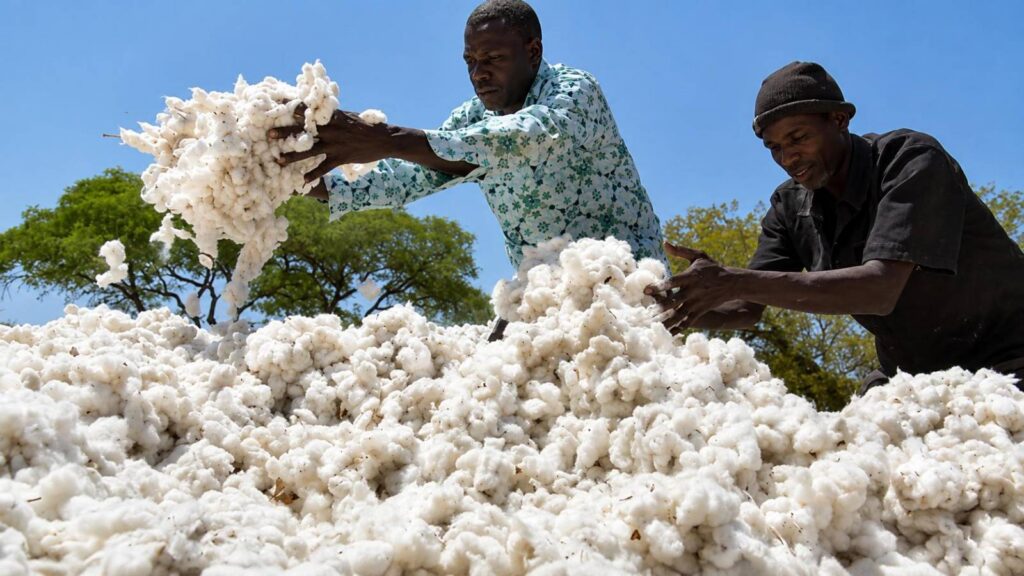
The tour concluded with a focus on Benin’s most sensitive agricultural economic segment: cotton. Following three consecutive seasons marked by a decline in production, the government is determined to revitalize the sector. A challenging target of 700,000 tonnes has been set for the 2026-2027 campaign.
To re-energize producers and bolster their purchasing power amidst rising input costs, the President of the Republic has introduced a powerful incentive: an exceptional bonus of 10 FCFA per kilogram of cotton produced. This payment will be disbursed once the national threshold of 700,000 tonnes is surpassed.
Through firm measures against smuggling, financial incentives for producers, and the development of large-scale industrial projects, Benin is actively shaping a more resilient agricultural economy. While logistical and climatic hurdles remain, the political will to achieve these ambitious goals appears deeply rooted.
You may also like
Niger’s junta reaches breaking point as Barmou’s arrest shifts the balance of power
Niamey mutiny exposes deep rifts in Niger’s military leadership
At the un headquarters in Niamey, the sovereignist bluff meets the reality of foreign aid
In Bamako, the prosecution of journalist Abdrahamane Keïta signals a tightening grip on free speech
RDC-Israël : un rapprochement aux enjeux multiples