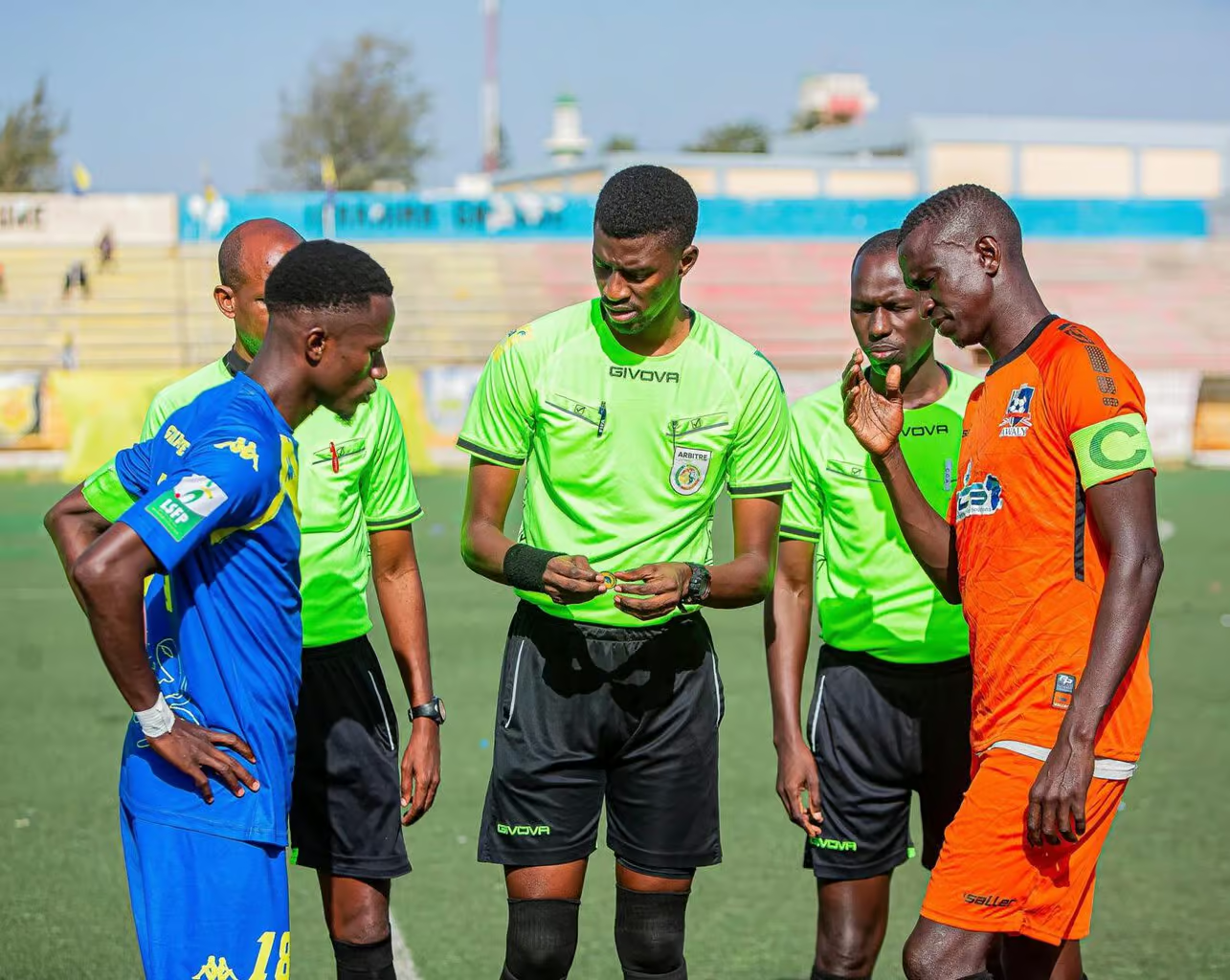
The road to Morocco: El Hadj Amadou Sy represents Senegal
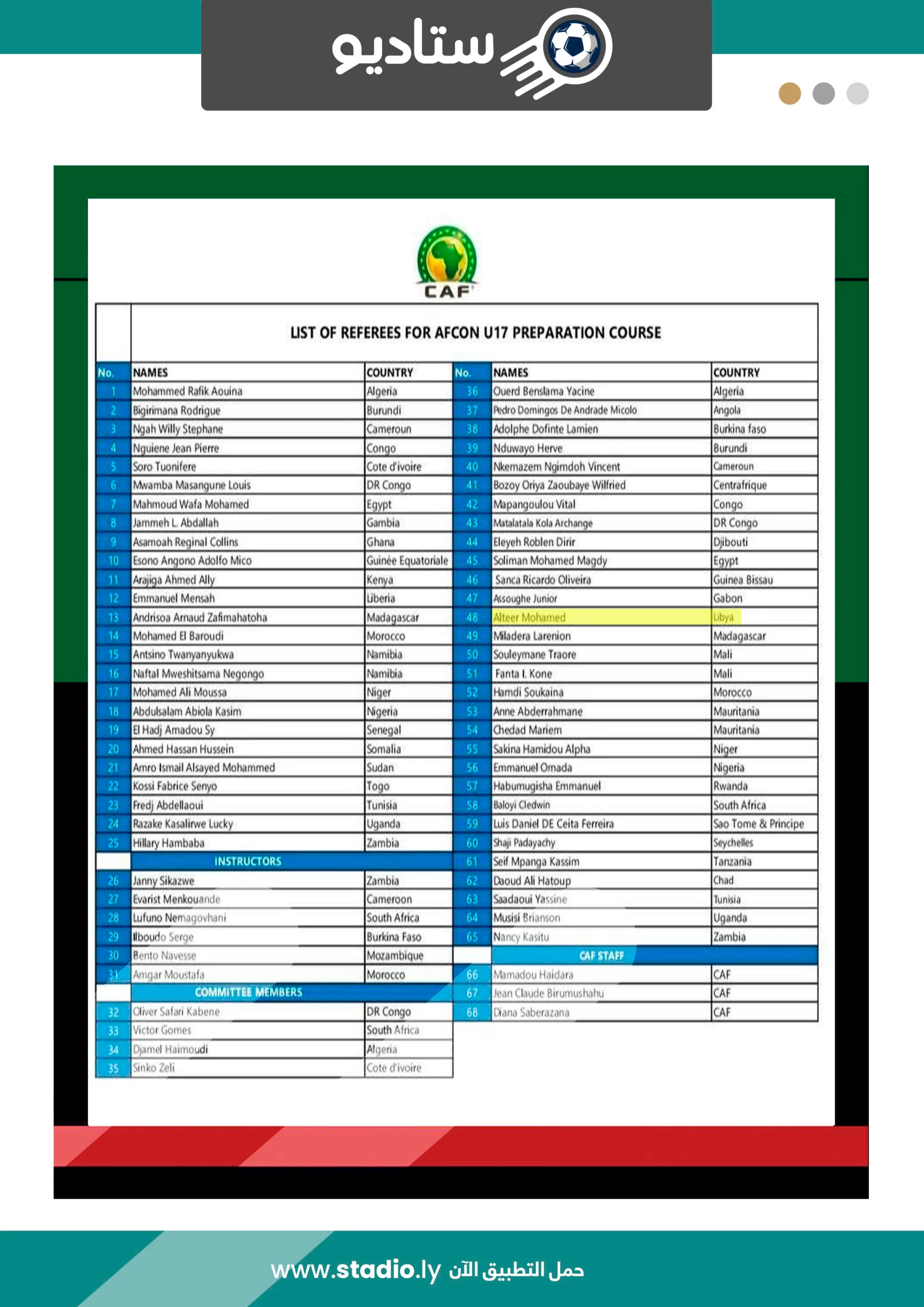
The Confederation of African Football (CAF) has officially announced the roster of referees invited to the preparatory seminar for the upcoming U17 Africa Cup of Nations. This training session is a vital step before the final list of officials is confirmed for the tournament, which will take place in Morocco from May 13 to June 2.
In this initial selection, El Hadj Amadou Sy is the only referee representing Senegal. Following the completion of this preparatory stage, CAF will determine the definitive list of officials who will work during the CAN U17 in Morocco. Having achieved the status of FIFA international referee in 2019, El Hadj Amadou Sy continues to demonstrate his professional growth. A native of Saint-Louis, he began his officiating career in the “navétanes” competitions, starting with the youth categories before advancing to the senior level and eventually the Senegal professional league.
A veteran of major African tournaments, he previously served as an official during the 2023 CAN U20 and the last edition of the CAN U17. While Senegal has historically been represented by multiple referees or full officiating trios, El Hadj Amadou Sy will be the sole national representative during this training phase. He hopes to secure a spot on the final roster to represent his country on the field, while the Senegal national team also competes in the event.
Regarding other participating nations, Algeria, Cameroon, DR Congo, Morocco, Zambia, and South Africa lead the way with three representatives each. Meanwhile, nations such as Tunisia, Mali, Nigeria, and Egypt have two referees included in the list.