Politics
DRC political crisis deepens after constitutional court ruling
The Democratic Republic of Congo’s constitutional court has validated the legal framework for an upcoming referendum, reigniting fierce debate over potential constitutional changes. The ruling has intensified political tensions, with opposition leaders vowing to escalate their resistance.
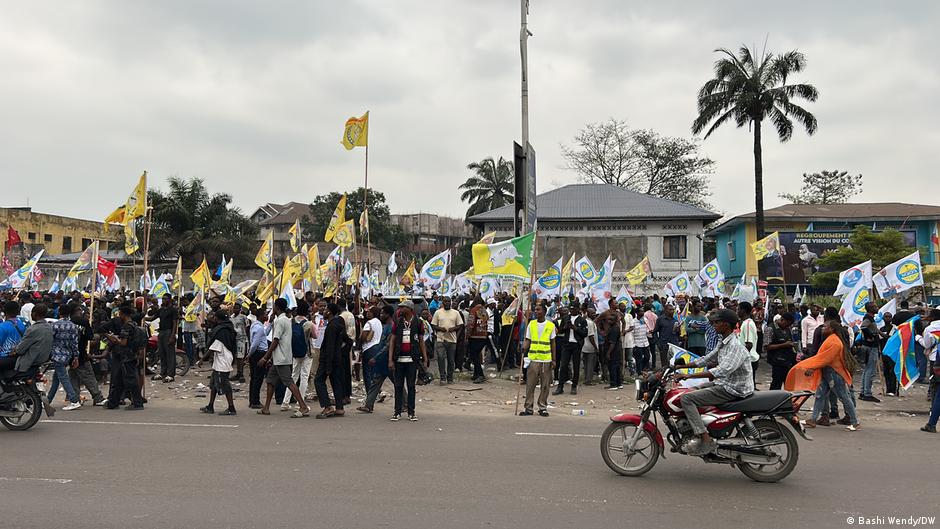
The coalition Article 64 strongly condemns the decision, arguing it paves the way for constitutional reform—a move they categorically reject. Speaking on behalf of the group, spokesperson Prince Epenge delivered a defiant message to the public:
“We will not back down. We will channel all our strength and energy to ensure this law never takes effect in our country.”
Epenge emphasized the public’s anger, urging citizens to remain united and resolute in opposing a third presidential term and what they describe as efforts to divide the nation.
Kinshasa residents voice growing concerns
As opposition figures gathered to strategize, residents in the capital expressed deep unease about the escalating political climate. Many fear protests could spiral into violence, disrupting daily life and endangering lives.
One resident questioned whether opposition demonstrations would remain peaceful, stressing the need to avoid bloodshed. Another voiced concerns that the ruling could further destabilize the country’s already tense political environment.
“The real troublemaker here is the current government. It frequently deploys individuals to disrupt opposition marches,” one resident argued.
Another added, “The real victims will be ordinary citizens when protests turn violent.”
Political dialogue at risk
Political analyst Timo Roujean, affiliated with the Konrad Adenauer Foundation, warns that swift presidential approval of the law could derail ongoing dialogue efforts. He cautions that signing the text before August 15th might embolden factions advocating armed resistance.
Roujean highlighted the rising rhetoric of a potential constitutional coup, suggesting the court’s decision could fuel arguments that armed opposition is the only viable recourse against the government.
The constitutional court’s ruling has not resolved the dispute. With the presidential camp now armed with a legal framework and an opposition determined to block any constitutional changes, the coming weeks will be critical in shaping the Democratic Republic of Congo’s political future.
You may also like
Bénin : le Sénat tient sa séance inaugurale sous la conduite de Patrice Talon
Gabon : le citoyen au cœur de la nouvelle donne démocratique
Gabon : l’association Force lance sa rentrée citoyenne à Akanda
Is Chad truly entering a period of political easing?
Nucléaire : Faure Gnassingbé plaide pour une souveraineté énergétique africaine