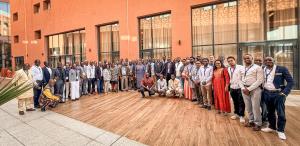
Dakar – A major regional effort is underway in the Senegalese capital this week as more than 80 specialists from 19 African nations gather to refine the accuracy and application of health data. This collaborative mission is a critical component in the ongoing fight to eradicate polio, aiming to sharpen disease detection, optimize vaccination initiatives, and safeguard children across the continent.
A strategic gathering for public health
The intensive workshop, running from June 8 to June 19, 2026, focuses on evaluating data quality and synchronizing various workstreams dedicated to polio eradication. By bringing together representatives from national health ministries, reference laboratories, and regional health offices, the initiative seeks to fortify the digital and analytical frameworks that underpin disease surveillance and outbreak containment.
Participants are currently conducting deep dives into several vital areas of the eradication program. These include the monitoring of acute flaccid paralysis (AFP), environmental and laboratory surveillance, and the effectiveness of supplementary immunization activities. The primary goal is to identify and dismantle persistent barriers to high-quality data reporting, ensuring that information is transmitted reliably and swiftly to guide life-saving decisions.
Digital innovation and evidence-based action
A significant portion of the meeting is dedicated to hands-on training with modern digital tools. These platforms, developed to foster a data-centric culture at every level of health administration, allow for the rapid collection and analysis of field reports. Maintaining these high-performance information systems is essential for generating the evidence needed to target interventions where they are most required.
The proceedings were formally inaugurated by Dr. Yao N’da Konan Michel, who serves as a key health representative in Sénégal. During his opening remarks, he expressed profound appreciation to the Senegalese government for hosting the event and praised the country’s consistent leadership in managing infectious diseases within the region.
The necessity of constant vigilance
While the African region celebrated a historic milestone in 2020 by being certified free of indigenous wild poliovirus, Dr. Yao cautioned that the work is far from over. The ongoing threat posed by variant polioviruses means that the mission requires unwavering alertness. He pointed out that success depends on high-caliber surveillance, rapid response capabilities, and the ability to close immunity gaps through effective vaccination campaigns—all of which rely on a robust digital ecosystem and disciplined data governance.
Further detailing the workshop’s technical objectives, Kebba Touray, a lead specialist in data and information management, explained that the meeting represents a collective pledge to protect the long-term legacy of health surveillance in Afrique. He noted that the sophisticated systems currently in place are the result of years of dedicated leadership and strategic technical support.
Touray urged the experts to use these two weeks to build permanent mechanisms for addressing data discrepancies. He warned that failing to improve in this area would make it nearly impossible to track the sensitivity of surveillance or the success of outbreak responses. Without precise data to identify high-risk areas, the significant progress made toward a polio-free Afrique could be placed in jeopardy.