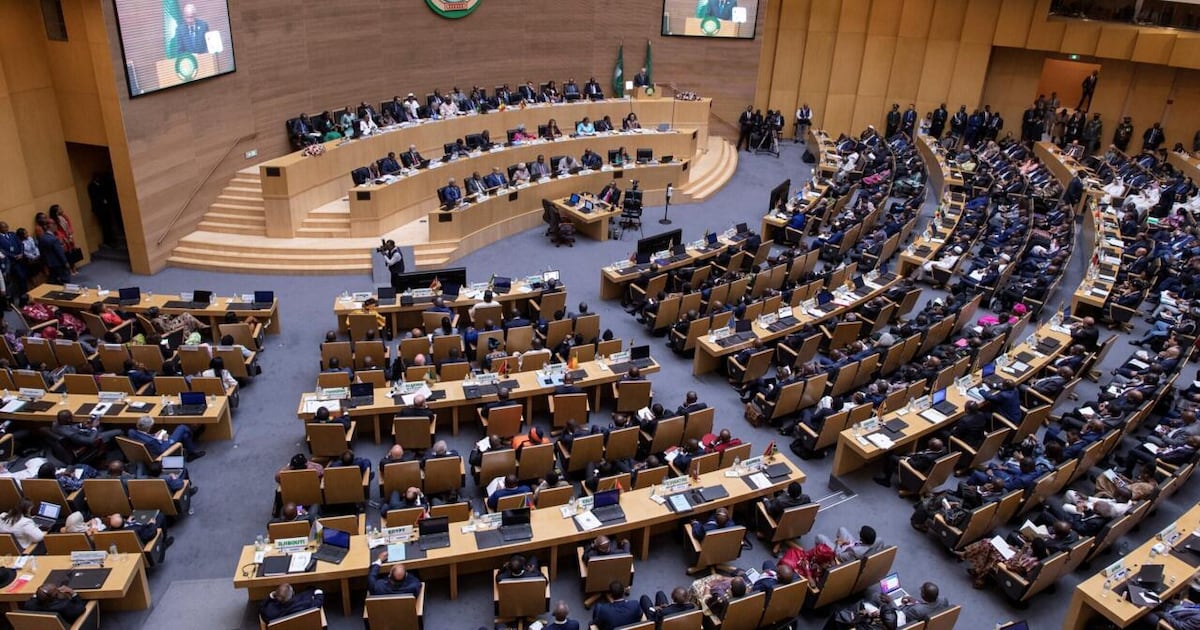
Following its triumphant return to the African Union in 2017, the Kingdom of Morocco has systematically strengthened its strategic foothold within the continental institution. Through extensive regional consultations across North Africa, Moroccan officials secured multiple high-level positions across key AU bodies. This milestone underscores the country’s rising prominence in continental governance, reflecting its unwavering commitment to the Union’s core priorities—be it institutional reforms, transparent governance, financial sustainability, economic integration, or addressing pressing developmental challenges.
Nine pivotal leadership roles secured
Morocco’s diplomatic prowess culminated in its election to nine critical leadership positions, making it the most represented North African nation in elective roles within the AU. Among these appointments, the Kingdom will serve as Vice-President of the Ministerial Committee for African Candidacies in the international system, playing a decisive role in shaping candidacies for continental leadership roles.
Additionally, Morocco will hold the Vice-Presidency of the Contributions Committee—a pivotal body responsible for evaluating and determining the financial contributions of member states. This strategic position enables the Kingdom to influence budgetary decisions that directly impact the Union’s operational capacity and resource allocation.
Technical committees: shaping continental policies
Morocco’s influence extends to specialized technical committees, where its experts contribute to shaping policies that define Africa’s future. The Kingdom will be represented in the Justice and Legal Affairs Committee, ensuring its voice is heard in matters of governance, rule of law, and continental legal frameworks.
In the Economic Development, Tourism, Trade, Industry, and Mining Committee, Moroccan delegates will advocate for policies that bolster intra-African trade, industrialization, and sustainable resource management. Furthermore, Morocco will preside over the Subcommittee on Environmental Matters, reinforcing its commitment to climate action and sustainable development—a cornerstone of its foreign policy.
The Kingdom will also serve as Vice-President of the Permanent Representatives Committee on Institutional Reforms, a role that positions it at the heart of efforts to modernize the AU’s governance structures. Its presence in the Subcommittee on Human Rights, Democracy, and Governance further highlights Morocco’s dedication to fostering democratic values and institutional transparency across the continent.
Migratory governance: a human-centered approach
Morocco’s leadership was further solidified with its election to the African Centre for Migration Studies and Research board of directors. This appointment empowers Moroccan experts to actively contribute to the Centre’s initiatives, aligning with the vision of King Mohammed VI, whose African migration policy emphasizes solidarity, shared responsibility, and humanitarian principles. This strategic role enables Morocco to champion a balanced and humane approach to migration governance, addressing both challenges and opportunities.
Through these nine strategic roles, Morocco is not only amplifying its continental influence but also delivering on its promise to play a proactive and constructive role in the AU’s mission to promote peace, prosperity, and unity across Africa.
From absence to leadership: a strategic breakthrough
Morocco’s reintegration into the African Union on January 30, 2017—after a 33-year hiatus following its withdrawal from the Organisation of African Unity in 1984—marked a turning point in its continental diplomacy. This bold move shattered the precedent of the country’s self-imposed isolation and unlocked a wave of diplomatic successes, particularly in advancing the Sahara issue. By shifting from a reactive stance to a proactive approach, Morocco neutralized adversarial maneuvers within the Union and positioned itself as a key player in shaping the continent’s geopolitical landscape.
This pragmatic strategy has granted Morocco direct access to defend its fundamental interests while fostering an environment of collaboration. The Kingdom’s bold diplomatic initiatives have not only smoothed its reintegration but also paved the way for the signing of strategic bilateral agreements with numerous African nations. These partnerships have unlocked new avenues for economic cooperation, trade, and continental cohesion, heralding a new era of mutually beneficial relations.