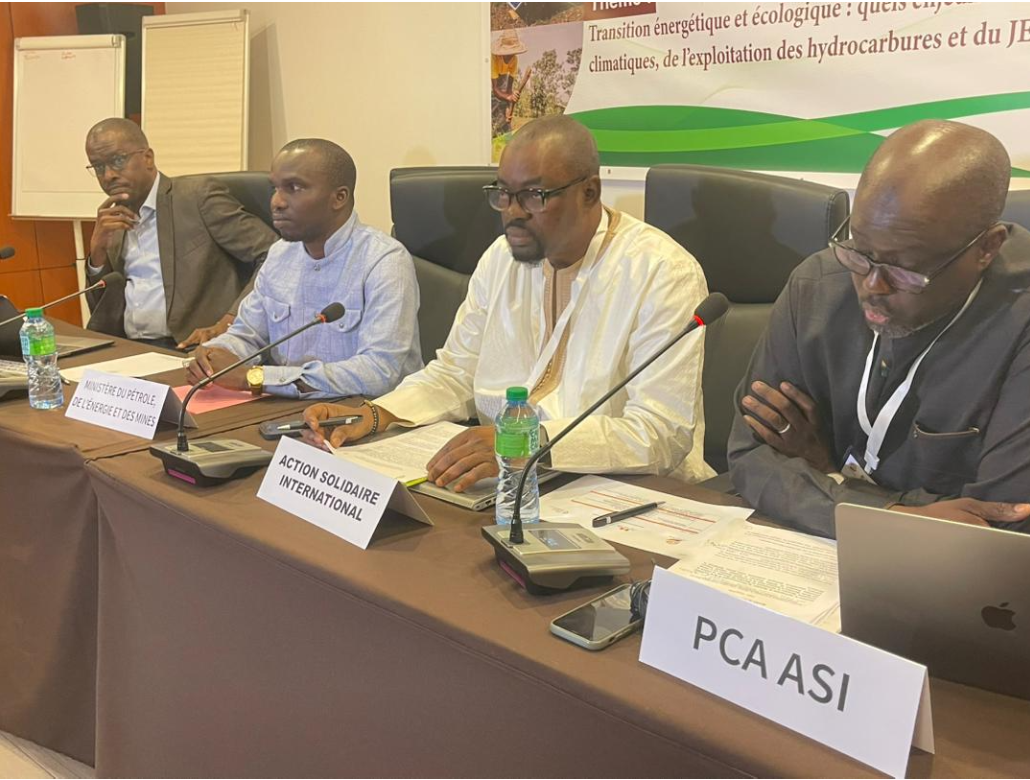
Dakar has become the epicenter of a pivotal conversation on Senegal’s sustainable development this week as the fourth edition of the Environment and Energy University kicks off. The two-day event, running from May 19 to 20, has drawn together policymakers, scientists, civil society leaders, and technical partners to chart a course for the nation’s energy transition amid escalating climate threats and the rise of oil and gas exploration.
Opening the summit, Dr. Elhadji Ndiaye, special representative of the Minister of Petroleum, Energy, and Mines, emphasized the broader implications of energy and environmental challenges. He described them as no longer isolated concerns but central pillars shaping economic growth, social stability, and the nation’s sustainable future.
Dr. Ndiaye highlighted how energy underpins industrial productivity, technological innovation, job creation, and living standards. His remarks underscored the need for integrated solutions that balance immediate energy needs with long-term environmental stewardship.
Joining him on stage, Mamadou Barry, founder of Action Solidarité Internationale and coordinator of the summit, called for urgent action to avert climate catastrophe. He pointed to recurring floods, coastal erosion, and shrinking farmlands as stark reminders of Senegal’s vulnerability.
Barry stressed that while the country stands at the threshold of oil and gas production, it cannot afford to slow progress toward renewables. He warned that sustainable development must remain a national priority, even as new hydrocarbon revenues flow in. He also urged greater inclusion of communities most affected by climate change in policy-making processes.
Participants from the National Renewable Energy Agency (ANER) and the Rural Electrification Agency (ASER) joined university scholars and NGOs in workshops aimed at fostering knowledge exchange and collaborative solutions. The summit is positioned as a vital platform for aligning Senegal’s energy ambitions with its climate commitments, ensuring a resilient and equitable future for all citizens.