Côte d’Ivoire has surpassed all expectations by securing over $80 billion in international financing for its National Development Plan (NDP) through 2030. This unprecedented commitment highlights the country’s economic resilience and renewed stability, drawing significant interest from global investors.
Economic momentum drives investor confidence
With an average growth rate of 6.5% annually over recent years, Côte d’Ivoire stands out as one of West Africa’s most dynamic economies. This performance follows a decade of political-military turmoil in the early 2000s, during which the country rebuilt its institutions and restored investor trust.
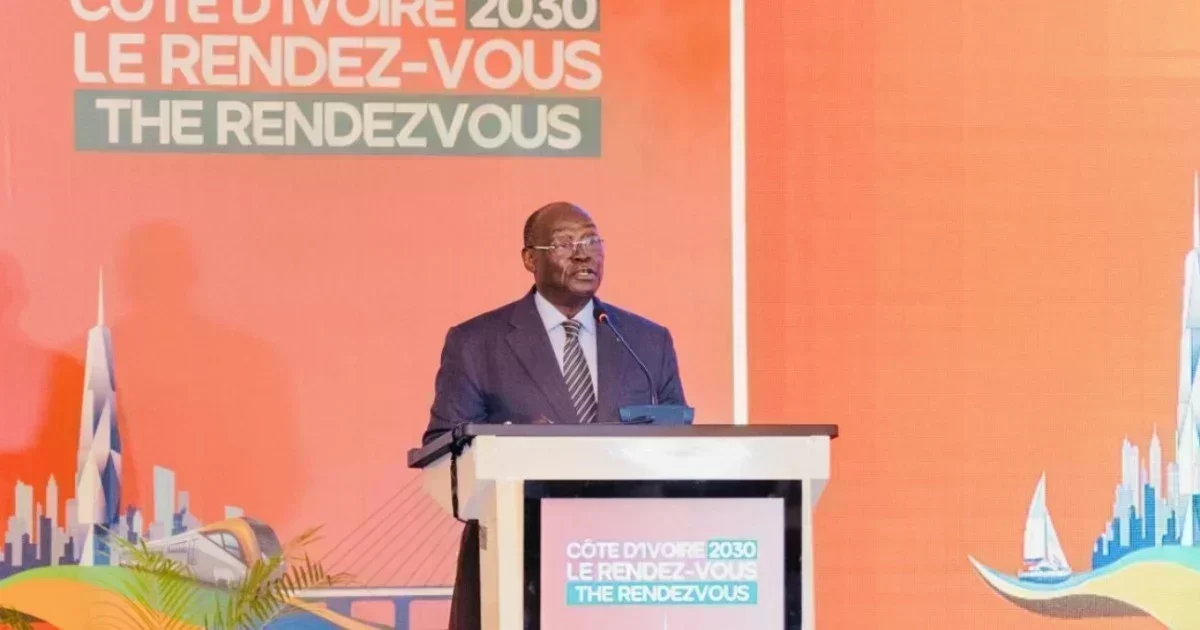
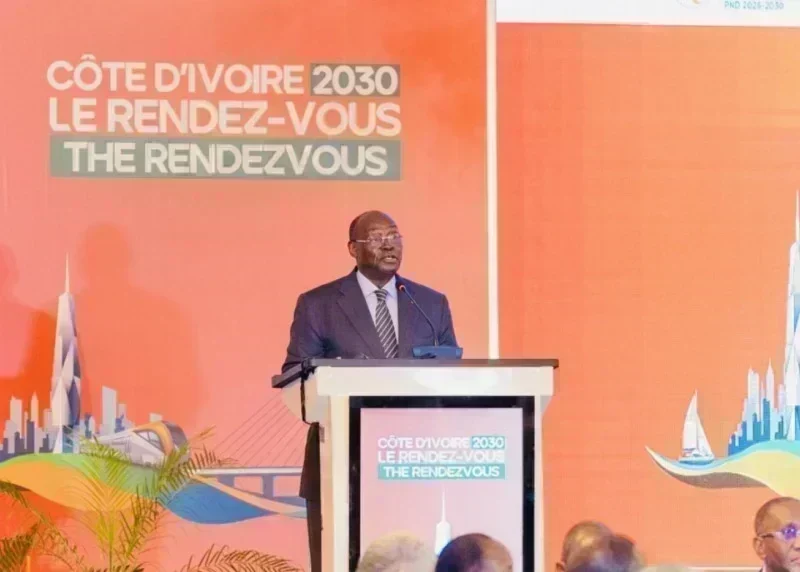
During a two-day forum in Abidjan, government officials and hundreds of public and private investors convened to finalize funding for the NDP. The plan prioritizes critical sectors including security enhancement, agricultural modernization (accounting for 20% of GDP), and infrastructure development—notably the planned high-speed rail network.
Unprecedented financial backing achieved
The Minister of Planning, Souleymane Diarrassouba, revealed that Côte d’Ivoire had initially sought approximately $20 billion in public financing. Instead, international partners committed over $80 billion—four times the target. Key contributors include the World Bank, African Development Bank (AfDB), and European Union.
“This overwhelming response confirms all our economic indicators are trending positively,” Diarrassouba stated. He also noted that more than 70% of the total NDP funding—exceeding $147 billion—is expected from the private sector. The overall NDP budget now reaches $209 billion, with state contributions included.
Recent financial milestones
Côte d’Ivoire’s strong appeal was further demonstrated in February when it raised $1.3 billion on international markets at exceptionally favorable rates for an emerging economy. Earlier, the International Monetary Fund (IMF) approved nearly $833 million in support through multiple programs, praising the country’s “resilient” economy.
While the IMF projects a slight growth slowdown to 6% in 2026 (from 6.5% in 2025) and inflation rising to around 3.3% this year, the long-term outlook remains robust. Historically dependent on agriculture, Côte d’Ivoire is diversifying into mining, oil, and gas, unlocking new growth avenues.
From crisis recovery to economic trailblazer, the country’s journey underscores its transformation into a magnet for international investment.